
Have you ever wondered if that wooden bowl you own is truly an antique? Knowing how to tell if a wooden bowl is antique can save you time, money, and even uncover a hidden treasure.
You might be surprised at how small details reveal a bowl’s real age and history. You’ll learn simple, clear steps to help you spot the difference between a modern piece and a genuine antique. Keep reading, and you could soon impress your friends with your expert eye for timeless wooden bowls.
Credit: willowvalewoodturning.weebly.com
Signs Of Authentic Age
Signs of authentic age help you spot a true antique wooden bowl. These signs show the bowl’s history and use over many years. They tell a story that new bowls cannot share.
Careful observation of a bowl’s surface, texture, and details reveals its age. Real antiques carry marks time has left behind. These marks make each bowl unique and valuable.
Natural Patina And Wear
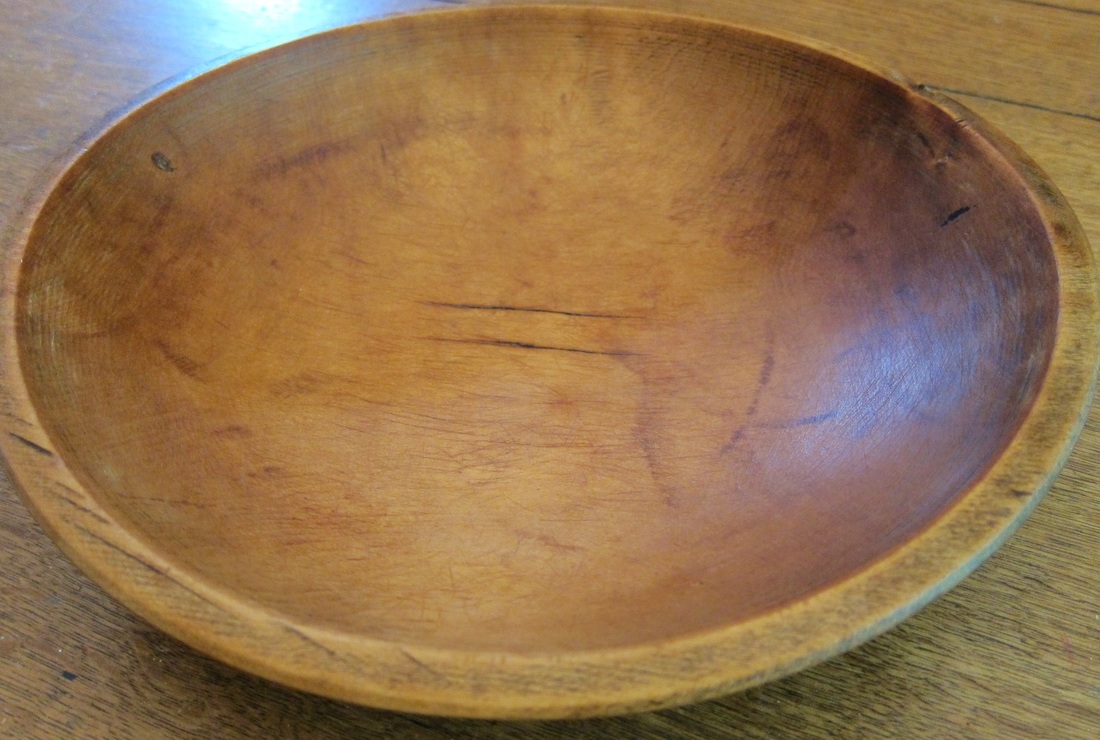
Natural patina forms over years of use and exposure. It appears as a soft, warm glow on the wood surface. This shine is hard to fake and adds character.
Wear shows in places touched often, like edges and inside curves. Look for smooth spots where hands or utensils rubbed the wood. These worn areas feel different from untouched parts.
Wood Grain And Texture
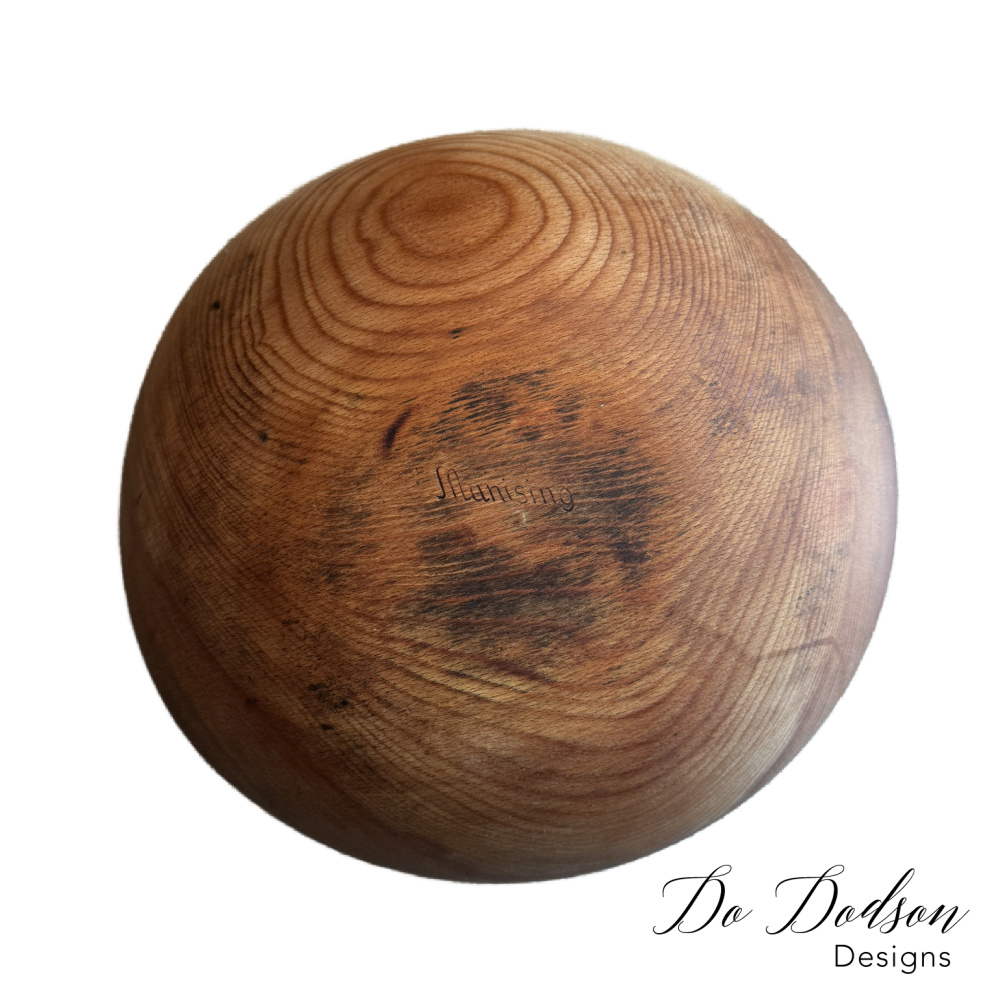
Older wood shows tight, well-defined grain patterns. The texture feels uneven and slightly rough in some spots. This happens as wood ages and dries naturally.
Newer bowls often have uniform grain and smooth surfaces. Antique bowls may also have small cracks or checks. These tiny splits happen over long periods.
Tool Marks And Craftsmanship
Handmade bowls often show subtle tool marks left by carving tools. These marks are uneven and irregular. Machine-made bowls have smooth, consistent surfaces instead.
Look closely at the edges and inside of the bowl. Fine craftsmanship means careful shaping and attention to detail. Tool marks reveal the maker’s hand and the bowl’s age.
Credit: www.antiquers.com
Common Wood Types In Antique Bowls
Antique wooden bowls come from many types of wood. Knowing the common wood types helps spot real antiques. Wood type affects the bowl’s look, feel, and age signs. Understanding these woods gives clues about a bowl’s history and value.
Hardwoods Vs Softwoods
Hardwoods are dense and heavy. They often last longer and show fine grain patterns. Common hardwoods for antique bowls include oak, walnut, and cherry. These woods age well and develop a rich patina over time.
Softwoods are lighter and less dense. Pine and cedar are softwoods sometimes used in bowls. They tend to wear faster and may show more dents or scratches. Softwoods often have a simpler grain and lighter color.
Regional Wood Varieties
Wood types differ by region where the bowl was made. In North America, maple and hickory are popular hardwoods. European antique bowls often use beech or ash wood. Tropical regions might have bowls made from mahogany or teak.
Knowing regional woods helps trace a bowl’s origin. It also helps check if the wood matches the bowl’s claimed age. Regional wood varieties add another layer of proof for antiques.
Examining Construction Techniques
Examining the construction techniques of a wooden bowl reveals clues about its age. Antique bowls often show signs of handcrafting. The methods used in carving, joining, and finishing help identify the period it was made. These details distinguish older bowls from modern ones.
Hand-carved Features
Antique wooden bowls often have hand-carved marks. Look for uneven cuts and small tool marks. These imperfections show the bowl was carved by hand, not machine. The edges might be irregular and less smooth than modern bowls. Hand carving gives each bowl a unique character.
Joinery And Assembly
Older wooden bowls may use traditional joinery methods. Check if the bowl is made from multiple pieces joined together. Look for wooden pegs or dowels instead of metal nails or screws. The join lines might not be perfectly even. These signs show older, manual assembly techniques.
Finish And Coating
Antique bowls often have natural finishes. The coating may look worn or uneven. It might be made from oils or waxes, not modern varnishes or plastics. A dull, matte finish is common in older pieces. The finish helps protect the wood but shows signs of age over time.
Identifying Signs Of Restoration
Restoration can change the look and value of a wooden bowl. Antique bowls may have repairs or refinishing that affect their originality. Identifying signs of restoration helps to understand a bowl’s true age and history. It also helps collectors and buyers make informed decisions.
Modern Repairs To Watch For
New glue or filler often stands out on old wood. Check for uneven color or texture in cracks and joints. Plastic or synthetic materials used to fix chips or holes may look different from the wood. Nails or screws that look too shiny or new can indicate recent repairs. Modern repairs can be neat but may not match the original craftsmanship.
Detecting Refinished Surfaces
Refinishing changes the bowl’s surface and shine. Look for areas that appear smoother or shinier than others. A fresh finish often hides natural wear like small scratches or dents. Check edges and bottoms carefully; these spots usually show wear if original. Strong smells of varnish or polish might mean recent refinishing. Uneven color or a plastic-like feel can also signal a new surface.
Using Tools To Verify Authenticity
Using tools to verify the authenticity of a wooden bowl helps reveal its true age. Tools can show details that the naked eye may miss. They offer a closer look at the bowl’s surface, texture, and material. This step is important to confirm if the bowl is genuinely antique or a newer piece made to look old.
Magnification And Uv Light
Magnification lets you see fine details on the wood. Use a magnifying glass or jeweler’s loupe to examine the grain and tool marks. Genuine antique bowls often show uneven cuts and signs of hand carving. Modern bowls usually have smooth, machine-made surfaces.
UV light reveals repairs or finishes. Shine a UV lamp on the bowl in a dark room. Old finishes glow differently than modern varnishes. Any bright spots may indicate recent repairs or added coatings. This helps spot if the bowl has been altered or restored.
Carbon Dating And Scientific Methods
Carbon dating measures the age of the wood by detecting radioactive carbon. It can give an estimate of when the tree was cut down. This method is precise but can be costly and needs a small sample of the wood.
Other scientific tests check for chemical composition and aging patterns. Experts use microscopes and spectrometers to study the wood fibers. These tests confirm if the bowl matches the claimed time period. Scientific methods provide strong proof of authenticity beyond visual inspection.
Credit: www.dododsondesigns.com
Consulting Experts And Resources
Knowing if a wooden bowl is antique can be tricky. Experts and trusted resources help make this easier. They provide reliable information based on experience and research. Using these sources can save time and avoid mistakes. Here are two key ways to get expert help.
Appraisers And Antique Dealers
Appraisers have years of training in identifying antiques. They examine the wood, design, and craftsmanship closely. Antique dealers also have deep knowledge about old wooden bowls. They spot signs of age and authenticity quickly. Visiting a local dealer or hiring an appraiser brings real insights. Their opinion helps confirm if a bowl is genuinely old.
Reference Books And Online Databases
Books about antique wooden items offer detailed information. They show photos, styles, and history of wooden bowls. Many libraries and stores have these reference guides. Online databases provide large collections of antique images and descriptions. These tools make it easy to compare your bowl with known antiques. Use trusted websites to avoid wrong information.
Common Mistakes To Avoid
Knowing if a wooden bowl is truly antique can be tricky. Many people make common mistakes that lead to wrong conclusions. These errors can cost you money or cause you to miss a real treasure. Avoiding these mistakes helps you spot genuine antiques with confidence.
Confusing Age With Style
Not all old-looking bowls are antique. Some newer bowls mimic old styles. Just because a bowl looks vintage does not mean it is old. Styles can be copied easily. Check the wood, craftsmanship, and wear carefully. These details reveal the true age more than style alone.
Overlooking Provenance
Provenance means the history of the bowl’s ownership. Skipping this step leads to many errors. Knowing where the bowl came from adds proof of its age. Ask sellers for any documentation or stories about the bowl. This information helps confirm if the bowl is antique or not.
Frequently Asked Questions
How Can I Identify An Antique Wooden Bowl?
Look for signs of wear and age like cracks, darkened wood, and uneven surfaces. Antique bowls often show hand-carving marks and unique shapes.
What Type Of Wood Is Common In Antique Bowls?
Older bowls are usually made from hardwood like maple, walnut, or cherry. These woods age well and develop a rich color over time.
Does The Finish Help Determine If A Bowl Is Antique?
Yes, antique bowls often have natural or oil finishes, not modern glossy paints. The finish may appear worn or faded from years of use.
Can Maker’s Marks Confirm If A Wooden Bowl Is Antique?
Sometimes. Hand-carved bowls might have a maker’s mark or initials. Lack of marks does not always mean it isn’t antique.
How Does The Bowl’s Weight Relate To Its Age?
Antique wooden bowls tend to be heavier due to dense, solid wood. Lighter bowls might be newer or made from soft wood.
Conclusion
Antique wooden bowls tell stories through their wear and craft. Check the wood’s texture, marks, and color for clues. Older bowls often have signs of hand carving. Look for natural aging, like slight cracks or smooth edges. These details show the bowl’s history and age.
Trust your eyes and touch to spot real antiques. Each bowl has a unique charm that new ones lack. Use these tips to feel confident in your search. Enjoy discovering pieces that hold time and tradition.