
If you’re working with pressure treated wood, you know that waiting for it to dry can be frustrating. Wet wood slows down your projects and can even cause problems like warping or uneven staining.
But what if you could speed up the drying process and get your wood ready to use faster? You’ll discover simple, effective ways to dry your pressure treated wood quickly and safely. Whether you’re building a deck, fence, or furniture, these tips will save you time and help you achieve better results.
Keep reading to find out how to take control of your wood’s drying time and get your project moving ahead without delays.
Factors Affecting Drying Time
Drying pressure-treated wood quickly depends on several key factors. These factors control how fast moisture leaves the wood. Understanding these helps speed up drying. It also ensures the wood stays strong and lasts longer.
Wood Thickness And Density
Thicker wood takes longer to dry than thinner wood. Dense wood holds more water inside. Water moves slowly through dense wood fibers. Thin and less dense wood dries faster because water escapes quickly.
Moisture Content Levels
Wood starts with different moisture levels. Freshly treated wood has high moisture. The higher the moisture, the longer the drying time. Dry wood has less water and dries faster.
Environmental Conditions
Warm air speeds up drying by helping water evaporate. Good air flow removes moisture from the wood surface. Low humidity means the air can hold more water. Cold, wet, or still air slows the drying process.
Type Of Treatment Used
Different treatments add various chemicals and moisture. Some treatments add more water to the wood. Others use oils that slow drying. Treatment type affects how fast the wood loses moisture.
Preparing Wood For Faster Drying
Preparing wood properly speeds up drying and keeps it strong. Pressure treated wood holds moisture from treatment. Drying it faster avoids warping and decay. Simple steps before drying make a big difference.
Proper Storage Techniques
Store wood off the ground on a flat surface. Use pallets or blocks to lift wood. This prevents moisture from the soil. Keep wood in a shaded area with good air flow. Avoid stacking wood tightly to stop trapping moisture. Spread pieces out evenly for better drying.
Using Stickers For Airflow
Place thin strips of wood called stickers between layers. Stickers create space for air to move freely. This helps moisture escape from all sides. Use stickers that are dry and clean. Space them evenly along the length of the wood. This method improves drying speed and wood quality.
Avoiding Direct Sun Damage
Direct sunlight can dry wood too fast. Fast drying causes cracks and splits. Keep wood in a shaded spot or cover it lightly. Use breathable covers like canvas, not plastic. This protects wood but allows moisture to escape. Balance sun exposure to dry wood safely and steadily.
Tools And Methods To Speed Up Drying
Drying pressure treated wood can take time. Using the right tools and methods speeds the process. These options help remove moisture faster. They keep your wood strong and ready to use sooner.
Dehumidifiers And Fans
Dehumidifiers pull moisture out of the air around the wood. This lowers humidity and helps wood dry quickly. Fans create air movement. Moving air carries away moisture from the wood surface. Combining both tools works well for indoor drying.
Using Kiln Drying
Kiln drying uses controlled heat and airflow inside a chamber. This method removes water evenly and quickly. It prevents cracking and warping. Kiln drying is common in professional wood processing. It gives precise control over temperature and humidity.
Applying Heat Lamps Safely
Heat lamps add warmth directly to the wood surface. This speeds water evaporation. Keep lamps at a safe distance to avoid burning the wood. Use lamps with adjustable settings. Monitor the wood often to prevent damage.
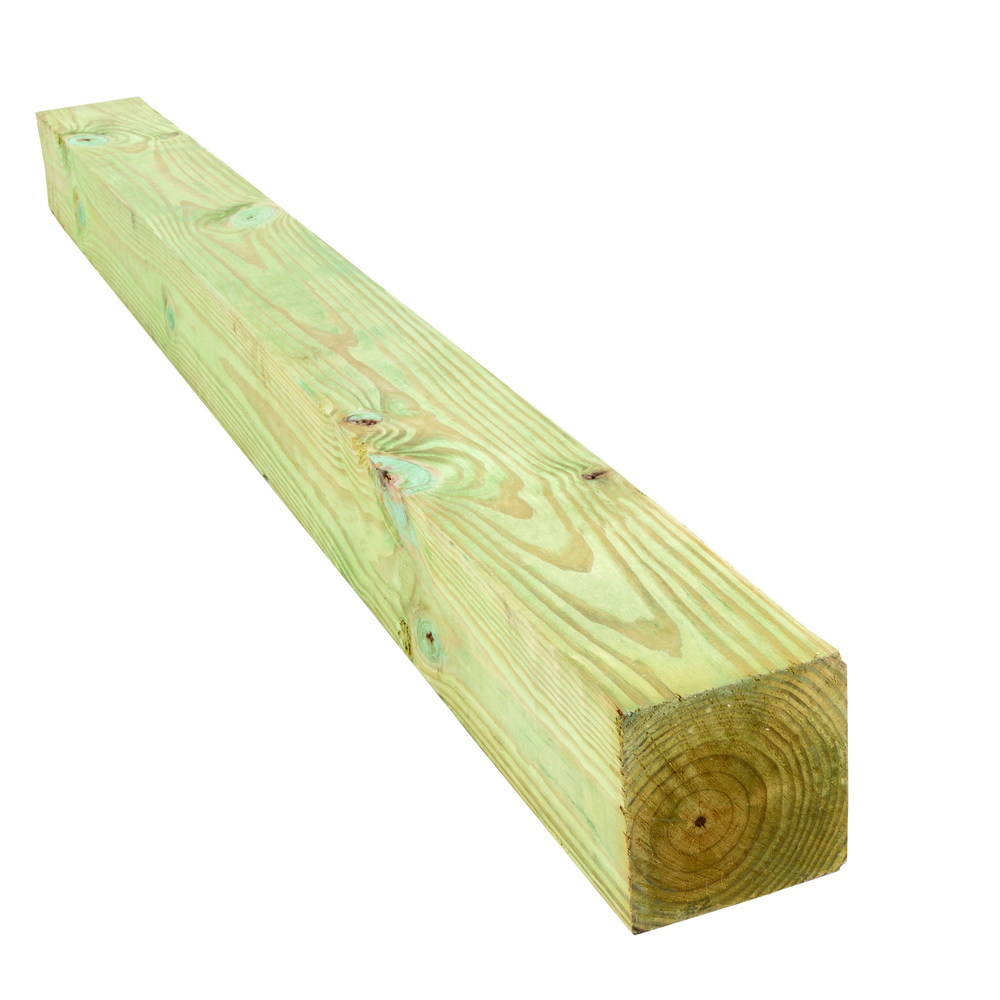
Credit: www.menards.com
Maintenance Tips During Drying
Keeping pressure treated wood dry and well-maintained during the drying process helps it last longer. Proper care stops damage and speeds up drying. Simple daily checks and small actions protect your wood and save time.
Regular Moisture Testing
Check the wood’s moisture level often. Use a moisture meter for quick, accurate readings. Dry wood has lower moisture percentages. Testing helps you know when the wood is ready to use. It also prevents using wood that is still too wet.
Rotating And Flipping Wood
Turn the wood pieces regularly. This exposes all sides to air and sun. Flipping wood prevents moisture from building up on one side. It also stops warping and mold growth. Rotate wood every few days for even drying.
Protecting Wood From Rain
Keep wood covered during rain or damp weather. Use tarps or waterproof covers but allow air to flow. Avoid letting water sit on the wood’s surface. Good protection stops extra moisture from soaking in. This keeps drying steady and prevents damage.
Common Mistakes To Avoid
Drying pressure treated wood takes time and care. Mistakes can slow the process or damage the wood. Avoiding common errors helps speed up drying and keeps wood strong.
Sealing Wood Too Early
Pressure treated wood needs time to dry before sealing. Sealing too soon traps moisture inside. This causes peeling, bubbling, and mold growth. Wait at least a few weeks after treatment. Check moisture levels with a meter. Only seal when the wood is dry.
Stacking Without Spacing
Stacking wood tightly blocks air flow. Moisture stays trapped between boards. Use spacers or stickers between each layer. This allows air to circulate evenly. Good ventilation speeds drying and prevents warping. Always stack wood in a dry, shaded place.
Ignoring Weather Forecasts
Weather affects drying time a lot. Rain or high humidity slows drying. Check the forecast before starting your project. Avoid stacking or sealing wood just before rain. Choose dry days with good air flow. Planning around weather helps wood dry faster.

Credit: www.casonaplazahoteles.com

Credit: flowyline.com
Frequently Asked Questions
How Long Does Pressure Treated Wood Take To Dry?
Pressure treated wood usually takes several weeks to dry fully. Drying time depends on wood thickness, weather, and ventilation. Warm, dry, and breezy conditions speed up drying.
What Are The Best Conditions To Dry Pressure Treated Wood?
Warm temperatures, low humidity, and good airflow help wood dry faster. Place wood in a sunny, well-ventilated area. Avoid stacking wood tightly to allow air circulation.
Can I Use A Fan To Dry Pressure Treated Wood Faster?
Yes, using a fan increases airflow and helps moisture evaporate. Position the fan to blow across the wood surface. This method reduces drying time by several days.
Should I Seal Pressure Treated Wood Before Drying?
No, sealing wood before drying traps moisture inside. Wait until wood feels dry to the touch before applying sealant or paint. Sealing too early may cause peeling or damage.
How To Check If Pressure Treated Wood Is Dry Enough?
Use a moisture meter to get an accurate reading of moisture content. Wood is dry enough when moisture is below 15%. You can also check by weight; dry wood feels lighter.
Conclusion
Drying pressure treated wood faster saves time and effort. Use good airflow and sunlight to help moisture leave the wood. Avoid covering the wood tightly, or drying will slow down. Splitting or cracking can happen if wood dries too fast.
Check the wood often and keep it balanced. With the right steps, your wood will dry well and stay strong. Patience and care make all the difference in the process. Keep these tips in mind to finish your project on time.