
Have you ever started a woodworking project only to find the wood splitting as you drive in the screw? It’s frustrating, wastes your materials, and can ruin the look and strength of your work.
But what if you could stop this from happening every time? You’ll discover simple, proven tricks to keep your wood intact and secure when screwing. Whether you’re a beginner or have some experience, these tips will save you time, money, and headaches.
Ready to make your projects stronger and cleaner? Keep reading to learn how to prevent wood from splitting when screwing.
Choose The Right Screws
Choosing the right screws helps stop wood from splitting during screwing. Using the wrong screws can cause cracks or damage to wood. Picking screws made for wood keeps your project strong and neat. This section covers types of screws, size and length, plus coating and material.
Types Of Screws For Wood
Wood screws have sharp points and coarse threads to grip wood well. They pull pieces tightly without breaking the wood fibers. Deck screws resist rust and are good for outdoor wood. Drywall screws are not ideal because their threads don’t hold wood firmly.
Screw Size And Length
Use screws that fit the thickness of your wood. Too long screws can split wood or poke through. Too short screws won’t hold pieces together firmly. Pick screws about twice as long as the wood thickness for best hold.
Coating And Material Considerations
Coated screws resist rust and last longer, especially outside. Zinc-coated screws protect against moisture damage. Stainless steel screws offer strong rust resistance but cost more. Choose coated screws for any wood exposed to weather or moisture.
Prepare The Wood Surface
Preparing the wood surface is essential before driving screws. It reduces the risk of wood splitting and ensures a stronger hold. Taking the time to get the wood ready makes your project last longer and look better.
Check Wood Moisture Content
Wood with high moisture is softer and more likely to split. Use a moisture meter to check the wood before screwing. Aim for a moisture content between 6% and 12%. Dry wood holds screws better and stays strong.
Avoid Defects And Knots
Knots and defects weaken the wood structure. Avoid screwing near these areas to prevent cracks. Choose clear wood pieces without visible flaws. This step helps maintain the wood’s strength and stops splitting.
Smooth The Wood Surface
Rough surfaces cause uneven pressure and increase splitting chances. Sand the wood with fine-grit sandpaper before screwing. Smooth surfaces help screws go in easily and hold tight. This simple step improves the overall finish too.
Drill Pilot Holes
Drilling pilot holes is a key step to stop wood from splitting when screwing. It makes room for the screw and guides it in smoothly. This process lowers pressure on the wood. It helps screws go in straight without cracking the surface. Following simple tips ensures a clean, strong hold.
Selecting The Correct Drill Bit
Choose a drill bit that matches the screw’s core size. The pilot hole should be slightly smaller than the screw’s diameter. This gives the screw threads something to grip. Avoid bits that are too wide or too narrow. Too wide means weak hold. Too narrow risks wood splitting.
Drilling Depth And Angle
Drill the pilot hole to the full length of the screw. This prevents the screw from pushing the wood apart. Hold the drill straight to keep the hole aligned. Angled holes cause screws to enter unevenly. This can crack the wood or make the screw loose.
Using Countersink Bits
Countersink bits create a small recess at the hole’s top. This allows the screw head to sit flush with the wood. It stops the wood surface from bulging or splitting. Using these bits gives your project a neat, professional look. It also protects the wood from damage.
Use Proper Screwing Techniques
Using the right screwing techniques helps protect wood from splitting. Screwing too fast or with too much force can crack the wood. Proper methods make your project stronger and cleaner.
Apply Steady Pressure
Press the screwdriver or drill firmly but gently. Too little pressure lets the screw slip, causing damage. Too much pressure can crack the wood. Keep a steady hand to guide the screw smoothly into the wood.
Control Screw Speed
Use a slow speed to start the screw. Fast speeds can heat the wood and cause splits. Slow speed lets the screw bite without forcing the wood apart. Increase speed only after the screw is set securely.
Avoid Over-tightening
Stop tightening as soon as the screw feels secure. Over-tightening can crush wood fibers and cause splitting. Tighten screws just enough to hold the pieces firmly. This keeps the wood strong and intact.
Consider Wood Type And Grain
Choosing the right wood type and understanding its grain is key to preventing splits. Different woods behave in unique ways when screws are driven into them. Knowing these differences helps you avoid damage and keeps your project strong.
Hardwood Vs Softwood
Hardwood comes from trees like oak and maple. It is dense and strong. Screws can cause splitting if forced without care. Softwood comes from trees like pine and cedar. It is lighter and easier to work with. Softwood may split more easily if screws are too close to edges.
Grain Direction Impact
Wood grain runs along the length of the board. Screwing along the grain reduces splitting risk. Screwing across the grain puts more stress on the wood. This can cause cracks or splits. Always try to place screws parallel to the grain.
Seasoned Vs Green Wood
Seasoned wood is dried and stable. It resists splitting better than green wood. Green wood holds more moisture. It is softer and more prone to splitting. Use seasoned wood for projects needing strength and durability.

Credit: www.youtube.com
Apply Lubricants Or Wax
Applying lubricants or wax to screws before driving them into wood helps reduce friction. This simple step lowers the chance of wood splitting. It makes screwing easier and protects the wood fibers around the hole. Many woodworkers use this trick for smoother, cleaner results.
Benefits Of Lubrication
Lubrication cuts down the force needed to turn the screw. Less force means less stress on the wood. It helps the screw slide in smoothly. This prevents cracks and splits. Lubricants also reduce heat caused by friction. Heat can damage the wood and weaken the screw hold.
Suitable Lubricants For Screws
Common lubricants include wax, soap, and oil. Beeswax or paraffin wax works well. It is natural and easy to apply. Bar soap is another good choice. Rubbing the screw on a soap bar coats it evenly. Light machine oil or silicone spray also helps. Avoid thick grease; it can attract dirt.
Application Methods
Rub the screw threads directly on wax or soap bars. Ensure an even coating on all threads. For oil or spray, use a cloth or brush. Apply a thin layer to avoid mess. Let the lubricant dry slightly before screwing. This ensures it stays in place during insertion.
Alternative Fastening Methods
Using screws is common for joining wood, but it can cause splitting. Alternative fastening methods reduce this risk and offer strong holds. These techniques help keep wood intact and improve project durability.
Using Nails Or Dowels
Nails create less pressure than screws. They slide into wood fibers without forcing them apart. Dowels fit into drilled holes and connect pieces tightly. Both options avoid the sharp force that splits wood.
Wood Glue Reinforcement
Wood glue strengthens joints without any holes. Apply glue to surfaces before pressing them together. It dries hard and holds wood firmly. Glue works well with clamps for a solid bond.
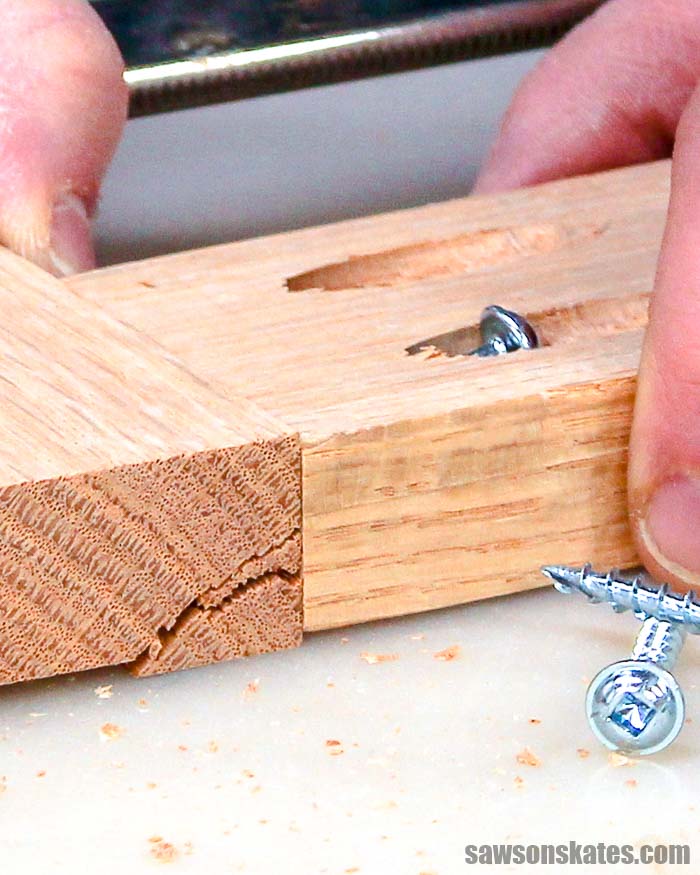
Pocket Hole Joinery
Pocket hole joinery uses angled holes for screws. This method keeps screws away from wood edges. It lowers the chance of splitting and hides screw heads. It creates strong, clean joints for many projects.

Credit: www.fastbuildsupplies.co.uk
Credit: sawsonskates.com
Frequently Asked Questions
How Can I Stop Wood From Splitting When Driving Screws?
Pre-drill holes smaller than the screw’s diameter to reduce wood stress. Use sharp, good-quality screws for smooth entry. Drive screws slowly and steadily to avoid sudden splits.
What Type Of Drill Bit Prevents Wood Splitting?
Use a drill bit slightly smaller than the screw’s core diameter. A brad point bit works well for clean, precise holes. This method lets screws enter easily without cracking the wood.
Should I Use Pilot Holes For All Wood Types?
Softwoods sometimes need pilot holes, but hardwoods almost always do. Pilot holes reduce the chance of splitting by giving screws a guide path. It’s a simple step that protects wood integrity.
Can Lubrication Help Prevent Wood From Splitting?
Yes, applying wax or soap on screws lowers friction during insertion. This reduces pressure on the wood and helps prevent cracks. It also makes driving screws easier and faster.
What Screw Size Is Best To Avoid Wood Splitting?
Choose screws that match the wood thickness and project slightly beyond. Avoid screws that are too long or thick for the wood piece. Proper size helps maintain wood strength and prevents splitting.
Conclusion
Prevent wood from splitting by drilling a pilot hole first. Use the right screw size and avoid forcing screws too hard. Choose screws designed for wood to reduce damage. Softening the wood with water can help in some cases. Take your time and work carefully to protect the wood.
These simple steps keep your project strong and clean. Splitting wood can ruin your work, but you can stop it. Follow these tips to make your screwing smooth and safe. Your wood will stay intact and look great.