
Do you have laminate furniture that looks plain or outdated? What if you could transform it into beautiful, rich wood without buying new pieces?
Learning how to oil paint laminate furniture to look like wood is easier than you think. With a few simple steps, you can give your furniture a fresh, natural finish that catches the eye and adds warmth to any room.
Keep reading, and you’ll discover the secrets to making your laminate pieces look like real wood, saving you money and boosting your home’s style. Ready to impress yourself and your guests? Let’s get started!
Preparing Laminate Furniture
Preparing laminate furniture for oil painting is a key step. It ensures the paint sticks well and looks natural. Good preparation can make your furniture look like real wood. Follow each step carefully for the best results.
Cleaning The Surface
Start by cleaning the laminate surface thoroughly. Use a mild detergent and warm water. Remove all dirt, grease, and dust. Rinse with clean water and dry completely. A clean surface helps the paint to hold better.
Sanding Techniques
Lightly sand the laminate using fine-grit sandpaper. This roughens the glossy surface slightly. Sand in a circular motion to avoid scratches. Wipe away the dust with a damp cloth. Sanding improves paint adhesion and creates a smooth base.
Priming For Paint Adhesion
Apply a quality primer made for laminate surfaces. Use a brush or roller for an even coat. Let the primer dry as per the instructions. Priming seals the surface and helps the paint stick. It prevents peeling and ensures a long-lasting finish.

Credit: www.blesserhouse.com
Choosing The Right Oil Paint
Choosing the right oil paint is key to making laminate furniture look like real wood. The right paint adds depth and texture. It helps the piece look natural and warm. Picking the wrong paint can make the surface look flat or fake. Understanding paint types, color choices, and tools helps create a wood-like finish.
Types Of Oil Paints
Oil paints come in various types. Some dry faster, while others take more time. Traditional oil paints offer rich color and smooth blending. Alkyd oil paints dry quicker and work well on laminate. Water-mixable oil paints are easier to clean up but keep the oil paint feel. Pick a paint that fits your project timeline and skill level.
Color Selection For Wood Look
Wood tones range from light to dark browns and even reds. Choose colors that mimic real wood like oak, walnut, or cherry. Start with a base color close to the wood tone you want. Use darker shades to add grain and texture. Avoid bright or unnatural colors. Earthy and warm tones work best for a wood effect.
Selecting The Right Brushes And Tools
Brush choice affects the finish. Use natural bristle brushes for smooth oil paint application. Flat brushes help cover large areas quickly. Smaller detail brushes create wood grain patterns. A sponge or rag helps blend and soften edges. Clean tools often for the best results. Good brushes make painting easier and improve the final look.
Creating A Wood Grain Effect
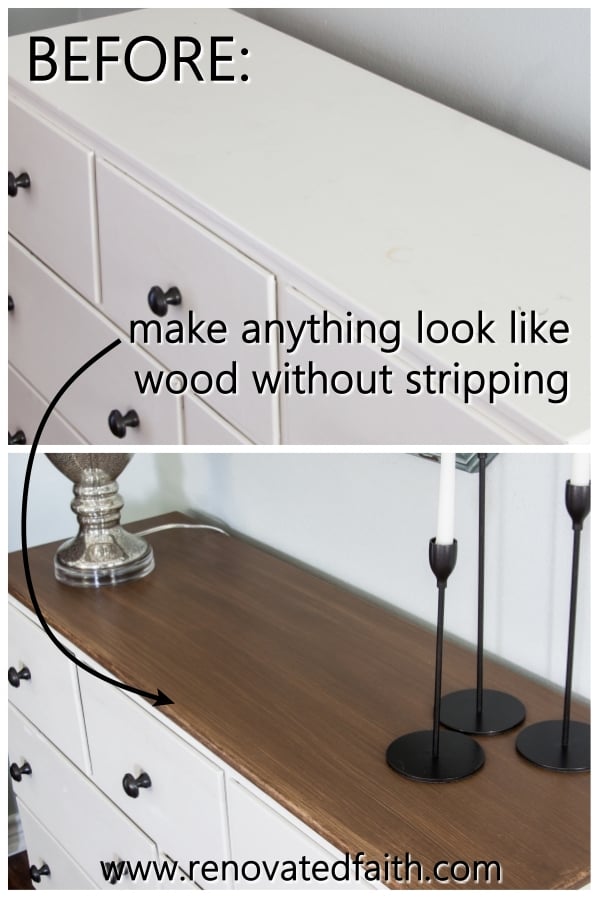
Creating a wood grain effect on laminate furniture transforms its look. It gives the piece a warm, natural feel. You can make your furniture look like real wood with the right steps. This process takes patience and care. The right base coat and techniques help achieve this effect. Tools designed for wood grain make the task easier.
Base Coat Application
Start with a smooth, clean surface. Apply a base coat that matches wood tones. Use a brush or roller for even coverage. Let the base coat dry completely. This layer acts as the wood’s background color. It sets the tone for the grain effect. Choose colors like beige, light brown, or tan. These shades create a natural wood look.
Techniques For Wood Grain Patterns
Use a dry brush to add grain lines. Lightly drag the brush over the base coat. Vary the pressure for a natural look. You can also use a comb or fine brush. Create long, wavy strokes mimicking real wood grain. Work in small sections to keep control. Blend the edges softly for smooth transitions. Keep the patterns random and uneven. This makes the grain more believable.
Using Wood Grain Tools
Wood grain tools help paint realistic patterns. They have comb-like teeth or rollers. Drag the tool across wet paint to form grain lines. Practice on paper first to get the feel. Use slow, steady movements for clear lines. Clean the tool between uses to avoid clumps. These tools save time and improve accuracy. They make your painted furniture look like real wood.
Credit: renovatedfaith.com
Finishing And Sealing
Finishing and sealing are key steps to make your painted laminate furniture look like real wood. This part protects your work. It also adds a smooth, shiny surface that feels nice to touch.
Skipping this step can cause the paint to chip or wear off quickly. Sealing keeps moisture out. It helps the furniture last longer and look good every day.
Applying Protective Topcoat
Choose a clear topcoat made for painted surfaces. Polyurethane or acrylic varnish works well. Use a brush or foam applicator. Apply thin, even layers. Let each layer dry before adding another. Two to three coats give the best protection. Avoid thick coats that can drip or bubble.
Drying And Curing Times
Allow the topcoat to dry completely. Dry time depends on the product and room conditions. Usually, it takes 2 to 4 hours between coats. After the last coat, curing can take up to a week. Do not use or move the furniture during this time. The finish needs time to harden fully.
Maintaining Painted Laminate Furniture
Clean gently with a soft, damp cloth. Avoid harsh chemicals or abrasive scrubbers. Place felt pads under items to stop scratches. Keep furniture away from direct sunlight and heat sources. Regular care keeps the finish looking fresh and wood-like for years.
Troubleshooting Common Issues
Painting laminate furniture to look like wood can sometimes cause problems. These issues can stop your project from looking perfect. Knowing how to fix them helps you get smooth, lasting results. This section covers common problems and easy solutions.
Peeling And Chipping Prevention
Peeling paint happens when the surface is not clean or dry. Always clean the furniture well before painting. Use light sanding to help the paint stick better. Apply a good primer made for laminate surfaces. Avoid thick layers of paint; thin coats dry better and last longer. Let each coat dry fully before applying the next one.
Fixing Uneven Texture
Uneven texture looks rough and can spoil the wood effect. Lightly sand the surface after the paint dries. Use fine-grit sandpaper for a smooth finish. Wipe off dust before adding more paint or oil. Apply paint in thin, even strokes. Use a soft brush or foam roller for best results.
Dealing With Paint Smudges
Paint smudges happen if the paint is still wet. Avoid touching the surface until it is dry. If smudges appear, wait for the paint to dry completely. Lightly sand the smudged area, then clean off dust. Repaint the area with thin layers. Patience helps to keep the finish neat and clean.

Credit: www.youtube.com
Frequently Asked Questions
How Do I Prepare Laminate Furniture For Oil Painting?
Clean the surface well to remove dirt and grease. Lightly sand the laminate to help the paint stick better. Wipe off dust before painting.
What Type Of Oil Paint Works Best On Laminate?
Choose a high-quality oil-based paint made for furniture. These paints dry hard and last longer on smooth surfaces. They give a realistic wood look.
Can Oil Paint Make Laminate Look Like Real Wood?
Yes, oil paint can mimic wood grain with the right technique. Use a wood grain tool or brush to add texture. Layering paint shades helps create depth.
How Long Should Oil Paint Dry On Laminate Furniture?
Oil paint usually takes 6 to 8 hours to dry to touch. Full curing can take up to a week. Keep the painted item in a dust-free place.
Should I Seal Oil-painted Laminate Furniture?
Sealing protects the paint and adds shine. Use a clear polyurethane or varnish suitable for oil paint. Apply thin coats and let each dry well.
Conclusion
Oil painting laminate furniture can give it a fresh, wooden look. The key is to prepare the surface well and use the right oil paint. Take your time and apply thin, even layers. Let each coat dry fully before adding the next.
This process will help your furniture look natural and warm. With patience, your piece will blend nicely with real wood items. Enjoy the new style and feel of your furniture. Simple steps can make a big difference in your home décor.