Are you worried about slipping on your wooden floor? Whether it’s in your kitchen, hallway, or living room, a slippery floor can be a real hazard for you and your family.
The good news is, making your wooden floor less slippery doesn’t have to be hard or expensive. You’ll discover simple and effective ways to improve the grip of your floor, keeping everyone safer without sacrificing style. Keep reading to learn easy tips that can make a big difference in your home’s safety today.
Causes Of Slippery Wooden Floors
Wooden floors can be slippery for several reasons. Understanding these causes helps to make floors safer. This section explains why wooden floors become slippery and what factors play a role.
Smooth Surface Issues
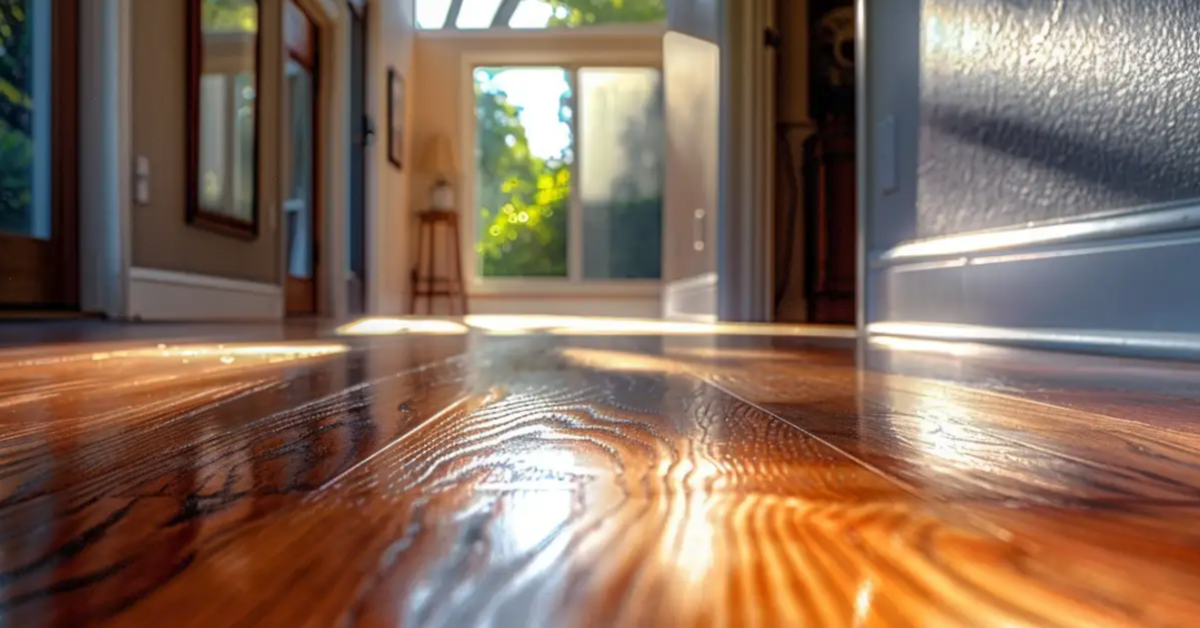
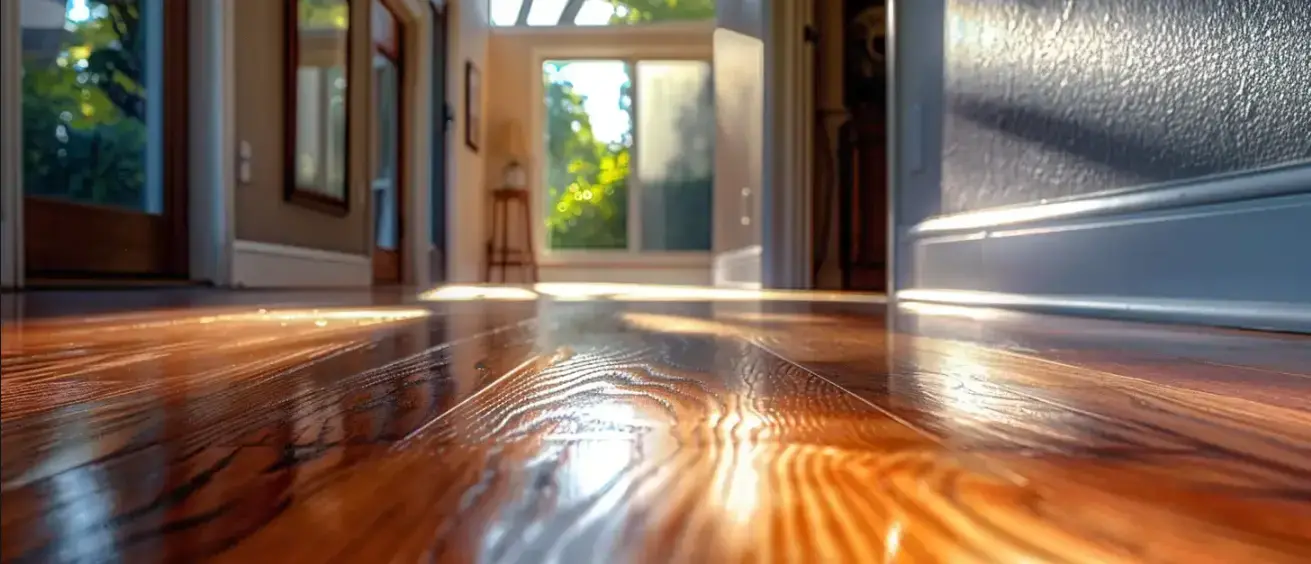
Wooden floors often have a smooth finish. This smoothness reduces grip underfoot. Shoes and bare feet can easily slide on such surfaces. Polished wood increases slipperiness because it lacks texture. Floors without roughness or grooves do not provide enough traction.
Effect Of Moisture And Spills
Water and other liquids create a slippery layer on wood. Moisture from rain or spills lowers friction. Even small amounts of liquid make floors dangerous. Wet wooden floors feel slick and cause slips. Humid conditions can also make wood damp and slippery.
Role Of Floor Finish
Floor finishes affect how slippery wood feels. Some finishes create a shiny, slick surface. Glossy varnishes and polyurethane coatings often increase slipperiness. Worn or old finishes lose grip over time. Using the wrong finish can make floors unsafe to walk on.
Choosing The Right Floor Treatments
Choosing the right floor treatments can make your wooden floor safer. Slippery floors cause accidents and injuries. Simple treatments improve grip without changing the floor’s look. Some options are easy to apply and last long. Others are good for quick fixes or temporary solutions.
Non-slip Coatings
Non-slip coatings add a rough surface to smooth wood. They come as clear liquids or gels. You brush or roll them on the floor. After drying, the floor feels less slippery but still looks natural. These coatings resist water and wear well. They work great in busy areas or near entrances. Choose a product that is safe for indoor use.
Anti-slip Tape Options
Anti-slip tape sticks directly to the wooden floor. It has a gritty surface to increase traction. Tape comes in different widths and colors. You can cut it to fit stairs or narrow paths. It is an affordable and fast way to reduce slips. Replace the tape if it wears out or peels off. This option suits places where spills happen often.
Mat And Rug Placement
Mats and rugs add extra grip and style to wooden floors. Place them near doors, sinks, and other slippery spots. Use mats with rubber backing to prevent sliding. Clean them regularly to avoid dirt buildup. Rugs with textured surfaces improve safety too. Avoid small rugs that can curl or fold. Secure all edges to stop tripping hazards.
Diy Solutions To Improve Grip
Wooden floors look beautiful but can be slippery. You can fix this with simple DIY methods. These solutions add grip without costly tools or experts. They help make your floor safer for walking, especially in busy areas or homes with kids.
Using Sand And Paint Mix
Mix fine sand with floor paint to create a rough surface. The sand adds texture to the paint, improving grip. Apply the mixture evenly using a brush or roller. Let it dry completely before walking on the floor. This method works well for small slippery spots.
Applying Grit Additives
Grit additives are small, rough particles mixed into floor finishes. Add them to sealers or varnishes for added traction. Spread the mixture carefully over the wooden floor. These additives increase friction without changing the floor’s look. They are ideal for larger areas or whole rooms.
Natural Alternatives For Traction
Use natural materials like coconut fiber mats or cork pads. Place them on slippery spots for instant grip. These options are eco-friendly and easy to move. Natural rugs with rubber backing also reduce slipping risks. They add safety and a cozy touch to your wooden floor.
Credit: www.coit.com
Regular Maintenance Tips
Keeping a wooden floor safe and less slippery needs regular care. Simple habits help protect the floor and your safety. Regular maintenance stops slips before they start.
Cleaning Techniques To Avoid Slipperiness
Use a soft broom or vacuum with a floor attachment. Avoid harsh chemicals or waxy cleaners. These can make the floor slick. Instead, use a damp mop with mild soap. Dry the floor quickly after mopping.
Quick Fixes For Spills
Clean spills immediately. Use a dry cloth or paper towel. Never let water or juice sit on the floor. Even small drops can cause slippery spots. Keep a small cleaning kit nearby for fast action.
Routine Floor Inspections
Check your floor often for worn or shiny areas. These spots can be more slippery. Look for loose boards or nails too. Fixing small problems early keeps the floor safe. Schedule a monthly walk-through to spot issues.
Safety Accessories And Upgrades
Wooden floors can look beautiful but may feel slippery. Safety accessories and upgrades help reduce slip risks and improve balance. These changes make walking safer, especially for kids and older adults. Simple improvements can prevent many accidents and give peace of mind at home.
Installing Handrails And Grab Bars
Handrails and grab bars provide extra support on slippery floors. Place them near stairs, hallways, and bathrooms. These bars help people steady themselves and avoid falls. Make sure they are strong and fixed firmly to the wall. Easy access to handrails can increase confidence when walking on wooden floors.
Footwear Recommendations
Choosing the right shoes reduces slipping risks. Shoes with rubber soles offer better grip on wood. Avoid socks or smooth-soled slippers that slide easily. Use non-slip pads under rugs or mats on wooden floors. This keeps your footing stable and prevents accidents.
Upgrading To Textured Flooring
Textured wood floors improve traction compared to smooth finishes. Look for flooring with a rough or matte surface. These textures catch the foot better and reduce slips. You can also add anti-slip coatings or strips on existing floors. These upgrades make wooden floors safer without losing style.
Credit: www.coit.com

Credit: shop.truckmountforums.com
Frequently Asked Questions
How Can I Make My Wooden Floor Less Slippery?
Use non-slip mats or rugs in high-traffic areas. Applying a non-slip coating also helps improve grip. Regularly clean floors to remove dust and spills.
What Household Items Reduce Slipperiness On Wooden Floors?
Sprinkle baking soda or fine sand on slippery spots. These create friction and reduce slipping. Wipe off after walking to avoid mess.
Does Applying Wax Make Wooden Floors Slippery?
Yes, wax can increase floor slipperiness by making surfaces smooth. Avoid wax or use anti-slip wax products. Always check product labels for safety.
Can Rugs Help Prevent Slipping On Wooden Floors?
Rugs add grip and prevent direct contact with slippery wood. Use rugs with non-slip backing to keep them stable. Place them near doors and stairs.
How Often Should I Clean Wooden Floors To Prevent Slips?
Clean floors at least once a week to remove dust and dirt. Wipe spills immediately to avoid slippery patches. Use a damp mop, not a wet one.
Conclusion
Making a wooden floor less slippery helps prevent falls and injuries. Use simple methods like rugs, anti-slip tapes, or special coatings. Clean floors regularly to keep them safe and dry. Choose solutions that fit your style and budget. Small changes can make a big difference in safety.
Keep your home a secure place for everyone. Start with easy steps and see the results quickly. Safety on wooden floors does not have to be hard. Try these tips today for better grip and peace of mind.