
Have you ever needed to make a perfect square hole in wood but didn’t know where to start? You’re not alone.
Cutting a clean, precise square hole can seem tricky, especially if you only have basic tools. But what if I told you there’s a simple way to do it that anyone can master? By the end of this article, you’ll have easy, step-by-step methods to create square holes that look professional and fit your project perfectly.
Keep reading, and you’ll discover tips and tricks that save you time and frustration on your next woodworking task.

Credit: allflavorworkshop.com
Tools For Square Holes
Making a square hole in wood requires the right tools. The tools affect how clean and accurate the hole will be. Some tools are old and traditional. Others are newer and use modern technology. Knowing the tools helps you pick the best one for your project.
Traditional Vs Modern Tools
Traditional tools include chisels and hand saws. They need skill and patience. These tools allow precise control but take more time. Modern tools use power and special bits. They speed up the process and reduce effort. Each has benefits depending on your needs.
Choosing The Right Drill Bits
Drill bits for square holes come in different types. Some bits cut round holes first. Then you square the hole with a chisel. Others, like the mortising bit, create square holes directly. Pick bits that match your wood type and hole size. Sharp bits make cleaner cuts and save time.
Essential Accessories
Accessories improve accuracy and safety. Clamps hold the wood steady while you work. A square ruler helps mark exact lines. A sharp chisel cleans up edges for a perfect square. Dust masks and safety glasses protect you from wood chips and dust.

Credit: www.youtube.com
Preparation Steps
Before making a square hole in wood, proper preparation is key. It helps to get accurate results and ensures safety. Taking time to set up makes the cutting process smoother. Follow these steps carefully to prepare your workspace and tools.
Marking The Hole Location
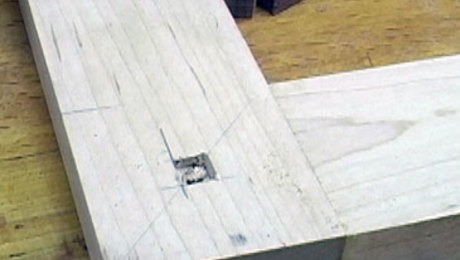
Start by measuring the exact spot for the hole. Use a ruler or tape measure for precision. Mark the corners of the square with a pencil. Double-check the size and position before cutting. Clear, visible marks guide your work and prevent mistakes.
Setting Up Clamps And Guides
Secure the wood piece firmly using clamps. This stops the wood from moving during cutting. Attach guides or straight edges around the marked area. Guides help keep your tools steady and cuts straight. Proper setup reduces errors and improves control.
Safety Precautions
Wear safety goggles to protect your eyes from wood chips. Use ear protection if working with loud power tools. Keep your hands away from the cutting path. Work in a clean, well-lit area to avoid accidents. Safety first ensures a smooth and injury-free project.
Using A Chisel And Drill
Making a square hole in wood can be tricky without the right tools. Using a chisel and drill is a practical way to create clean, precise square holes. This method combines drilling for quick material removal and chiseling for shaping the edges perfectly.
Start by drilling a pilot hole to remove most of the wood. Then use a sharp chisel to square off the hole’s corners. Finish by smoothing the edges for a neat, professional look.
Drilling A Pilot Hole
Choose a drill bit slightly smaller than your square hole size. Drill straight down into the wood where the hole will be. Drill multiple holes close together inside the square area. This removes most of the wood quickly. Keep the drill steady and vertical to avoid uneven holes.
Chiseling To Shape
Select a sharp chisel that fits the size of the square hole. Place the chisel at the edge of the drilled area. Tap gently with a hammer to remove small pieces of wood. Work around the hole to square off the rounded edges. Check the shape often to keep it even and straight.
Finishing Touches
Use a smaller chisel to clean up any rough spots. Smooth the inside edges of the hole for a clean finish. Sand lightly if needed to remove splinters. Make sure the hole fits the intended object perfectly. Take your time to get smooth, sharp corners.
Square Hole Drill Bits
Square hole drill bits are special tools made to cut clean square holes in wood. These bits are useful for joinery, locks, and other woodworking projects that need precise shapes. Unlike regular round drill bits, square hole bits create sharp corners and straight edges. They come in different types and need specific techniques to use properly. Proper care helps these bits last longer and work better.
Types Of Square Hole Bits
There are several types of square hole drill bits. Mortise chisels are common and used with drill presses. They have sharp edges to cut square shapes.
Another type is the hollow chisel bit, which works by spinning the inner bit and chopping the wood with the square outer chisel. These bits are often used for making mortises and tight joints.
Some bits come with replaceable blades. This option saves money and keeps cuts clean. The choice depends on your project and tool compatibility.
Operating Techniques
Using square hole bits requires steady hands. Secure the wood firmly to avoid movement. Slow and steady drilling gives a clean cut.
Start with a pilot hole to guide the bit. Avoid forcing the bit; let it cut naturally. Use sharp bits to reduce splintering.
For deep holes, clear the wood chips often. This prevents overheating and keeps the bit sharp. Always check alignment before drilling.
Maintenance Tips
Clean bits after each use to remove wood dust. Use a brush or compressed air for best results. Keep bits dry to avoid rust.
Sharpen dull edges with a fine file or sharpening stone. Dull bits cause rough cuts and strain your tools. Store bits in a safe place to prevent damage.
Regular inspection helps spot cracks or chips. Replace damaged bits to keep work safe and precise.
Router Techniques
Using a router to make a square hole in wood is a smart choice. A router offers control and precision. It helps create clean, sharp edges that other tools cannot easily match. The key is to use the right techniques. This section explains how to get the best results using a router.
Selecting The Right Router Bit
Choosing the correct router bit is the first step. A straight bit works well for cutting square holes. Pick a bit size slightly smaller than the hole you want. This allows room for clean, precise cuts. Carbide-tipped bits last longer and cut smoothly. Avoid dull bits to prevent splintering the wood.
Setting Depth And Guides
Set the depth of your router carefully. It should match the thickness of the wood or the desired hole depth. Use a depth stop on your router for consistent cuts. Guides help keep the router steady. Clamp a square guide or use a template to follow. This ensures the hole stays square and accurate.
Step-by-step Routing
Start by marking the hole outline on the wood. Drill a small pilot hole inside the square for the router bit. Place the router bit into the pilot hole. Turn on the router and slowly follow the square guide. Make shallow cuts in several passes. This reduces strain on the router and wood. Clean up corners with a chisel if needed for perfect edges.
Using A Mortiser
Using a mortiser is a reliable way to make square holes in wood. This tool cuts precise, clean holes quickly. It is ideal for joinery tasks like mortise and tenon joints. Learning to use a mortiser well improves woodworking quality and efficiency.
Mortiser Setup And Calibration
Start by mounting the mortiser securely on a stable surface. Check the drill bit and chisel for sharpness. Align the chisel square to the wood surface. Adjust the depth stop to control hole depth. Test the setup on scrap wood before the final cut.
Making Clean Cuts
Hold the wood firmly against the mortiser fence. Turn on the machine and lower the chisel slowly. Make multiple passes, removing small amounts of wood each time. Avoid forcing the tool to prevent rough edges. Clear wood chips regularly to keep the cut clean.
Handling Common Issues
Watch for chisel dullness, which causes tearing. Replace or sharpen dull bits promptly. If the hole is uneven, recalibrate the setup. Check that the wood is held firmly during cutting. Remove debris to avoid blockages and overheating.
Finishing And Sanding
Finishing and sanding are key steps after cutting a square hole in wood. These steps ensure the hole looks clean and fits perfectly. Proper finishing also protects the wood and extends its life.
Careful sanding removes rough spots and splinters. It makes the edges smooth and safe to touch. Finishing adds a nice look and helps the wood resist damage.
Smoothing Edges
Use fine-grit sandpaper to smooth the edges of the hole. Sand gently along each side until the wood feels even. Avoid sanding too much to keep the square shape sharp. A sanding block helps keep straight edges neat.
Checking For Accuracy
Measure the hole with a ruler or square tool. Check that all sides are equal and corners are right angles. Lightly trace the outline to spot any uneven spots. Fix small errors by sanding or trimming carefully.
Applying Protective Coating
Choose a clear wood finish like varnish or polyurethane. Apply a thin, even coat to seal the wood. This protects against moisture and wear. Let the coating dry fully before handling the wood piece again.
Tips For Precision
Precision matters when making a square hole in wood. Accurate cuts improve the fit and finish of your project. Small errors can ruin the entire piece. Follow these tips to keep your cuts clean and exact.
Measuring And Marking Tricks
Start by measuring twice, cutting once. Use a sharp pencil or fine marker for clear lines. Mark the hole’s outline carefully on all visible sides. Use a square or ruler to keep lines straight. Check angles with a carpenter’s square before cutting. Clear, precise marks guide your tools and reduce mistakes.
Avoiding Common Mistakes
Don’t rush the cutting process. Slow, steady movements give better control. Avoid forcing tools, which can cause splintering or uneven edges. Keep blades sharp for clean cuts. Watch for wood grain direction; cutting against it may cause chipping. Always remove loose debris before continuing work.
Practice Drills
Practice on scrap wood first. This builds your confidence and skill. Try different tools and techniques to find what works best. Focus on straight cuts and clean corners. Practice helps you understand tool behavior and wood response. Gradual improvement leads to precise, square holes in your final project.
Project Ideas With Square Holes
Square holes add a unique touch to woodworking projects. They create strong joints and eye-catching designs. Many woodworkers use square holes for both practical and decorative purposes. Below are some ideas to inspire your next project using square holes.
Furniture Joinery
Square holes are perfect for making sturdy joints in furniture. Mortise and tenon joints often use square holes to fit tenons tightly. These joints hold tables, chairs, and cabinets together securely. Using square holes improves the strength and durability of your furniture.
Decorative Woodworking
Square holes can enhance the look of decorative pieces. Patterns with square holes create interesting shadows and textures. Wood screens, wall art, and lampshades benefit from this design. The precise shape adds a modern, geometric feel to woodworking.
Diy Home Projects
Square holes work well in many home DIY projects. Use them for garden trellises, shelving supports, or tool holders. They offer a simple way to join parts without metal fasteners. DIYers enjoy the clean look and strong fit of square-hole joinery.
Credit: www.finewoodworking.com
Frequently Asked Questions
How Can I Cut A Perfect Square Hole In Wood?
Use a drill to make starter holes, then saw along marked lines. A chisel helps clean the corners for sharp edges.
What Tools Are Best For Making Square Holes In Wood?
A drill, saw, and chisel are the basic tools needed. A router with a square bit can make it easier and faster.
Can I Make A Square Hole Without Special Tools?
Yes, by drilling holes and carefully chiseling the shape. It takes more time and patience but works well for small holes.
How Do I Avoid Splintering Wood When Cutting Square Holes?
Use sharp tools and cut slowly. Clamp the wood firmly and score the cut lines before cutting to reduce splinters.
What Is The Easiest Way To Make A Square Hole In Wood?
Using a router with a template guide is the easiest. It creates clean, precise square holes quickly and with less effort.
Conclusion
Making a square hole in wood can seem tough at first. Take your time and follow each step carefully. Using the right tools makes the job easier and safer. Practice on scrap wood before working on your main piece. Keep your lines straight and check measurements often.
With patience, your holes will come out clean and accurate. Enjoy the process and improve your woodworking skills bit by bit. This simple skill can help with many future projects. Keep trying, and you will get better each time.