Are you looking for a simple way to secure your sliding barn door from the outside? Whether it’s for your home, office, or a stylish barn, knowing how to lock that door can bring you peace of mind.
You don’t want to worry about unwanted visitors or your belongings being vulnerable. You’ll discover easy, effective methods to lock your sliding barn door without complicated tools or expensive hardware. Keep reading, and you’ll learn how to make your door both beautiful and safe.
Types Of Locks For Sliding Barn Doors
Sliding barn doors need locks that fit their unique style and function. Choosing the right lock helps keep your space safe and easy to use. Different locks offer various levels of security and convenience.
Some locks are simple and cost-effective. Others use modern technology for extra control. Here are common types of locks for sliding barn doors.
Padlocks And Hasps
Padlocks and hasps offer a basic locking method. The hasp attaches to the door and frame. You close the hasp and secure it with a padlock. This setup is easy to install and use. It works well for outdoor or rustic doors. Padlocks come in many sizes and strengths.
Keyed Locks
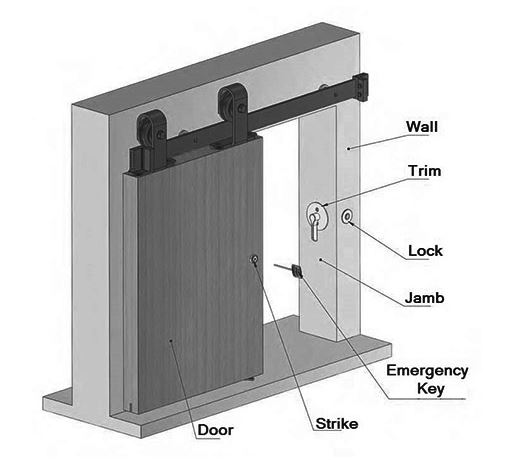
Keyed locks provide more security than padlocks. They use a key to lock and unlock the door. These locks fit directly on the sliding door hardware. They prevent the door from sliding open without the key. Keyed locks are good for sheds or garages. They give peace of mind with controlled access.
Sliding Bolt Locks
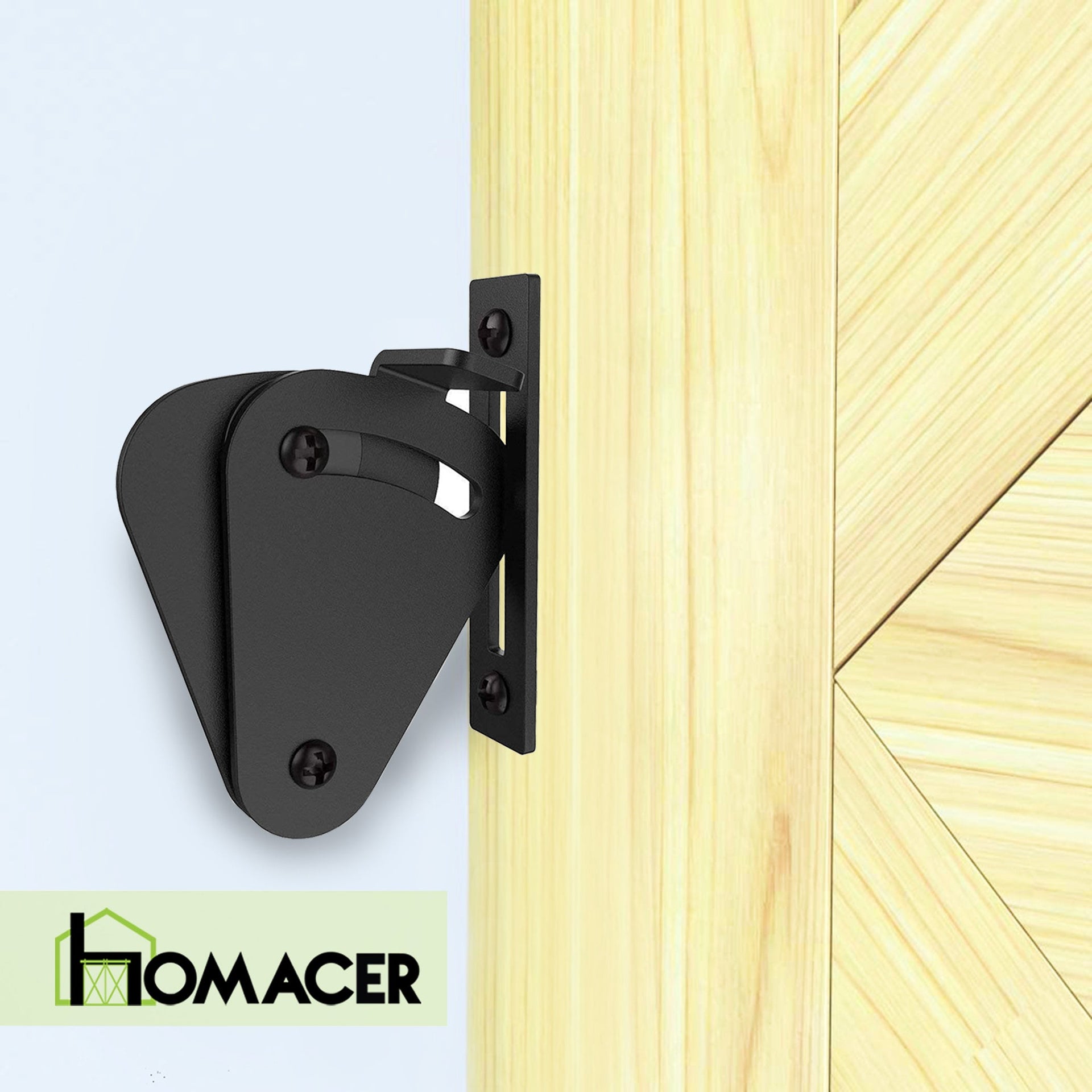
Sliding bolt locks are simple and sturdy. A metal bolt slides into a catch or bracket on the frame. This stops the door from moving. You can add a padlock to the bolt for extra security. These locks are common on barn doors and gates. They are easy to operate and reliable.
Electronic And Smart Locks
Electronic and smart locks offer advanced features. They use codes, keypads, or smartphone apps to lock and unlock. Some models connect to home security systems. These locks give keyless entry and remote control. They suit modern homes and businesses. Installation may require professional help.
Credit: www.hangingdoorhardware.com
Choosing The Right Lock
Choosing the right lock for a sliding barn door is important. It keeps your space safe and adds convenience. The lock must fit your needs and the door type. Think about security, door material, ease of use, and style. These points help you pick the best lock.
Security Level Needs
Consider how much security you want. Some locks offer basic protection. Others provide high security with strong materials. Choose a lock that matches your safety concerns. For valuable items, pick a lock with strong resistance to tampering.
Door Material Compatibility
The lock must work with your door material. Wood, metal, and composite doors need different locks. Some locks clamp onto the door frame. Others require drilling holes. Check if the lock fits well and does not damage the door.
Ease Of Use
Choose a lock that is simple to operate. A complicated lock can cause frustration. Consider locks with keys, combination codes, or simple latches. Make sure you can lock and unlock it quickly from the outside.
Aesthetic Considerations
The lock should match your door’s style. Sliding barn doors have a rustic look. Pick a lock that blends well with this style. Many locks come in finishes like black, bronze, or silver. A good match improves the door’s appearance.
Tools And Materials Needed
To lock a sliding barn door from the outside, you need the right tools and materials. Having everything ready makes the job easier and faster. This section lists all the essential items you will need to complete the task safely and correctly.
Basic Hardware Tools
You will need a drill with different drill bits for making holes. A screwdriver is necessary for tightening screws. A measuring tape helps to place the lock accurately. A pencil or marker will mark the drilling spots. A level ensures the lock is straight. A wrench or pliers may be needed for bolts or nuts.
Lock Components
Choose a lock designed for sliding barn doors. It usually includes a latch or bolt and the mounting plates. Some locks come with a key or combination mechanism. Make sure the lock fits the door thickness and style. Check if screws and bolts are included in the lock package.
Safety Gear
Protect your eyes with safety goggles while drilling. Wear gloves to avoid cuts and splinters. Use ear protection if the drill is loud. Keep a clean workspace to prevent accidents. A dust mask can help if dust forms while drilling.

Credit: rustica.com
Step-by-step Lock Installation
Installing a lock on a sliding barn door from the outside adds extra security and peace of mind. This step-by-step guide helps you do it right. Follow each step carefully for the best results.
Measuring And Marking
Start by choosing the lock’s position on the door. Measure carefully to ensure the lock will fit well. Mark the spots where you will drill holes. Use a pencil for clear, visible marks. Double-check your measurements to avoid mistakes.
Drilling And Preparing Door
Use a drill to make holes on the marks. Choose a drill bit that matches the size of the lock screws. Drill slowly to avoid splitting the wood. Clean the holes and remove any dust. This step makes the lock fit smoothly.
Attaching Lock Components
Place the lock parts on the door. Align them with the drilled holes. Use screws to fix the lock firmly in place. Tighten the screws but do not overdo it. The lock should feel secure but not damage the door.
Testing Lock Functionality
Slide the door closed and lock it. Check if the lock engages easily and holds tight. Try unlocking it from the outside. Make sure the key or mechanism works smoothly. Adjust if needed to ensure proper function.
Tips For Maintaining Your Lock
Maintaining the lock on your sliding barn door is key to keeping it secure and working well. Simple care can stop problems before they start. Small efforts help the lock last longer and work smoothly every day.
Regular Cleaning
Dust and dirt build up on locks quickly. Wipe the lock with a soft cloth often. Use a mild soap and water mix for tough spots. Avoid harsh chemicals that may damage the lock’s finish. Keep the area around the lock clear of debris. Clean locks reduce the chance of jamming or sticking.
Lubrication Techniques
Locks need lubrication to work smoothly. Use a graphite powder or a silicone-based spray. Avoid oil-based lubricants that attract dust. Apply a small amount to the keyhole and moving parts. Work the lock several times to spread the lubricant. Regular lubrication keeps the lock turning easily.
Troubleshooting Common Issues
Locks may stick or become hard to turn over time. Check for dirt or rust in the mechanism. Clean and lubricate the lock if needed. If the key won’t turn, try a different key or gently jiggle the lock. Tighten any loose screws on the lock or door. Fixing small problems early prevents bigger damage.
Alternative Security Options
Sliding barn doors need strong security from the outside. Sometimes, a lock is not enough to keep your door safe. Alternative security options help protect your home or business better. They add extra layers of safety. These options are easy to use and install.
Door Alarms
Door alarms alert you when the door moves or opens. They make a loud noise to scare off intruders. Some alarms send alerts to your phone. You can choose battery-powered or wired alarms. They are simple to install on sliding doors. Alarms add an extra warning without changing the door’s look.
Security Cameras
Security cameras watch the door area all the time. They record anyone who comes near the door. Cameras act as a strong warning for thieves. Some cameras connect to your phone or computer. You can see live video or past clips anytime. Installing cameras near barn doors boosts safety and peace of mind.
Reinforcing Door Tracks
Reinforcing door tracks stops the door from being forced open. Strong metal tracks hold the door tightly in place. Adding extra bolts or braces makes it harder to lift the door off. This method strengthens the door’s structure without changing its look. Reinforced tracks keep sliding barn doors more secure and stable.
Credit: www.homacer.com
Frequently Asked Questions
How Can I Secure A Sliding Barn Door From Outside?
Use a sliding door lock designed for barn doors. These locks attach easily and keep the door firmly shut.
What Types Of Locks Work Best For Barn Doors?
Padlocks with hasps, keyed locks, and sliding bolts are common. Choose one that fits your door’s style and use.
Can I Install An External Lock Myself?
Yes, many locks come with simple instructions. Basic tools like a drill and screwdriver are usually enough.
Is It Possible To Lock A Sliding Barn Door Without Drilling?
Yes, clamp-style locks or portable door locks work without drilling. They are ideal for renters or temporary use.
How Do I Maintain My Barn Door Lock For Long Use?
Keep the lock clean and oil its moving parts regularly. This prevents rust and keeps the lock working smoothly.
Conclusion
Securing a sliding barn door from the outside is simple with the right tools. Choose a lock that fits your door and needs. Install it carefully following the instructions. Check the lock regularly to keep it working well. A locked barn door adds safety and peace of mind.
Try these steps to protect your space easily. Safe, strong, and easy — that’s the goal.