
If you want to give your cabinets a clean, modern look, hidden hinges are the way to go. But you might be wondering how to install them on face frame cabinets without making a mess or damaging your doors.
Don’t worry—this guide will walk you through every step, making it simple and stress-free. By the end, you’ll have sleek, professional-looking cabinets that impress anyone who sees them. Ready to upgrade your space? Let’s get started!
Tools And Materials Needed
Installing hidden hinges on face frame cabinets requires specific tools and materials. Having everything ready makes the job easier. It also ensures better results and saves time.
Gather all the tools and materials before starting. This helps avoid interruptions and keeps the work smooth. Each tool has a role in the installation process.
Measuring Tools
Use a tape measure to check dimensions precisely. A combination square or ruler helps mark straight lines. Accurate measurements prevent mistakes during installation.
Drill And Drill Bits
A power drill is essential for making holes for hinges. Use the correct size drill bits to match the hinge screws. A drill with adjustable speed works best for control.
Screwdrivers
Both a Phillips and flathead screwdriver are necessary. They help tighten or loosen screws easily. Choose screwdrivers with comfortable grips for better handling.
Hidden Hinges
Select hinges designed for face frame cabinets. They come in different sizes and styles. Pick hinges that fit your cabinet doors and frames well.
Wood Screws
Use screws that match the hinge type and cabinet material. Avoid screws that are too long or short. Proper screws keep the hinges secure and stable.
Pencil And Marking Tools
A sharp pencil is useful for marking hinge placement. Masking tape can help mark areas without damaging wood. Clear marks guide accurate drilling and fitting.
Clamps
Clamps hold cabinet doors steady during installation. They prevent movement, making screw placement easier. Use clamps that fit your cabinet size well.
Safety Gear
Wear safety glasses to protect your eyes from dust. Gloves can protect hands from splinters and sharp edges. Safety gear keeps you safe during work.
Choosing The Right Hidden Hinges
Choosing the right hidden hinges is important for face frame cabinets. The right hinge makes the cabinet door open smoothly. It also hides the hinge for a cleaner look. Picking the wrong hinge can cause problems with door alignment and durability. Consider the cabinet style and door weight. These factors affect hinge choice.
Types Of Hidden Hinges
There are several types of hidden hinges. Full overlay hinges cover the cabinet frame fully. Half overlay hinges cover half of the frame. Inset hinges fit inside the frame. Each type suits different cabinet designs. Match the hinge type to your cabinet style.
Hinge Size And Weight Capacity
Hinges come in different sizes. Choose a size that fits your cabinet door. Also, check the hinge’s weight limit. Heavy doors need strong hinges. Using weak hinges can cause door sagging. Confirm the hinge supports your door’s weight.
Adjustability Features
Good hidden hinges offer adjustability. They allow you to move the door up, down, left, or right. This helps with door alignment after installation. Hinges with 3-way adjustment give the best fit. Look for hinges with easy adjustment screws.
Material And Finish
Hinges come in different materials like steel or brass. Choose a durable material for long life. The finish should match or blend with your cabinet hardware. Common finishes include nickel, chrome, and bronze. Pick a finish that suits your kitchen style.
Preparing The Cabinet Door
Preparing the cabinet door is the first step to install hidden hinges. It needs careful measuring and marking. This makes sure the hinge fits perfectly. Precise preparation leads to smooth door operation and a clean look.
Take your time to set the door right. This helps avoid mistakes and saves time later. Follow each step carefully for the best result.
Marking Hinge Placement
Start by deciding where the hinges will go. Usually, place one hinge about 3 inches from the top. Place the second hinge about 3 inches from the bottom. This holds the door firmly and balances the weight.
Use a pencil to mark the spots on the inside of the door. Make sure the marks are straight and even on both sides. Double-check the measurements to avoid errors. Correct marking is key for a perfect fit.
Drilling Hinge Cup Holes
Hidden hinges need a special hole called a hinge cup hole. Use a Forstner bit sized for the hinge cup, usually 35mm. Drill the hole where you marked. Drill to the correct depth, often about 1/2 inch.
Keep the drill steady and straight. A crooked hole can stop the hinge from fitting well. After drilling, clean any wood dust from the hole. Now the door is ready to attach the hinge cups securely.

Credit: www.amazon.com
Preparing The Face Frame
Preparing the face frame is the first step to install hidden hinges properly. It ensures the hinges fit well and work smoothly. Careful preparation helps avoid mistakes and saves time during installation.
Start by understanding where the hinges will go. Precision matters to keep cabinet doors aligned. Use the right tools and take your time marking and cutting.
Marking Hinge Positions
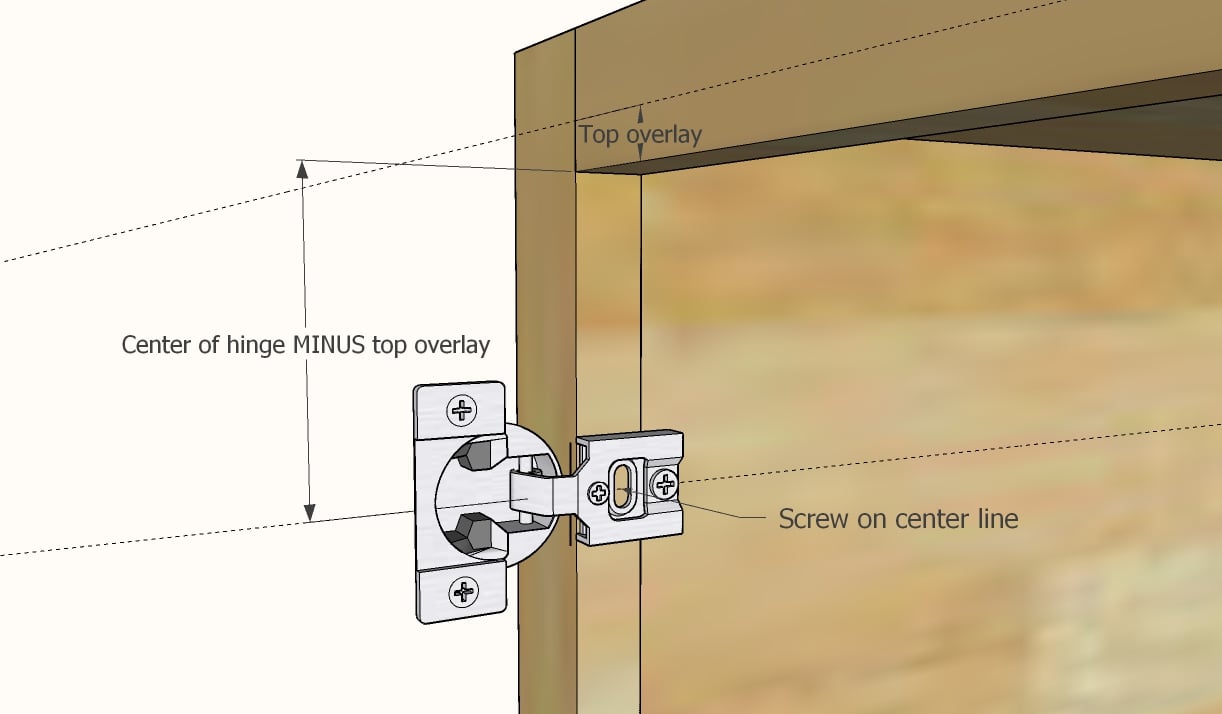
Use a pencil and ruler to mark the hinge spots on the face frame. Check the hinge size and follow the manufacturer’s guide. Typically, hinges go about 2 to 3 inches from the top and bottom edges.
Mark both sides of the cabinet to ensure even placement. Double-check your measurements before moving on. Clear, accurate marks make the next steps easier.
Creating Recesses For Hinges
Hidden hinges sit inside recesses cut into the face frame. Use a drill or router to create these recesses at the marked spots. The depth should match the hinge cup size exactly.
Work slowly and carefully to avoid damaging the wood. Test the hinge fit often to ensure a snug fit. Smooth the edges with sandpaper for a clean finish.
Attaching Hinges To The Door
Attaching hinges to the cabinet door is an important step. It ensures the door opens smoothly and fits well. Hidden hinges keep the look clean and modern. Careful placement of the hinges makes the door strong and balanced.
Before attaching, mark the spots for the hinge cups on the door. Use a template or measure carefully. The hinge cup hole must be drilled at the right depth. This prevents damage and allows the hinge to fit perfectly.
Marking The Hinge Cup Location
Place the door face down on a flat surface. Measure from the top and bottom edges to find the cup center. Mark the spot clearly with a pencil. Use the same marks on both sides for balance.
Drilling The Hinge Cup Hole
Use a Forstner bit for clean, flat-bottom holes. Match the bit size to the hinge cup diameter. Drill straight into the door at the marked spot. Keep the depth shallow enough to avoid going through the door.
Securing The Hinge Cups
Insert the hinge cup into the drilled hole. Press firmly until it sits flush with the door surface. Use screws to fix the cup in place. Tighten screws evenly to keep the hinge stable and strong.
Mounting The Door On The Cabinet
Mounting the door on the cabinet is a key step in installing hidden hinges. Proper alignment ensures smooth door movement and a clean look. Take your time to position the door accurately. Small mistakes can cause the door to not close properly or look uneven.
Start by holding the door in place against the cabinet frame. Check that the edges line up with the cabinet sides. Use clamps or a helper to keep the door steady during installation. This will make attaching the hinges easier and more precise.
Aligning The Door With The Cabinet Frame
Place the door against the cabinet frame carefully. Look at the gaps around the door edges. Aim for even spacing on all sides. Use a ruler or spacer to measure the gaps. This helps prevent the door from rubbing or sticking.
Mark the hinge locations on the door. Use a pencil and measure from the top and bottom. Drill pilot holes to avoid splitting the wood. Screw the hinges firmly to the door. Check that the screws are tight but do not over-tighten.
Securing The Door To The Cabinet Frame
Hold the door with attached hinges against the cabinet frame. Line up the hinge plates with the pre-drilled holes on the frame. Insert screws into the hinge plate holes. Tighten screws evenly to secure the door. Open and close the door to test movement and fit.
Adjusting The Hinges For Fit
Adjusting the hinges for fit is a key step in installing hidden hinges on face frame cabinets. Proper adjustment ensures the doors open smoothly and align perfectly with the cabinet frame. Small tweaks can make a big difference in how the doors look and work.
Each hinge has screws that control the door height, side-to-side position, and door depth. Adjusting these screws lets you fine-tune the fit. Take your time and test the door movement after each adjustment.
Aligning Door Height
Use the vertical adjustment screw to raise or lower the door. Turn the screw slowly and watch the door move up or down. Align the door edges with the cabinet frame top and bottom. Make sure the gap between doors stays even.
Adjusting Side-to-side Position
Side-to-side adjustment moves the door closer or farther from the cabinet frame. Find the horizontal adjustment screw on the hinge. Turn it gently to shift the door left or right. Check the door gap to keep it consistent along the side.
Setting Door Depth
The depth adjustment controls how far the door sits from the cabinet frame. Use the depth screw to push the door in or out. Adjust until the door sits flush with the cabinet face. Proper depth prevents rubbing and ensures smooth closing.

Credit: www.paintingbythepenny.com
Common Issues And Fixes
Installing hidden hinges on face frame cabinets can be tricky. Some common problems might slow you down. Knowing these issues and their fixes will save time and frustration.
Most problems come from misalignment or wrong measurements. A few simple checks can make the installation smooth and neat.
Incorrect Door Alignment
Doors not lining up evenly is a frequent problem. This happens when hinge holes are not drilled straight or at the right depth. Fix this by using a jig for drilling. Adjust the screws on the hinge to fine-tune the door position.
Hinge Not Sitting Flush
Sometimes the hinge does not sit flat against the cabinet frame. This causes the door to stick or not close properly. Check if the hinge cup is too shallow for the door thickness. Chisel or drill a deeper cup hole to fit the hinge fully.
Door Binding Or Rubbing
The door may rub against the frame or cabinet body. This usually means the hinge is set too far inside or outside. Loosen the screws and move the hinge slightly. Test the door motion before tightening completely.
Loose Hinges Over Time
Hinges can become loose after regular use. This makes the door sag or misalign. Tighten all screws firmly. If holes are stripped, use wood filler or toothpicks with glue to fill the gaps before re-screwing.
Gap Between Door And Frame
A visible gap can spoil the cabinet’s look. This happens when hinges are not adjusted well. Use the adjustment screws to bring the door closer to the frame. Check for even spacing all around the door edges.
Credit: www.ana-white.com
Frequently Asked Questions
What Tools Do I Need To Install Hidden Hinges On Cabinets?
You will need a drill, screwdriver, measuring tape, and a pencil. A hinge jig helps make accurate holes. Safety glasses are also recommended.
How Do I Measure For Hidden Hinge Placement?
Measure 2-3 inches from the top and bottom of the cabinet door. Mark these points clearly for hinge placement. This ensures proper door alignment and smooth opening.
Can I Install Hidden Hinges Without A Hinge Jig?
Yes, but using a hinge jig makes drilling precise and easier. Without a jig, measure carefully and drill slowly. Accuracy is key to avoid damage.
How Deep Should I Drill Holes For Hidden Hinges?
Drill holes about 1/2 inch deep for most concealed hinges. Check hinge specifications for exact depth. Proper depth ensures the hinge fits snugly.
How Do I Adjust Hidden Hinges After Installation?
Use the adjustment screws on the hinge to align the door. Move the door up, down, left, or right for a perfect fit. Small tweaks improve door function.
Conclusion
Installing hidden hinges on face frame cabinets improves both look and function. Follow each step carefully for the best fit. Use the right tools to avoid mistakes. Take your time to measure and align the hinges correctly. Once installed, the doors open smoothly and look clean.
This simple upgrade can refresh your kitchen or workspace. Practice makes perfect, so don’t rush the process. Enjoy a neat, modern cabinet style that lasts.