
Are you tired of feeling chilly even when your wood stove is burning? You want to get the most heat possible without wasting wood or struggling to keep the fire going.
Imagine your home feeling warm and cozy all day, with less effort and fewer trips to the woodpile. You’ll discover simple, effective tips to maximize the heat from your wood stove. By the time you finish reading, you’ll know exactly how to turn your stove into a powerful heat source that keeps your space comfortable and saves you money.
Keep reading to unlock the full potential of your wood stove!

Credit: www.directstoves.com
Choosing The Right Wood Stove
Choosing the right wood stove is key to heating your home efficiently. The right stove keeps your space warm without wasting wood or energy. Many factors affect your choice, such as the type of stove, size, and efficiency. Understanding these helps you pick the best option for your needs.
Types Of Wood Stoves
Wood stoves come in various styles. Traditional stoves have a classic look and work well for most homes. Catalytic stoves use a special filter to burn wood more completely. Non-catalytic stoves rely on extra air to burn the wood gases. Each type has benefits and costs. Choose based on how much heat you need and how much you want to spend.
Sizing For Your Space
The size of the stove matters a lot. Too small a stove will not heat your room well. Too large will waste wood and make the room too hot. Measure your room size before buying. Look for a stove that fits your space size. Stoves are rated by the square footage they can heat. Match the stove size to your room for best results.
Efficiency Ratings To Consider
Efficiency ratings show how well a stove turns wood into heat. Look for stoves with high efficiency ratings. A higher rating means more heat and less wood burned. Check the EPA rating for cleaner and safer stoves. Efficient stoves save money and help the environment. Choose a stove with a good rating to get the most heat from your wood.
Selecting Quality Firewood
Choosing the right firewood is key to getting the most heat from your wood stove. Good firewood burns longer and hotter. It also creates less smoke and creosote buildup. Picking quality wood saves time and keeps your home warm and safe.
Seasoned Vs. Green Wood
Seasoned wood is dry wood. It has been cut and left to dry for six months to a year. Dry wood burns well and produces more heat. Green wood is fresh and wet. It smokes a lot and burns poorly. Always use seasoned wood for the best heat.
Best Wood Species For Heat
Hardwoods like oak, maple, and hickory burn hotter and longer. These woods create steady heat and less ash. Softwoods like pine or fir burn fast and give less heat. Use hardwood for your main fire, but softwood can help start it quickly.
Proper Wood Storage Tips
Store firewood off the ground to keep it dry. Use a rack or pallets to allow air circulation. Cover the top with a tarp but leave sides open for ventilation. Keep wood away from your house to avoid pests. Good storage helps wood season well and burn better.
Optimizing Fire Building Techniques
Optimizing fire building techniques can greatly improve the heat output from a wood stove. Proper fire building helps the wood burn efficiently and produces more warmth. Understanding simple methods for starting and arranging the fire leads to longer-lasting heat and less smoke.
Effective Fire Starting Methods
Use dry kindling and small sticks to start the fire. Place crumpled newspaper or fire starters underneath the kindling. Light the paper and let the small wood catch fire first. This creates hot flames that help larger logs ignite quickly. Avoid using wet wood or too much paper to prevent smoke.
Arranging Logs For Maximum Heat
Stack logs loosely to allow air to flow between them. A popular way is the “top-down” method. Put large logs at the bottom and smaller ones on top. Light the fire from the top so it burns downward slowly. This burns cleaner and gives steady heat for a long time.
Maintaining The Fire For Consistent Warmth
Check the fire regularly and add wood before the flames die out. Keep the stove door slightly open at first to increase airflow. Close it once the fire is strong to keep heat inside. Remove ashes often to help air move freely. A well-maintained fire keeps the room warm longer.
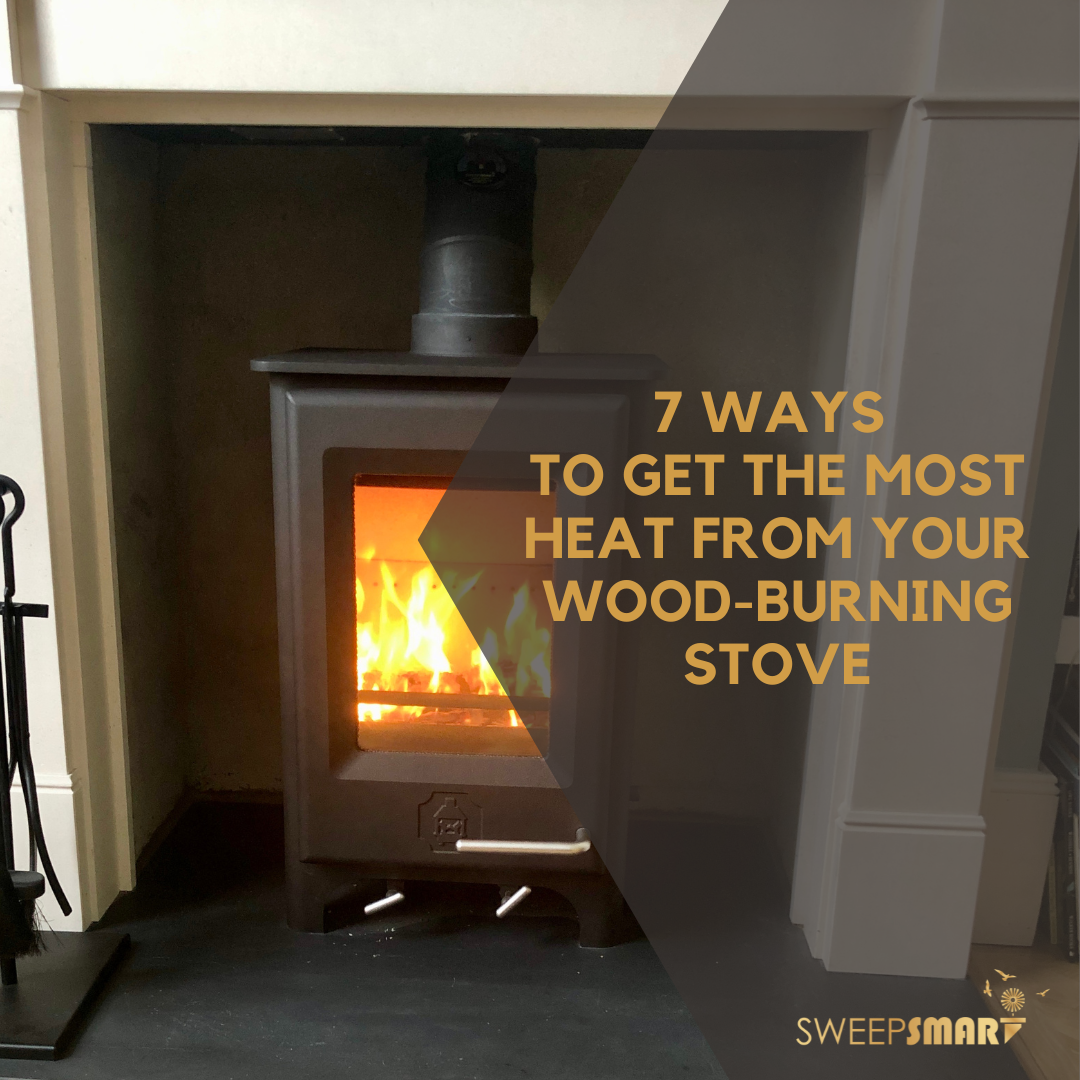
Credit: www.sweepsmart.co.uk
Improving Stove Performance
Getting the best heat from a wood stove means improving its performance. Small changes can make your stove burn hotter and longer. This saves wood and keeps your space warm. Focus on cleaning, using the right tools, and controlling airflow. These steps help your stove work efficiently.
Regular Cleaning And Maintenance
Cleaning your stove often keeps it working well. Remove ash after each use to improve airflow. Check the chimney for creosote build-up. Creosote blocks smoke and heat flow. Clean the glass door to see the fire clearly. Inspect seals and gaskets for damage. Replace parts that wear out. A clean stove burns better and safer.
Using Stove Accessories
Accessories can boost your stove’s heat output. Use a stove thermometer to monitor temperature. It helps keep the fire at the right heat level. A firebrick lining reflects heat back into the room. Stove fans move warm air around faster. Use a good-quality wood rack for better airflow under the logs. These tools make your stove more effective.
Enhancing Airflow Control
Air controls adjust how fast the wood burns. Open the vents wide at the start to get the fire going. Then, close them a bit to slow the burn and save wood. Too much air cools the fire. Too little air causes smoke and less heat. Learn to balance air intake for steady warmth. Proper airflow control means more heat with less fuel.
Maximizing Heat Distribution
Maximizing heat distribution from a wood stove is key to staying warm. The stove must spread warmth evenly through the room. A well-placed stove and good airflow help. Insulation also keeps heat inside. These steps make your stove work better and save wood.
Placement Of The Stove In Your Home
Place the stove in a central room for best heat spread. Avoid corners or small rooms. Open spaces allow heat to move freely. Position near doorways or hallways to push warmth to other rooms. Keep the stove away from windows to reduce heat loss.
Using Fans And Heat Shields
Fans help move warm air around the room. A small fan near the stove pushes heat to cooler areas. Ceiling fans set to low can pull warm air down. Heat shields reflect heat back into the room. Use shields on walls near the stove to protect surfaces and boost heat.
Insulating Your Space For Better Retention
Insulation stops warm air from escaping your home. Check windows and doors for drafts. Use weather stripping or curtains to seal gaps. Add insulation to walls and ceilings if possible. This keeps heat inside longer and makes the stove more efficient.
Safety Tips For Efficient Heating
Heating with a wood stove can be cozy and cost-effective. Safety matters a lot for good heating. Following safety tips helps you get more warmth. It also keeps your home safe from fire risks.
Avoiding Creosote Buildup
Creosote is a sticky, black substance. It forms inside your stove pipe and chimney. This buildup can block airflow and cause fires. Use dry, seasoned wood to reduce creosote. Clean your chimney regularly to remove deposits. Check for creosote at least once a month.
Proper Ventilation Practices
Good airflow helps your stove burn wood fully. It also reduces smoke inside your home. Keep air vents open as needed. Make sure your stove pipe is clear and connected well. Use a carbon monoxide detector near the stove for safety.
Fire Safety Precautions
Place a fireproof mat under and around your stove. Keep flammable items far away from the stove. Never leave the stove burning when you sleep or go out. Have a fire extinguisher nearby and know how to use it. Teach family members about stove safety rules.

Credit: www.youtube.com
Frequently Asked Questions
How Can I Improve Wood Stove Heat Output Efficiently?
Using dry, seasoned wood helps the stove burn hotter and longer. Keep air vents open for better airflow and heat. Regularly clean the stove and chimney to avoid blockages.
What Type Of Wood Gives The Best Heat For Stoves?
Hardwoods like oak, maple, and hickory burn hotter and longer than softwoods. Avoid green or wet wood as it produces less heat and more smoke.
How Does Stove Placement Affect Heat Distribution?
Placing the stove in a central room spreads heat evenly throughout the house. Avoid placing it near windows or doors where heat can escape quickly.
Why Is Controlling Airflow Important For Wood Stove Heat?
Proper airflow feeds the fire with oxygen, making it burn hotter. Too little air causes smoke and less heat; too much air burns fuel too fast.
How Often Should I Clean My Wood Stove And Chimney?
Clean the stove and chimney at least once a year to remove soot and creosote. Regular cleaning prevents fires and keeps the stove working efficiently.
Conclusion
Getting the most heat from a wood stove takes care and smart choices. Use dry wood and keep your stove clean. Control the airflow to burn wood efficiently. Stack logs properly to help air circulate well. Remember to check your stove’s seals and vents often.
These steps help your home stay warm longer. Save money and enjoy cozy comfort all winter. Small changes make a big difference in heat output. Stay safe and warm with good wood stove habits.