
Are drywood termites quietly eating away at your home? You might feel trapped by the thought of expensive, messy tenting treatments.
But what if you could get rid of these pests without all that hassle? You’ll discover simple, effective ways to tackle drywood termites on your own terms. Keep reading—your home’s safety and peace of mind depend on it.
Credit: www.greenhomepest.com
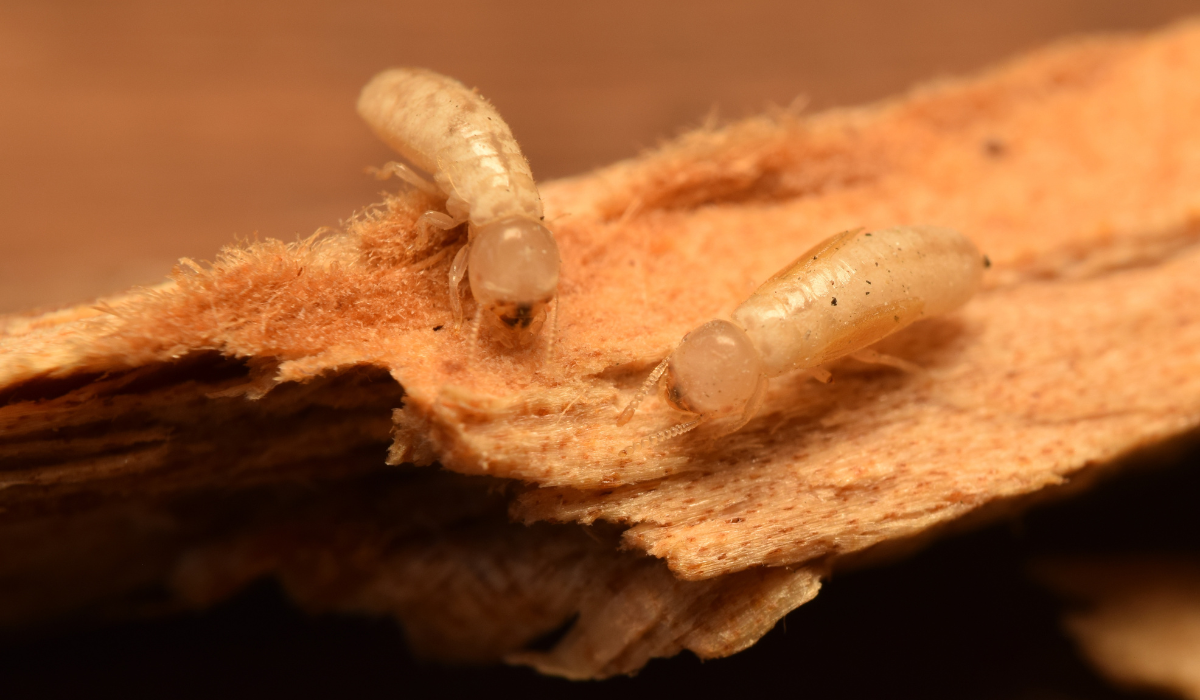
Signs Of Drywood Termite Infestation
Drywood termites can cause serious damage to wooden structures. Early detection helps stop the problem quickly. Knowing the signs of drywood termite infestation is key to protecting your home.
Termites live inside wood, making them hard to spot. Careful inspection reveals clues that show their presence. Watch for changes in wood, small droppings, and flying insects near your home.
Common Indicators In Wood
Drywood termites hollow out wood from the inside. Wood may look perfect outside but feel hollow inside. You might hear a soft clicking noise from the termites.
Look for blistered or cracked wood surfaces. These often hide termite tunnels underneath. Wood that sounds hollow when tapped can signal an infestation.
Detecting Termite Droppings
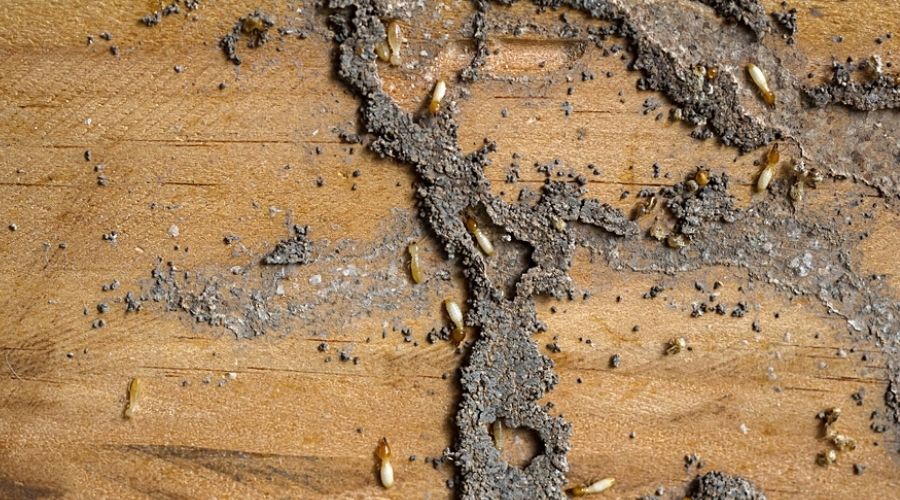
Drywood termites push out tiny droppings called frass. Frass looks like small piles of sawdust or tiny pellets. You may find these under wood beams, windows, or door frames.
Droppings are dry and hard. Their presence near wooden areas is a strong sign of termites. Clean up the droppings and check again later for fresh piles.
Spotting Swarmers And Wings
Swarmers are winged termites that leave the colony to start new ones. You may see them flying near light sources, especially in the evening. After swarming, they shed their wings.
Look for discarded wings near windowsills or on the floor. Swarmers and wings are clear evidence of an active termite colony nearby.
Credit: romneypestcontrol.com
Why Avoid Tenting
Choosing not to tent your home to get rid of drywood termites can be a smart decision. Tenting involves covering your entire house with plastic and using strong chemicals. This method has many downsides that you should know about before deciding.
Health Risks And Safety Concerns
Tenting uses powerful pesticides that can harm your health. These chemicals can cause breathing problems and skin irritation. People with asthma or allergies are at higher risk. You must leave your home for several days during the process. Pets and plants also need to be removed to avoid harm. The chemicals can linger in your home even after airing it out.
Cost And Time Considerations
Tenting is expensive. It can cost thousands of dollars depending on your home’s size. The process takes several days to complete. You need to pack up your belongings and leave your house during this time. This can disrupt your daily life and cause stress. Repairs may also be needed if the tenting damages your home.
Environmental Impact
The pesticides used in tenting can harm the environment. Chemicals may leak into soil and water sources. This can affect plants, animals, and nearby ecosystems. Tenting creates a lot of plastic waste from the tent itself. This plastic is usually not reusable or recyclable. Choosing other methods helps protect nature.
Heat Treatment Alternatives
Heat treatment offers a powerful way to kill drywood termites without harmful chemicals. It uses heat to raise the temperature inside wood, killing termites quickly. Traditional tenting covers the entire building, which can be costly and disruptive. Heat treatment alternatives focus on smaller areas or use different technology to target termites effectively. These methods reduce damage and lower costs while keeping your home safe.
Localized Heat Application
Localized heat targets specific wood sections where termites hide. Technicians use special heaters to warm the wood to a lethal temperature. This method avoids heating the entire house. It saves energy and time. Localized heat works well for small infestations or isolated termite spots. It requires skill to find all termite areas. Proper temperature control is crucial to kill termites without harming the wood.
Infrared Heat Devices
Infrared heat devices apply heat directly to termite-infested wood. These tools emit infrared radiation that warms wood deeply and evenly. Infrared heats faster than traditional methods. It penetrates cracks and crevices where termites live. This device can be handheld or fixed, depending on the job size. Infrared heat is chemical-free and safe for indoor use. It offers a quiet and clean alternative to tenting.
Benefits And Limitations
Heat treatment alternatives kill termites without chemicals or tenting. They reduce the risk of chemical exposure for families and pets. These methods also allow quicker reentry into the treated space. Heat kills all termite stages, including eggs. However, alternatives may not reach hidden colonies deep in walls. They require expert operation and monitoring. Some heat methods may not be suitable for large infestations. Careful assessment helps choose the best treatment option.
Cold Treatment Methods
Cold treatment methods offer a non-chemical way to kill drywood termites. These methods use low temperatures to freeze and stop termite activity. The main idea is to expose the wood to cold long enough to kill the insects inside. This approach avoids tenting and the use of harmful chemicals. It works best for small, movable wooden items or isolated infestations.
Freezing Infested Wood
Freezing involves placing termite-infested wood in a freezer. The temperature must drop below 0°F (-18°C) to kill termites. Keep the wood inside the freezer for at least 72 hours. This time ensures all termites inside the wood freeze and die. This method is safe and chemical-free. It works well for small wooden furniture or parts that fit in a freezer.
Dry Ice Usage
Dry ice can create very cold temperatures around infested wood. It releases carbon dioxide gas as it sublimates, which also helps suffocate termites. Place dry ice near or on the wood in a sealed container or plastic wrap. The cold temperature combined with limited oxygen kills termites. Handle dry ice with gloves to avoid frostbite. This method suits small wood pieces and spot treatments.
Effectiveness And Practicality
Cold treatments work well for small, isolated termite problems. They do not suit large structures or whole houses. Freezing and dry ice methods require access to the infested wood. Deep infestations inside large wood pieces may not get cold enough. These methods take time and care to apply correctly. Cold treatment is a good option for avoiding chemicals and tenting.
Chemical Solutions Without Tenting
Chemical solutions offer effective ways to get rid of drywood termites without tenting your home. These methods target termites directly and reduce the risk of damage. They work well for small or moderate infestations and keep your living space safe during treatment.
Boric Acid Treatments
Boric acid is a natural substance that kills termites by disrupting their digestive system. It is applied as a powder or mixed with water to spray on wood surfaces. Termites absorb the boric acid and die within days. This treatment is safe and non-toxic to humans and pets when used correctly.
Direct Chemical Injection
This method involves injecting termiticides directly into termite galleries or infested wood. The chemicals reach hidden colonies deep inside the wood. It kills termites fast and prevents them from spreading. Professionals use special tools to locate tunnels and apply the injection precisely.
Surface Sprays And Fumigants
Surface sprays apply liquid chemicals to wood and surrounding areas. These sprays create a barrier that termites cannot cross. Fumigants release gas that penetrates wood and kills termites inside. Both methods control infestations without removing furniture or covering the house.
Non-chemical Natural Remedies
Non-chemical natural remedies offer safe ways to control drywood termites. These methods avoid harsh chemicals. They use natural substances that harm termites but are safe for people and pets. These remedies require patience and care but can be effective for small infestations. Here are some popular options to try.
Orange Oil Applications
Orange oil comes from orange peels. It contains d-limonene, which kills termites on contact. Applying orange oil directly into termite galleries can eliminate them quickly. Use a syringe or injector to reach deep inside wood. Repeat treatments may be necessary for full control. Orange oil also leaves a pleasant citrus scent.
Neem Oil And Other Plant-based Oils
Neem oil disrupts termite growth and feeding. It acts as a natural pesticide and repellent. Mix neem oil with water and spray on affected wood. Other plant oils like eucalyptus and tea tree also work against termites. These oils are safe for humans and break down easily in the environment.
Diatomaceous Earth Usage
Diatomaceous earth is a fine powder made from fossilized algae. It damages termites’ protective outer layer, causing dehydration. Sprinkle food-grade diatomaceous earth around termite entry points and infested wood. It works slowly but is non-toxic and safe to use indoors. Keep the area dry for best results.
Physical Barriers And Prevention
Stopping drywood termites starts with strong physical barriers and smart prevention. These methods block termites from entering your home. They also make your wood less attractive to these pests. Prevention keeps termites away without harsh chemicals or tenting. Simple steps protect your property and save money.
Sealing Entry Points
Termites enter through small cracks and holes. Seal gaps around windows, doors, and vents tightly. Use caulk, weatherstripping, or metal mesh. Check areas where wood meets soil or concrete. Blocking these openings stops termites before they start. Regular inspection helps find new entry points early.
Wood Treatments And Coatings
Applying special wood treatments prevents termites from eating your wood. Use borate-based solutions or termite-resistant paints. These create a protective layer that termites avoid. Treat wood before building or during repairs. Coatings add extra protection against moisture and pests. This method keeps wood strong and termite-free.
Maintaining Low Moisture Levels
Termites need moisture to survive and thrive. Fix leaks in pipes, roofs, and gutters quickly. Ensure proper drainage around your home. Use dehumidifiers in damp spaces like basements. Keep wood away from soil or standing water. Dry wood is less attractive to termites and harder to damage.
Credit: romneypestcontrol.com
When To Call A Professional
Knowing when to call a professional for drywood termite treatment is important. Some infestations can be handled alone, but others need expert help. Understanding the signs and severity helps decide the right action. This section guides you on when to seek professional pest control.
Assessing Infestation Severity
Check the size of the termite infestation. Small, isolated spots might be treated with DIY methods. Large or spreading damage means termites have deeply invaded your wood. Look for multiple termite galleries or piles of termite wings. These signs show a serious problem that needs a pro’s attention. If you see structural damage, call a professional immediately.
Choosing The Right Pest Control Service
Not all pest control companies handle drywood termites the same way. Find a service that specializes in termite removal without tenting. Ask about their treatment methods and success rates. Make sure they use safe, approved products. A good company will inspect your home thoroughly before starting. Choose a company with good reviews and clear pricing.
Cost Vs. Diy Solutions
DIY termite treatments cost less upfront but may fail if the infestation is severe. Professionals charge more but can save money by preventing damage. Repairing termite damage is often more expensive than treatment. A professional job offers peace of mind and long-term results. Think about the value of your home and safety when deciding.
Frequently Asked Questions
What Are Drywood Termites And Why Are They Harmful?
Drywood termites live inside wood and eat it from within. They damage furniture, walls, and wooden structures. Left unchecked, they can ruin your home’s wood.
Can I Treat Drywood Termites Without Fumigation Or Tenting?
Yes, spot treatments like heat, cold, or chemical sprays work well. These methods target specific areas without the need for whole-house tenting. They are safer and less disruptive.
How Effective Are Heat Treatments For Drywood Termites?
Heat treatments kill termites by raising wood temperature above 120°F. This process can penetrate wood and reach termites inside. It’s a chemical-free and efficient option.
What Chemicals Can Help Remove Drywood Termites Without Tenting?
Boric acid and termite foams are common treatments. These chemicals are applied directly to infested wood or termite galleries. They kill termites and stop their spread.
How Can I Prevent Drywood Termites From Returning After Treatment?
Keep wood dry and repair leaks quickly to stop termite attraction. Regular inspections help catch early infestations. Using treated wood can also reduce risks.
Conclusion
Drywood termites can cause serious damage if ignored. Treating them without tenting is possible with the right steps. Use safe chemicals and monitor affected areas closely. Regular inspections help catch problems early. Act quickly to protect your home and belongings.
Simple methods can keep termites under control. Stay informed and maintain your property well. Your home’s health depends on careful termite management.