
Cutting a notch in wood can seem tricky if you don’t have the right tools or know-how. But with a router, you can create clean, precise notches quickly and easily.
Whether you’re building furniture, installing shelves, or working on a DIY project, mastering this skill will save you time and give your work a professional finish. In this guide, you’ll learn exactly how to cut a notch in wood with a router, step by step.
By the end, you’ll feel confident tackling your next woodworking project like a pro. Ready to get started? Let’s dive in.
Choosing The Right Router And Bit
Choosing the right router and bit is key for a clean notch in wood. The right tools make the work easier and safer. Picking the correct router and bit affects the quality of the cut. This section explains the types of routers and bits best for notching wood.
Types Of Routers For Notching
Trim routers are small and easy to handle. They work well for shallow, small notches. Fixed-base routers offer more control and depth adjustment. They suit medium-depth notches better. Plunge routers allow cutting deep into wood. They are perfect for deep or complex notches. Choose a router that fits the notch size and your skill level.
Selecting The Correct Router Bit
Straight bits cut clean, straight notches. They work well for simple designs. Rabbeting bits create notches with a shoulder edge. Useful for joining pieces of wood. Dovetail bits make angled notches for strong joints. Choose bit size based on notch width and depth. Sharp bits reduce tear-out and give smooth edges. Always match the bit to the router and wood type.

Credit: www.youtube.com
Preparing Your Workspace
Preparing your workspace is the first step before cutting a notch in wood with a router. A clean and organized area helps you work faster and safer. Taking time to set up properly reduces mistakes and accidents. Focus on safety and stability to get the best results.
Safety Gear And Precautions
Wear safety glasses to protect your eyes from wood chips. Use ear protection to guard against loud router noise. A dust mask keeps you from breathing sawdust. Avoid loose clothing and tie back long hair. Always check the router and bits for damage before use. Keep your hands away from the cutting area. Work in a well-lit space to see clearly.
Setting Up Clamps And Supports
Secure the wood firmly to your workbench using clamps. This stops the wood from moving during cutting. Use enough clamps to hold the piece steady. Place supports under long wood pieces to prevent bending. Check that the wood is flat and stable before routing. A stable setup ensures clean, precise cuts. Double-check the clamps after setup for safety.
Marking The Notch Area
Marking the notch area is the first step to cut a clean notch in wood with a router. You need to be precise to get the right shape and size. Clear markings guide your cutting and help avoid mistakes. Take your time to mark the wood carefully.
Measuring And Drawing Guidelines
Start by measuring the exact size of the notch. Use a ruler or tape measure for accuracy. Mark the width and depth of the notch on the wood surface. Use a pencil to draw straight lines along the measurements. Double-check your lines to ensure they are correct. These guidelines will act as your cutting path.
Using Templates For Accuracy
Templates make marking the notch area easier and more precise. You can buy or make a template from thin wood or plastic. Place the template on the wood and trace around it with a pencil. This method ensures uniform notches, especially for repeated cuts. Templates save time and reduce errors during marking.
Adjusting Router Settings
Adjusting the router settings is key for cutting a clean notch in wood. Proper settings help control the depth and speed of the cut. This makes the work safer and the results more accurate. Taking time to set these correctly avoids mistakes and saves wood.
Setting Depth And Speed
Start by setting the cutting depth on your router. This controls how deep the notch will be. Adjust it little by little until it matches your project’s needs. Next, set the router speed. Lower speeds work better for hardwoods. Higher speeds suit softer woods. Check your router manual for recommended speeds.
Testing On Scrap Wood
Always test your settings on a scrap piece of wood first. This lets you see how deep and clean the notch will be. Make small adjustments if the cut is too shallow or too rough. Testing helps avoid ruining your actual workpiece. It also builds your confidence before the final cut.
Cutting The Notch Step-by-step
Cutting a notch in wood with a router requires careful steps. Following a clear process makes the job easier and safer. This guide breaks down the key actions you need to take.
Each step focuses on precision and control. The goal is a clean, well-shaped notch that fits your project perfectly.
Making The Initial Pass
Start by setting the router depth for your notch. Mark the area clearly on the wood. Slowly guide the router along the marked lines. Keep a steady hand to avoid slipping. This first pass removes the top layer of wood.
Clearing Excess Material
Adjust the router depth deeper for the next passes. Remove small amounts of wood each time. Work in even strokes within the notch area. This step clears out the excess wood. Check the depth often to avoid cutting too deep.
Smoothing The Edges
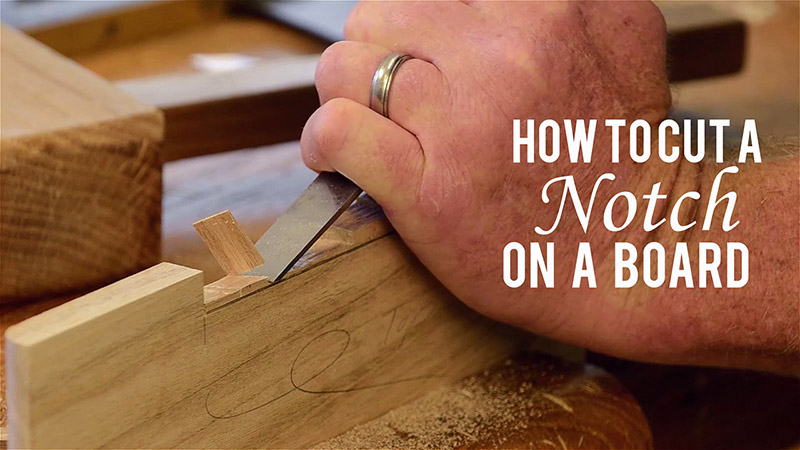
Use a fine bit or sandpaper to smooth the notch edges. Remove any rough spots or splinters. Smooth edges help the notch fit well and look neat. Take your time to ensure clean, straight lines.
Credit: woodandshop.com
Finishing Touches
Finishing touches are key to a clean, professional-looking notch. They improve the wood’s feel and appearance. These final steps prepare the notch for use or further assembly.
Sanding And Cleaning
Start by sanding the notch edges with fine-grit sandpaper. Smooth out any rough spots left by the router. Sand lightly to avoid changing the notch size.
Remove all dust using a soft brush or cloth. Clean surfaces help glue or finish stick better. Make sure the notch is dry and free of debris before moving on.
Checking Fit And Adjustments
Test the notch with the piece it will hold. Check for tight spots or gaps that affect fit. The notch should hold the wood firmly without forcing it.
If needed, adjust by sanding small areas or using the router gently. Take your time to ensure a perfect fit. A well-fitted notch adds strength and looks neat.
Common Mistakes To Avoid
Cutting a notch in wood with a router requires care. Mistakes can ruin your work or waste materials. Avoid common errors to get clean, precise cuts. Keep your focus and follow simple tips for success.
Overcutting And Undercutting
Cutting too deep or too shallow is a frequent error. Overcutting weakens the wood and can break your piece. Undercutting leaves the notch too small, causing poor fit. Use multiple shallow passes for better control. Check depth often to avoid these issues.
Router Bit Slippage
Router bit slippage happens when the bit moves from the marked line. This causes uneven or crooked notches. Secure the wood firmly to stop movement. Hold the router steady and guide it slowly. Using the right bit size reduces slippage risk.

Credit: www.reddit.com
Maintenance Tips For Your Router
Keeping your router in good shape helps it work well and last longer. Regular care stops problems before they start. Small steps make a big difference in performance and safety.
Cleaning And Storage
Clean your router after each use. Dust and wood chips can block air vents. Use a soft brush or compressed air to clear debris. Wipe the outside with a dry cloth. Avoid water or harsh cleaners.
Store the router in a dry place. Keep it away from dust and moisture. Use a case or cover to protect it. Proper storage prevents rust and damage.
Sharpening And Replacing Bits
Dull bits cause rough cuts and stress the motor. Check bits often for sharpness. Use a sharpening stone or send bits to a professional. Replace bits that are chipped or worn out.
Store bits in a holder to keep them safe. Using sharp bits ensures clean notches and smooth work. It also extends the life of your router.
Frequently Asked Questions
What Tools Do I Need To Cut A Notch In Wood With A Router?
You need a router, a straight bit, clamps, and a pencil to mark the notch. Safety glasses and ear protection are also important.
How Do I Set The Router Depth For Cutting A Wood Notch?
Adjust the router bit depth to match the notch depth you want. Test on scrap wood before cutting.
Can I Cut A Notch In Hardwood With A Router?
Yes, a router can cut hardwood notches. Use sharp bits and take slow passes for best results.
How Do I Keep The Wood From Splintering When Routing A Notch?
Clamp the wood firmly and use painter’s tape over the cut line. Cut slowly and avoid forcing the router.
What Safety Tips Should I Follow When Cutting A Notch With A Router?
Wear safety glasses and ear protection. Keep hands away from the bit and work on a stable surface.
Conclusion
Cutting a notch in wood with a router is simple and precise. Follow the steps carefully to ensure clean cuts. Use the right bit and set the depth properly. Take your time to guide the router steadily. Always wear safety gear to protect yourself.
Practice on scrap wood before working on your project. This helps build confidence and skill. With patience, you can create strong, neat notches for any woodworking task. Keep your tools sharp and your workspace tidy. Soon, cutting notches will feel easy and natural.