
Are you tired of those annoying gaps in your wood fence ruining your privacy? You’re not alone.
Those little openings let in prying eyes and disrupt the cozy, private space you want in your yard. But don’t worry—fixing this problem is easier than you think. You’ll discover simple and effective ways to cover those gaps so you can enjoy your outdoor space without feeling exposed.
Keep reading, and you’ll find practical tips that save you time, money, and frustration. Your perfect, private yard is just a few steps away!
Identify Common Fence Gaps
Identifying common gaps in wood fences is the first step to improving privacy. Gaps can appear in many places and for different reasons. Knowing the causes helps in finding the right fix. Understanding the impact of gaps shows why covering them matters so much.
Small or large, gaps reduce the fence’s ability to block views. They also weaken the fence’s strength. Spotting these gaps early keeps your yard safe and private.
Causes Of Gaps In Wood Fences
Wood shrinks and expands with weather changes. This natural movement creates spaces between boards. Over time, nails and screws may loosen, causing gaps. Poor installation or low-quality wood also leads to openings. Ground movement or soil erosion can shift fence posts. These shifts create uneven spaces in the fence line. Damage from storms or animals can break or move boards. These common causes explain why gaps form in wood fences.
Impact On Privacy And Security
Gaps let outsiders see into your yard. This reduces privacy and makes your space less comfortable. Intruders can spot valuables or find ways to enter. Small gaps can be enough to let animals in or out. Gaps also let wind, noise, and dust pass through easily. This lowers the fence’s overall protection. Closing these gaps improves privacy and keeps your property safer.

Credit: www.reddit.com
Select Materials To Cover Gaps
Choosing the right materials to cover gaps in your wood fence improves privacy and enhances your yard’s look. Different options suit various needs and styles. Some materials add a natural touch, while others offer quick fixes. Understanding these choices helps you pick the best one for your space.
Wooden Slats And Boards
Wooden slats or boards fit well with existing fences. They fill gaps while keeping a natural wood look. You can paint or stain them to match your fence color. These materials are strong and last long. Installing them is easy, using nails or screws. They also block wind and noise effectively.
Outdoor Fabric And Screens
Outdoor fabrics, like privacy screens or mesh, cover fence gaps simply. These materials come in many colors and patterns. Fabrics allow airflow but block views. Screens attach to fence posts with ties or hooks. They are lightweight and easy to remove. Using fabric is a quick and flexible privacy solution.
Plants And Greenery Options
Plants add beauty and natural privacy to fences. Climbing vines grow over gaps and create thick coverage. Shrubs or tall grasses placed near the fence block views. Choose plants that suit your climate and sunlight. Greenery softens the fence look and attracts birds. It takes time but offers a peaceful, green barrier.
Simple Fixes For Small Gaps
Small gaps in a wood fence can reduce privacy and let unwanted views through. Fixing these gaps is easy and affordable. Simple solutions work well for small spaces. These quick fixes improve privacy without replacing the whole fence. Choose a method that fits your fence style and budget.
Using Weatherproof Sealants
Weatherproof sealants fill tiny gaps and cracks in the wood. These sealants keep water out and stop wood from rotting. Apply the sealant directly into the gap with a caulking gun. Smooth it out with a putty knife for a clean finish. Allow it to dry completely before painting or staining. Sealants are good for narrow gaps and uneven spaces.
Installing Fence Strips
Fence strips are thin pieces of wood or vinyl added to the fence. Attach them vertically or horizontally over the gaps. Use nails or screws to secure the strips tightly. Choose strips that match your fence color for a neat look. Fence strips block small spaces and add strength to the fence. They are simple to install and remove if needed.
Applying Lattice Panels
Lattice panels cover larger gaps and add decorative privacy. Cut the lattice to fit the gap size and shape. Attach it to the fence frame with screws or staples. Lattice allows air to flow but blocks direct sightlines. Paint or stain the lattice to match the fence for a unified look. This method blends privacy with style.
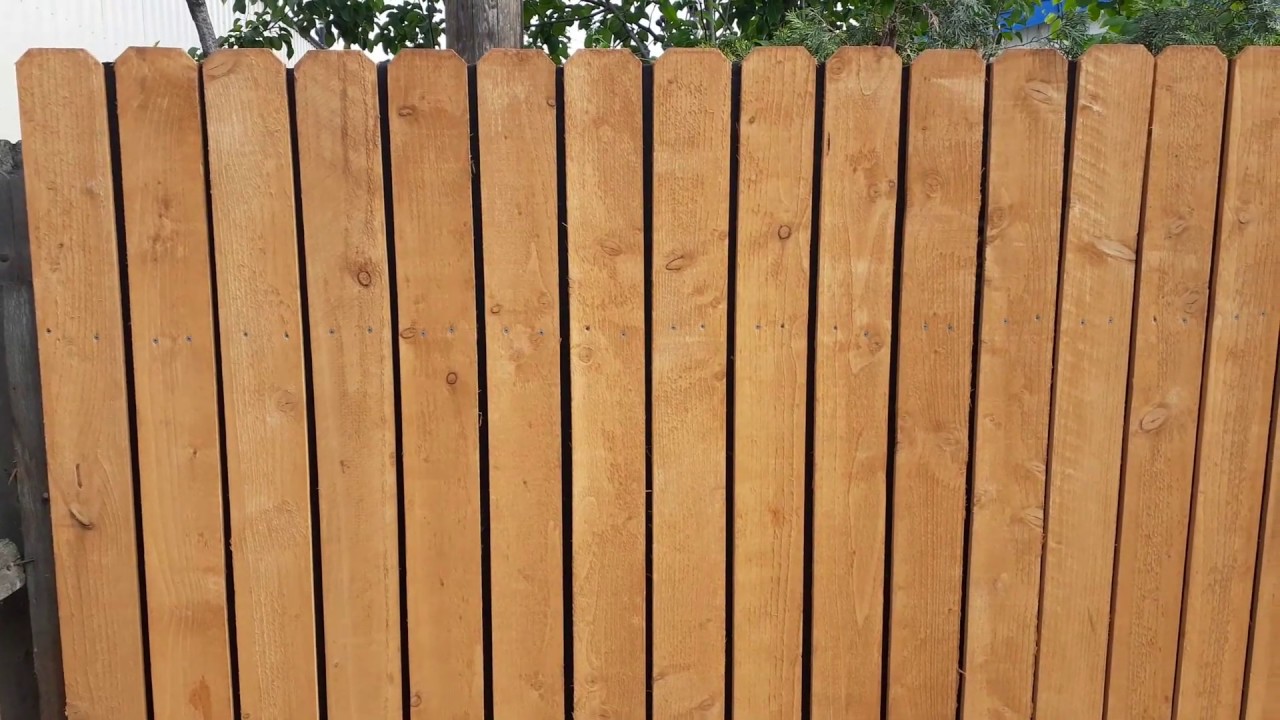
Credit: www.youtube.com
Diy Solutions For Larger Gaps
Large gaps in a wood fence can reduce privacy and let in unwanted views. Fixing these gaps can be easy with the right DIY methods. These solutions help you create a solid, private barrier without replacing the entire fence.
Adding Extra Fence Boards
Add extra boards to cover wide spaces. Use boards that match your current fence for a seamless look. Attach them vertically or horizontally, depending on the gap size. Secure the boards with screws or nails for durability. This method quickly blocks large gaps and strengthens the fence.
Building A Privacy Fence Extension
Build an extension on top of your existing fence. Use wood or lattice panels to add height and close gaps. This works well if the fence is too low or has wide gaps above. Attach the extension firmly to the fence posts. Paint or stain the new part to match the original fence.
Attaching Bamboo Or Reed Screens
Bamboo or reed screens add natural privacy and cover large gaps. Cut the screen to fit the fence sections with gaps. Secure the screen with zip ties or wire for strong hold. These screens are easy to install and give a tropical look. They also provide shade and block wind effectively.
Natural Privacy Enhancements
Natural privacy enhancements create a green barrier around your fence. They fill gaps with plants that grow tall and thick. This method adds beauty and keeps your yard private. Plants also bring fresh air and calm sounds. These options suit any outdoor space and blend well with wood fences.
Planting Tall Hedges
Tall hedges grow dense leaves and branches fast. They block views and soften the fence’s look. Choose evergreen shrubs for year-round cover. Boxwood and privet are popular choices. Plant them close to gaps for the best shield. Trim regularly to keep the shape neat.
Using Climbing Vines
Climbing vines cover fence gaps with lush greenery. They attach to wood and fill empty spaces well. Ivy and clematis climb quickly and look full. Vines add color with flowers in spring and summer. Check that your fence can hold the vine’s weight.
Incorporating Potted Plants
Potted plants bring privacy where planting is tough. Use tall pots with bamboo or ornamental grasses. Move them to block new gaps or sunny spots. Pots add style and can be changed anytime. They suit patios, decks, or small yards perfectly.

Credit: www.youtube.com
Maintenance Tips To Keep Gaps Covered
Keeping gaps in your wood fence covered takes regular care. Small gaps can grow bigger if not checked. Simple maintenance helps protect your privacy. It also keeps your fence strong and looking good.
Regular Fence Inspections
Check your fence at least twice a year. Look for any gaps or loose boards. Notice signs of wear or damage. Early spotting stops small problems from growing. Use a flashlight to see hidden spots.
Repairing Loose Boards
Loose boards create gaps and weaken the fence. Tighten screws or nails to fix them. Replace any missing fasteners right away. Secure boards prevent gaps and keep the fence stable. Use a hammer or drill for better results.
Replacing Damaged Materials
Damaged wood can cause big gaps. Replace cracked or rotted boards quickly. Use wood that matches your fence type. Proper replacement keeps the fence strong and private. Treat new wood to protect it from weather.
Frequently Asked Questions
How Can I Fix Gaps In My Wood Fence Quickly?
Use wooden slats or lattice strips to cover gaps easily. Attach them with nails or screws for a secure fit. This method hides gaps without replacing the whole fence.
What Materials Work Best To Cover Fence Gaps?
Wooden boards, bamboo screens, and outdoor fabric are great options. They blend well with wood fences and add privacy. Choose materials that resist weather and last long.
Will Sealing Gaps Improve My Fence’s Privacy?
Yes, sealing gaps blocks visibility and keeps your yard private. Use weather-resistant sealant or caulk made for outdoor use. This stops drafts and small gaps too.
Can Plants Help Cover Gaps In A Wood Fence?
Climbing plants like ivy or vines naturally fill fence gaps. They add beauty and privacy at the same time. Choose fast-growing, low-maintenance plants for best results.
How Do I Maintain My Fence After Covering Gaps?
Check the cover materials regularly for damage or wear. Clean dirt and debris to keep your fence looking good. Repair any loose parts to keep privacy intact.
Conclusion
Covering gaps in your wood fence helps keep your yard private and secure. Simple fixes like adding boards or using plants can block unwanted views. Small changes make a big difference in comfort and peace. Choose the option that fits your style and budget best.
Enjoy your outdoor space without worrying about gaps. Your fence can look great and work well at the same time. Privacy is easier to achieve than you might think. Take action today and improve your fence’s function and look.