
Are you ready to transform your garden into a beautiful, low-maintenance oasis? Building a raised garden bed with composite decking is a smart way to grow your plants while adding style and durability to your outdoor space.
Imagine a garden bed that won’t rot, warp, or need constant upkeep—just strong, clean lines that last for years. In this guide, you’ll discover simple steps to create your own raised garden bed using composite decking, even if you’re new to DIY projects.
Keep reading, and you’ll learn how to make your gardening easier and more enjoyable than ever before.

Credit: www.youtube.com
Benefits Of Composite Decking
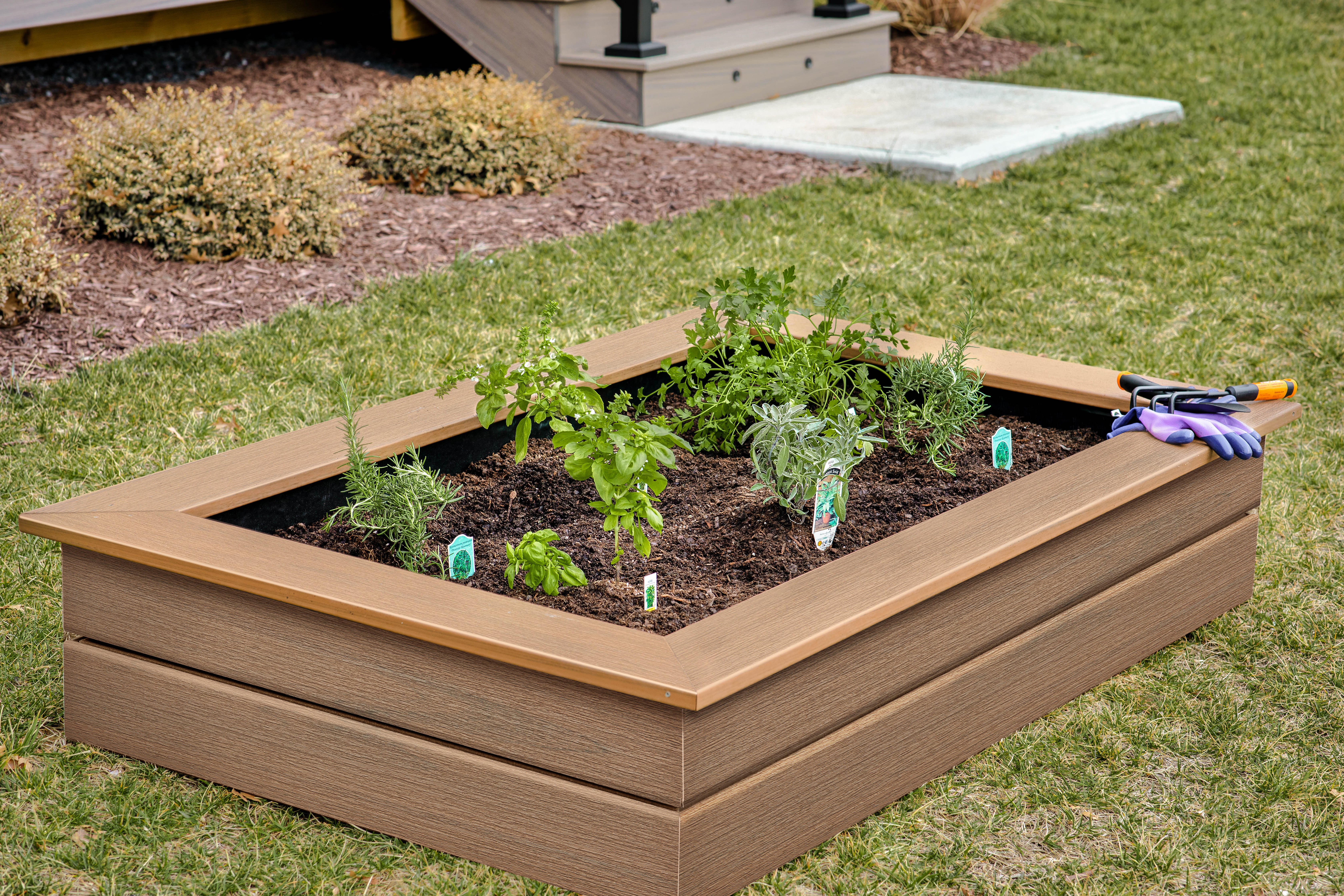
Composite decking offers many benefits for building raised garden beds. It combines strength, beauty, and easy care. This material lasts long and looks good in any garden setting.
Using composite decking saves time and effort. It resists damage from weather and insects. This makes it a smart choice for outdoor projects.
Durability And Weather Resistance
Composite decking stands up well to rain, sun, and cold. It will not warp, crack, or split over time. This ensures your garden bed stays strong for years. It does not rot like wood does. It also resists insect damage, keeping the structure safe.
Low Maintenance Needs
Composite decking requires very little care. No need to sand, paint, or stain. A simple wash with soap and water keeps it clean. It saves time and money on upkeep. This makes gardening easier and more enjoyable.
Eco-friendly Materials
Many composite decking boards use recycled wood and plastic. This reduces waste and helps the environment. Choosing composite decking supports sustainable building practices. It is a greener option than new wood. Your raised garden bed can be kind to nature.
Credit: www.trex.com
Choosing The Right Location
Choosing the right location for your raised garden bed is important. The spot affects how well your plants grow. A good location helps your garden thrive and stay healthy. Consider sunlight, drainage, and space before building.
Sunlight And Drainage Considerations
Plants need sunlight to grow. Most vegetables require at least six hours of direct sun. Pick a spot that gets plenty of light during the day. Avoid shaded areas near trees or buildings.
Drainage is also key. Water should not pool around your garden bed. Poor drainage can cause root rot and other problems. Choose a location with good soil drainage or add a layer of gravel under the bed.
Measuring And Marking The Area
Measure the space carefully before building. Use a tape measure to mark the length and width of your garden bed. Square corners make building easier. Use stakes and string to outline the area clearly.
Double-check your measurements to avoid mistakes. Ensure the area is flat or level to keep the bed stable. Proper marking saves time and effort during construction.
Gathering Materials And Tools
Starting a raised garden bed with composite decking needs the right materials and tools. Gathering these before you begin saves time and makes the process smoother. This section guides you on the key items you need for a strong, lasting garden bed.
Composite Decking Boards
Composite decking boards are the main building blocks for your garden bed. They resist rot, insects, and weather damage. Choose boards that are thick and sturdy to hold soil weight well. Look for boards with a good warranty for extra peace of mind. Cut them to the size needed for your garden bed shape.
Fasteners And Hardware
Strong fasteners keep your garden bed stable. Use stainless steel or coated screws to avoid rust. Corner brackets add extra strength to joints. Decking hidden fasteners create a clean look with no visible screws. Pick fasteners that suit composite material for a secure hold.
Essential Tools Checklist
Gather tools before you start building. A power drill is key for driving screws quickly. A saw helps cut boards to size. A tape measure ensures accurate dimensions. Safety gear like gloves and goggles protects you during work. A level keeps your bed even and straight. Have a pencil handy to mark cuts and holes.
Preparing The Site
Preparing the site is a key step in building a raised garden bed with composite decking. This stage ensures your garden bed sits firmly and stays level. Proper preparation prevents future problems like uneven soil or weed growth. Spend time here to make your garden bed last longer and grow healthier plants.
Clearing And Leveling The Ground
Start by removing grass, rocks, and debris from the area. Clear the space completely to create a clean base. Use a shovel or rake to even out the soil. Check for any high or low spots and fix them. A flat surface helps your garden bed stay stable and straight. Use a level tool to confirm the ground is even.
Installing A Weed Barrier
Lay down a weed barrier fabric over the cleared ground. This stops weeds from growing up into your garden bed. Choose a strong, breathable fabric that lets water pass through. Cut the fabric to fit the bed size exactly. Secure the edges with stakes or pins to keep it in place. This step saves time by reducing weed maintenance later.
Cutting And Assembling The Frame
Cutting and assembling the frame is a key step in building a raised garden bed with composite decking. A strong frame holds the soil and plants safely. Getting the measurements right and joining corners tightly ensures a neat, stable bed.
Take your time with this step. Accurate cuts and solid joints make your garden bed last longer and look better.
Measuring And Cutting Boards
Start by measuring the length and width you want for your garden bed. Mark these measurements clearly on the composite decking boards. Use a pencil or chalk for easy visibility.
Cut the boards using a fine-toothed saw to avoid splintering. Cut slowly and steadily. Make sure each board is cut straight for a clean frame.
Double-check all cut pieces for size. Even small errors can affect the frame’s fit and strength.
Joining Corners Securely
Align the boards at the corners, forming right angles. Use clamps to hold them in place if possible. This keeps the boards steady while you work.
Secure the corners using screws designed for composite materials. Pre-drill holes to prevent splitting. Drive screws in evenly for a tight fit.
Check that the corners are square using a carpenter’s square. Adjust if needed before tightening all screws fully.
Adding Support And Stability
Adding support and stability to your raised garden bed is essential. It keeps the structure strong and durable. Proper support prevents warping and shifting over time. This step ensures your garden bed lasts for many seasons. Use simple methods to strengthen the corners and sides. The right support holds the soil and plants safely.
Installing Corner Braces
Corner braces add extra strength to the garden bed frame. Attach them inside each corner with screws. Use metal or composite braces for durability. Place the braces at a 90-degree angle to hold the boards firmly. This stops the frame from bending or pulling apart. Make sure braces fit tightly against the boards. Tight braces reduce movement and increase stability.
Reinforcing With Stakes
Stakes push into the ground around the bed’s outside edges. Use wooden or metal stakes for solid support. Drive stakes deep enough to hold the bed in place. Attach the garden bed frame to the stakes with screws or nails. Space stakes evenly to balance the pressure on all sides. Stakes prevent the bed from shifting during heavy rain or wind. This method strengthens the entire garden bed structure.
Finishing Touches
Finishing touches make your raised garden bed look neat and last longer. These small steps improve safety and protect your composite decking from damage. Take your time with these final details to enjoy your garden bed for years.
Sanding Edges
Use fine sandpaper to smooth any rough edges on the composite boards. Sanding removes sharp spots that can cause cuts or scrapes. It also helps the boards fit better together, giving a clean look. Lightly sand corners and surfaces where hands will touch most. Wipe away dust with a dry cloth after sanding.
Sealing And Protecting The Surface
Apply a sealant made for composite decking to protect your garden bed. The sealant guards against water, dirt, and fading from sunlight. Use a brush or roller to spread an even coat on all surfaces. Let it dry fully before filling the bed with soil. Reseal every year to keep your bed in top shape.
Filling And Planting
Filling and planting your raised garden bed is the step where your garden begins to take shape. The soil and plants you choose affect growth and health. Proper preparation ensures strong roots and vibrant plants. Let’s explore how to fill your bed and select the right plants.
Choosing The Right Soil Mix
Use a soil mix that drains well but holds moisture. A good mix includes equal parts of garden soil, compost, and peat moss or coconut coir. Compost adds nutrients. Peat moss or coir improves water retention and aeration. Avoid heavy clay or sandy soil alone. This mix supports root growth and keeps plants healthy.
Selecting Plants For Raised Beds
Pick plants suited for raised beds and your climate. Herbs, lettuce, tomatoes, and peppers grow well. Choose plants with similar water and sunlight needs. Taller plants go in the back, shorter in front. Mix flowers and vegetables for color and variety. Proper selection helps plants thrive and makes your garden beautiful.
Maintenance Tips
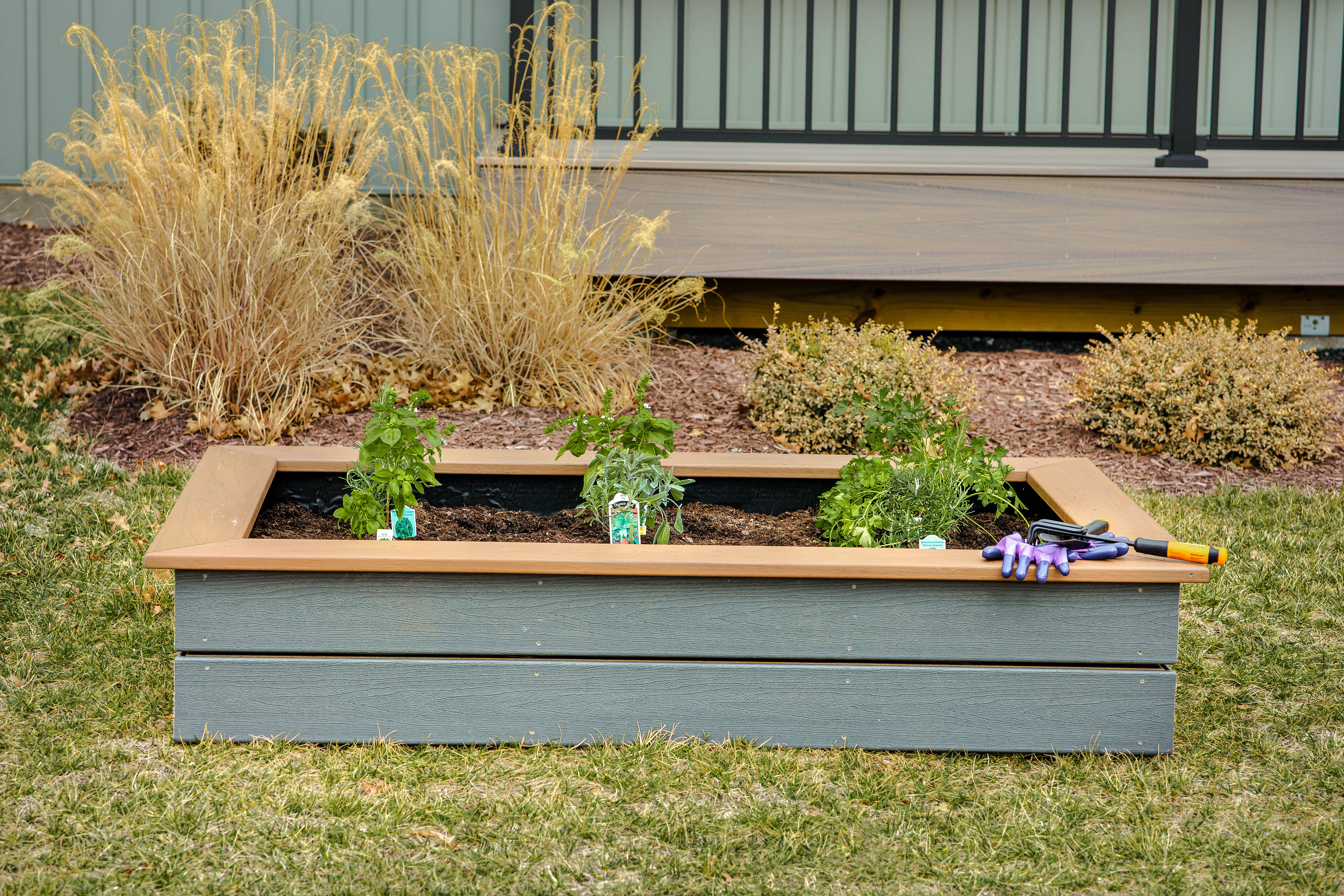
Maintaining a raised garden bed made from composite decking keeps it looking good and lasting longer. Composite materials resist rot and insects, but they still need care. Simple maintenance helps avoid damage and keeps your garden healthy. Follow these tips to protect your investment and enjoy your raised bed for years.
Cleaning Composite Surfaces
Clean composite surfaces regularly to remove dirt and debris. Use a soft brush or broom to sweep off loose dirt. For tougher stains, use warm water with mild soap. Avoid harsh chemicals or bleach as they can damage the surface. Rinse thoroughly with clean water to remove soap residue. Dry with a soft cloth or let air dry. Regular cleaning stops mold and mildew from growing.
Seasonal Care For Longevity
Check your raised bed at the start of each season. Clear away fallen leaves and debris to prevent moisture build-up. Inspect for any cracks or loose parts and repair them quickly. In winter, remove snow to avoid excessive weight and moisture. Cover your bed if heavy frost or ice is expected. Proper seasonal care keeps the composite strong and looking new.
Credit: uk.trex.com
Frequently Asked Questions
What Are The Benefits Of Using Composite Decking For Raised Beds?
Composite decking lasts longer and resists rot and insects. It needs little maintenance and looks clean over time.
How Do I Prepare The Ground For A Raised Garden Bed?
Clear grass and weeds from the area. Level the soil and add a weed barrier if needed.
What Tools Are Needed To Build A Composite Raised Garden Bed?
You will need a saw, drill, screws, measuring tape, and a level. These tools help cut and assemble the boards.
How Deep Should A Raised Garden Bed Be For Vegetables?
Most vegetables grow well in 12 to 18 inches of soil. This depth allows roots to spread and plants to thrive.
Can Composite Decking Materials Be Recycled After Use?
Yes, many composite decking products can be recycled. Check with local recycling centers for options.
Conclusion
Building a raised garden bed with composite decking is simple and rewarding. Composite boards last long and resist weather well. You save time on repairs and maintenance. Choose the right size and location for your bed. Fill it with good soil and plant your favorites.
Enjoy fresh veggies and flowers all season. A sturdy bed makes gardening easier and cleaner. Try this project to enhance your outdoor space today.