
If you’ve ever struggled to grow a garden on a sloped yard, you know how tricky it can be. Uneven ground makes planting tough, water can run off too fast, and soil often washes away.
But what if you could turn that slope into a perfect spot for your garden? Building a raised bed on a slope is the solution you need. It keeps your soil in place, improves drainage, and creates a level space for your plants to thrive.
You’ll discover simple, step-by-step tips to build your own raised bed on a slope—no matter your skill level. Ready to transform your garden and make the most of your outdoor space? Let’s get started.
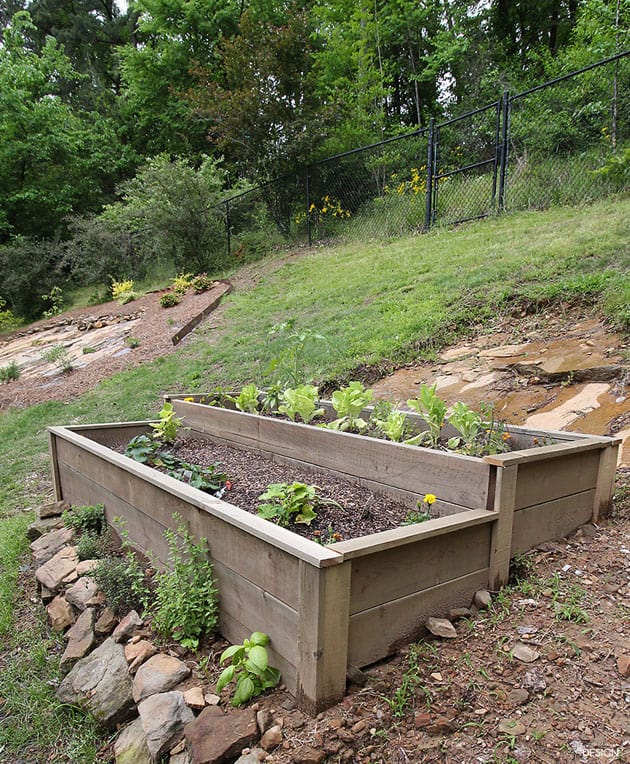
Credit: deeplysouthernhome.com
Choosing The Right Location
Choosing the right location for your raised bed on a slope is very important. It affects how well your plants grow and how easy it is to maintain the bed. You need to study your space carefully before starting. Look at sunlight, soil, and the slope itself. These factors help you pick the best spot for healthy plants and less work.
Assessing Sunlight Exposure
Plants need sunlight to grow strong. Watch your slope during the day. Note which areas get the most sun. Aim for at least six hours of sunlight a day. Avoid spots shaded by trees or buildings. Sunlight helps plants produce food through photosynthesis. More sun means healthier plants and bigger harvests.
Checking Soil Drainage
Good drainage stops water from pooling around roots. Dig a small hole about 12 inches deep. Fill it with water and watch how fast it drains. Water should soak away within a few hours. If water stays too long, soil is too wet. Choose a spot where water drains well. This prevents root rot and keeps plants happy.
Measuring The Slope Angle
Knowing the slope angle helps plan your raised bed. Use a level or a smartphone app to check the slope. Steep slopes need stronger bed walls to hold soil. Gentle slopes are easier to work with. A slope between 5 and 15 degrees is best. This angle lets water flow away without washing soil out.
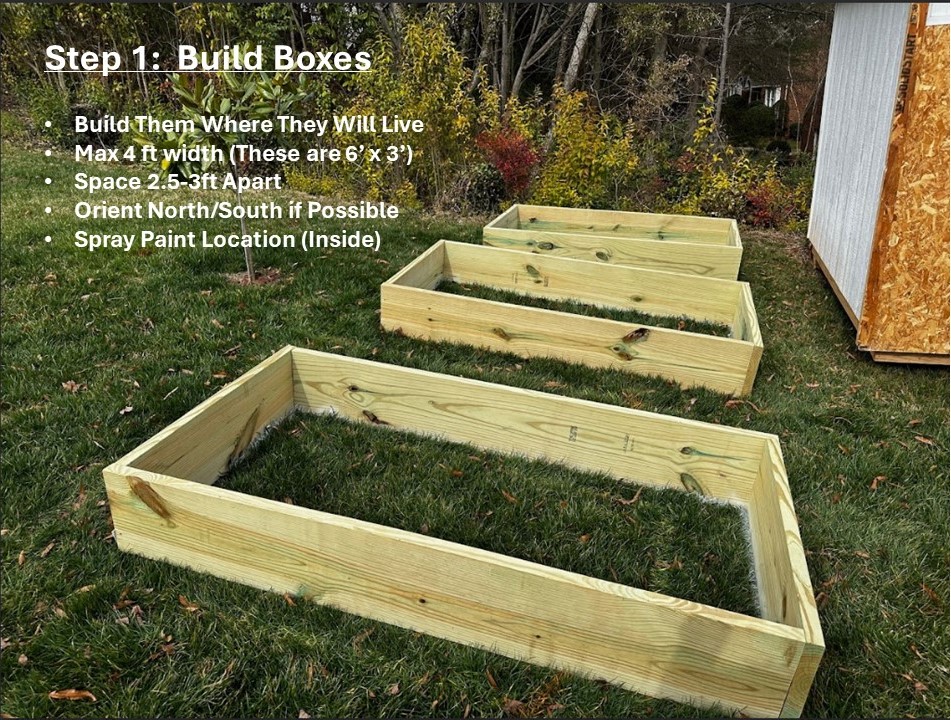
Credit: fifthseasongardening.com
Selecting Materials
Choosing the right materials is a key step in building a raised bed on a slope. The materials must support the soil and plants. They also need to hold up well against weather and moisture. Picking the right wood or alternatives, tools, and soil will make your raised bed last longer and grow better plants.
Types Of Wood And Alternatives
Cedar and redwood resist rot and insects. They last longer outdoors. Pine is cheaper but may need treatment to resist moisture. Avoid pressure-treated wood with harmful chemicals. For a natural look, try stone or bricks. Recycled plastic lumber lasts long and needs no maintenance. Choose materials that fit your budget and style.
Tools You’ll Need
Basic tools make the job easier. A saw helps cut wood to size. A drill or screwdriver is needed for screws. Use a level to keep sides even. A shovel will help move soil and dig holes. Gloves protect your hands. Measuring tape ensures accurate cuts. These tools help build a strong, safe raised bed.
Soil And Compost Options
Good soil supports plant roots and holds water. Mix garden soil with compost for nutrients. Compost improves soil texture and fertility. Choose organic compost free from chemicals. Add sand or perlite for better drainage on slopes. Avoid heavy clay soil that holds too much water. Healthy soil means strong plants and better harvests.
Preparing The Slope
Preparing the slope is the first step to building a strong raised bed. It makes sure your garden stays stable and healthy. A well-prepared slope stops soil from washing away and helps plants grow better. Follow these steps to get the slope ready for your raised bed.
Clearing The Area
Remove all grass, weeds, and rocks from the slope. Clear the space where the raised bed will sit. This gives you a clean area to work with. Use a shovel or hoe to dig out roots and debris. Keep the soil loose and easy to shape.
Leveling Techniques
Leveling the slope creates a flat surface for your bed. Use a shovel to cut into the hill on the upper side. Move the soil to the lower side to fill gaps. A garden rake helps smooth and even out the soil. Check the level with a board and a level tool. This keeps water from running off too fast.
Installing Erosion Control
Stop soil from washing away with erosion control methods. Lay down landscape fabric or mulch to hold soil in place. You can also use small rocks or wood chips on the slope. Plant ground covers or grasses to protect the soil. These steps keep your raised bed safe and strong over time.
Building The Raised Bed Frame
Building the raised bed frame on a slope requires careful planning and strong materials. The frame holds the soil and plants in place. It must resist soil pressure and keep the structure steady. A well-built frame prevents soil erosion and supports healthy plant growth.
Designing For Stability
Start by measuring the slope and deciding the bed size. Design the frame wider at the bottom for better balance. Use thick, durable wood like cedar or redwood. These woods resist rot and last longer outdoors. Square or rectangular shapes work best on slopes. Plan to add cross supports inside the frame to keep it firm.
Constructing Retaining Walls
Retaining walls stop soil from sliding down the slope. Build walls on the downhill side using strong materials. Stack heavy timber or bricks tightly for a solid barrier. Add gravel behind walls for drainage. Good drainage keeps water from building pressure on the frame. Make walls tall enough to hold the soil but not block sunlight.
Securing The Frame On The Slope
Fix the frame firmly to the ground. Drive stakes deep into the slope at corners and sides. Attach the frame to stakes using screws or metal brackets. Check the frame is level side to side. Use a level tool for accuracy. This keeps soil even and plants healthy. Secure frames prevent shifting during rain or wind.
Filling And Planting
Filling and planting a raised bed on a slope requires careful attention to soil layers and plant choice. Proper filling helps prevent soil erosion and supports healthy plant growth. The right soil mix keeps water in place and drains excess moisture. Choosing plants that thrive on slopes ensures your garden stays green and strong. Regular watering and maintenance keep your raised bed productive and beautiful.
Layering Soil And Compost
Start by adding a layer of coarse materials like small rocks or gravel. This helps with drainage and prevents water logging. Next, add a mix of garden soil and compost. Compost improves soil nutrients and structure. Layer the soil in 6 to 8 inches deep. Firm the soil gently to avoid air pockets. This layering supports plant roots and retains moisture well.
Choosing Plants For Slopes
Select plants with strong roots to hold soil in place. Ground covers like creeping thyme or sedum work well. Shrubs with deep roots reduce erosion. Choose drought-tolerant plants for sunny slopes. Mix flower types for color and texture. Native plants adapt better to local conditions. Plant densely to protect soil from washing away.
Watering And Maintenance Tips
Water the bed regularly, especially after planting. Use drip irrigation to deliver water directly to roots. Avoid overwatering to prevent soil erosion. Mulch around plants to keep moisture and stop weeds. Check soil moisture often and adjust watering as needed. Remove dead leaves and debris to keep plants healthy. Maintain the bed by topping soil and compost yearly.

Credit: www.youtube.com
Preventing Soil Erosion
Preventing soil erosion is key when building a raised bed on a slope. Without care, rain and wind can wash away soil. This damages plants and weakens the structure. Taking steps to protect the soil keeps your garden healthy and strong. Below are simple ways to stop soil from moving downhill.
Using Mulch And Ground Cover
Mulch acts like a blanket for the soil. It holds moisture and slows water flow. Spread wood chips, straw, or leaves over the soil surface. Ground cover plants also help. They grow low and spread quickly, holding soil with their roots. Both mulch and ground cover reduce erosion by protecting soil from rain impact.
Installing Drainage Solutions
Good drainage prevents water from pooling and washing soil away. Add gravel or small rocks at the bottom of your raised bed. Use perforated pipes or drainage tiles to guide water away. Make gentle slopes or terraces to slow water flow. These steps keep water controlled and stop soil loss on the slope.
Regular Inspection And Repairs
Check your raised bed often, especially after heavy rain. Look for signs of soil movement or damage. Fix small problems quickly to avoid bigger issues. Add more mulch or soil where needed. Replace broken drainage parts. Regular care keeps your slope garden safe from erosion over time.
Frequently Asked Questions
How Do You Level A Raised Bed On A Slope?
Start by measuring the slope’s steepness. Use stakes and string to mark a flat line. Cut and build the bed frame to match the level line.
What Materials Work Best For Raised Beds On Slopes?
Cedar and redwood are good choices because they resist rot. Concrete blocks and treated lumber also provide strong support. Choose materials that can handle soil and water pressure.
How To Prevent Soil Erosion In A Sloped Raised Bed?
Add retaining walls or use stones to hold soil. Plant ground covers or mulch to reduce soil washing away. Water gently to avoid disturbing the soil.
Can I Build A Tiered Raised Bed On A Slope?
Yes, tiered beds help manage steep slopes well. Each level holds soil and plants separately. This method improves drainage and makes gardening easier.
How Deep Should A Raised Bed Be On A Slope?
A depth of 12 to 18 inches works well for most plants. Ensure the bed is deep enough for roots to grow. Adjust depth if you grow root vegetables or larger plants.
Conclusion
Building a raised bed on a slope can improve your garden’s health and look. Start by choosing a good spot and materials that hold soil well. Take your time to level the bed and secure it firmly. Water flows better, and plants grow stronger on slopes with raised beds.
Enjoy gardening with less soil erosion and easier care. Small steps lead to great results in your sloped garden. Keep your raised bed tidy, and watch your plants thrive season after season.