Are you tired of bulky TVs and fireplaces taking up too much space or ruining your room’s look? Building a false wall for your TV and fireplace can be the perfect solution.
It not only hides wires and equipment but also creates a sleek, modern focal point in your living space. Imagine having a stylish setup that blends seamlessly with your décor while keeping everything organized and safe. In this guide, you’ll discover simple steps to build your own false wall—no need to hire expensive professionals.
Ready to transform your room and impress your guests? Let’s get started!
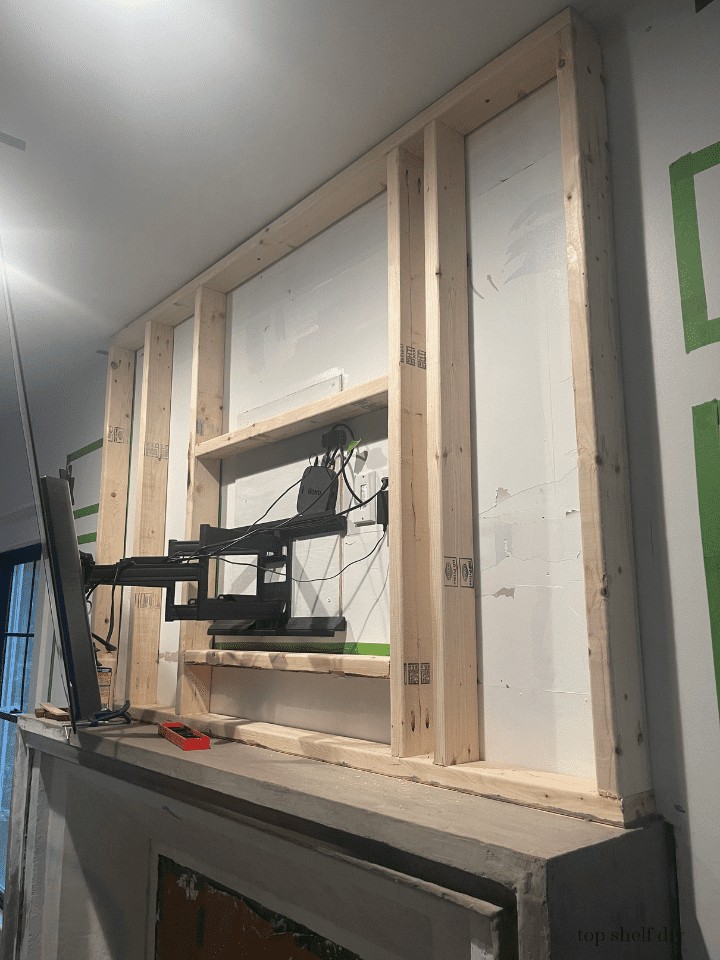
Credit: topshelfdiy.com
Planning Your False Wall
Start by measuring the space for your TV and fireplace carefully. Choose materials that are safe and easy to work with. Plan the frame and wiring before building the false wall.
Choosing The Right Location
Start by picking the best spot for your false wall. It should fit both the TV and fireplace comfortably. Check if the wall has enough space for wiring and ventilation. Avoid areas with moisture or direct sunlight. This prevents damage to electronics and materials. Plan where power outlets and cables will go. Make sure the location allows easy access for maintenance.
Measuring Space Accurately
Measure the wall space carefully. Use a tape measure to get exact height, width, and depth. Measure the TV and fireplace dimensions too. Leave extra room for mounting brackets and ventilation gaps. Mark these measurements on paper or a digital plan. Double-check all numbers before buying materials. Precise measurements help avoid costly mistakes during construction.
Selecting Materials
Choose materials that are safe and sturdy. Drywall is common for false walls, but consider moisture-resistant boards near fireplaces. Use wood or metal studs for framing. Pick fire-resistant insulation if needed. Select paint or finishes that match your room’s style. Ensure materials can support the TV’s weight. Quality materials make your false wall last longer and look better.
Gathering Tools And Supplies
Building a false wall for your TV and fireplace needs careful preparation. Gathering the right tools and supplies makes the job smoother. It saves time and helps avoid mistakes. This section lists what you need to start your project with confidence.
Essential Tools List
First, you need a tape measure to get exact dimensions. A level keeps your wall straight and even. A stud finder helps locate the studs behind the wall for secure fixing. Use a power drill with various drill bits for fast screwing and holes. A saw, either hand or electric, cuts the drywall and wood. Don’t forget a utility knife for trimming edges. Sandpaper or a sanding block smooths rough surfaces. A screwdriver set comes in handy for detailed work. Safety gear like gloves and goggles protect your hands and eyes.
Recommended Materials
Choose drywall sheets for the wall surface. Wood studs or metal framing provide a strong structure. Drywall screws hold the drywall to the frame. Joint compound fills gaps and smooths seams. Drywall tape reinforces joints to prevent cracks. Primer and paint give the wall a finished look. Consider fire-resistant materials near the fireplace for safety. Cable management tools keep wires hidden and neat. Use mounting brackets to secure the TV firmly.
Preparing The Area
Preparing the area is the first step in building a false wall for your TV and fireplace. A clean and safe workspace makes the project easier and faster. Taking time to prepare helps avoid damage and accidents.
Clearing The Space
Remove all furniture and items near the wall. This creates room to work and prevents damage. Clear away rugs, decorations, and electronics.
Make sure the floor is free of clutter. A clear space lets you move tools and materials freely. It also helps keep your work area organized.
Protecting Floors And Furniture
Cover floors with drop cloths or plastic sheets. This protects from dust, paint, and scratches. Use painter’s tape to hold covers in place.
Move any furniture that cannot be removed to the center of the room. Wrap it with blankets or plastic to keep it safe. Protecting your belongings is important before starting construction.
Building The Frame
Building the frame is the key step in creating a false wall for your TV and fireplace. It forms the skeleton that supports the entire structure. The frame must be strong and well-aligned to hold drywall and finish materials securely.
Take your time to measure and plan carefully. A solid frame ensures your false wall looks neat and lasts for years. The process involves marking the wall layout, cutting and assembling studs, and securing the frame to the existing wall.
Marking Wall Layout
Start by marking the wall layout on the floor and ceiling. Use a pencil and a level to draw straight lines. These lines show where the frame will stand. Mark the edges of the TV and fireplace openings clearly. Check the measurements twice before cutting. Accurate marks help avoid mistakes later.
Cutting And Assembling Studs
Cut the studs to the correct lengths using a saw. Use 2×4 lumber for a strong frame. Assemble the studs into a rectangular shape. Place vertical studs at regular intervals, usually 16 inches apart. This spacing supports drywall well. Join the studs with nails or screws. Keep the frame square and even.
Securing The Frame To Existing Wall
Attach the frame to the existing wall using screws or nails. Find studs behind the wall to secure your frame firmly. Use a drill to make pilot holes for screws. Check the frame with a level as you work. Make sure it is flush and straight. Secure the bottom of the frame to the floor for stability.
Installing Drywall
Installing drywall is a key step in building a false wall for your TV and fireplace. It creates a smooth, clean surface ready for paint or finish. Proper drywall installation makes the wall sturdy and neat. Follow each step carefully for the best results.
Cutting Drywall Panels
Measure the frame dimensions carefully before cutting. Use a utility knife to score the drywall panel along the measured line. Snap the drywall along the scored line by lifting it gently. Cut the paper backing on the other side to separate the piece. Always wear safety glasses to protect your eyes from dust.
Attaching Drywall To Frame
Place the drywall panel against the wooden frame. Use drywall screws to attach it firmly. Space screws about 12 inches apart for strong support. Drive screws just below the surface but avoid breaking the drywall paper. Check that the panel sits flush and adjust as needed.
Taping And Mudding Seams
Cover joints between panels with drywall tape. Apply a thin layer of joint compound (mud) over the tape. Smooth the mud with a drywall knife to blend seams. Let it dry completely before sanding lightly. Repeat the mudding and sanding process two times for a perfect finish.

Credit: www.youtube.com
Creating Openings For Tv And Fireplace
Creating openings for your TV and fireplace in a false wall is a key step. It allows you to fit these features neatly and securely. Careful planning and precise work are needed to get the right size and shape. This process helps make the wall look clean and professional.
Measure twice, cut once. Accuracy is important to avoid gaps or tight fits. You will mark the wall, cut the drywall, and frame the openings. Each step builds on the last to create a perfect space for your TV and fireplace.
Measuring And Marking Cutouts
Start by measuring your TV and fireplace dimensions. Note the height, width, and depth of each unit. Add a small gap around each item for ventilation and fitting.
Use a pencil and a level to mark the exact outlines on the drywall. Double-check all measurements to ensure accuracy. Mark the cut lines clearly to follow them easily during cutting.
Cutting Drywall For Openings
Use a drywall saw or utility knife to cut along the marked lines. Cut slowly and steadily to keep edges clean and straight. Remove the drywall piece carefully to avoid damage to surrounding areas.
Check the opening size by placing the TV or fireplace into the cutout. Make small adjustments if needed for a snug fit. Smooth rough edges with sandpaper for a neat finish.
Framing Around Cutouts
Build a wooden frame inside the wall to support the drywall openings. Use 2×4 lumber or similar sturdy material. Attach the frame securely to the wall studs for strength and stability.
Frame the perimeter of each cutout precisely, matching the marked dimensions. This frame holds the drywall edges and supports the TV and fireplace weight. Ensure the frame is level and square before attaching drywall.
Finishing Touches
Finishing touches bring your false wall to life. They make the surface look smooth and neat. These final steps prepare the wall for its main features. The TV and fireplace will sit perfectly once done. Follow these steps to complete your project with care.
Sanding And Smoothing Surfaces
Start by sanding the wall surface carefully. Use fine-grit sandpaper for a smooth finish. Sand down any bumps or rough edges. Wipe off dust with a clean cloth. A smooth surface helps paint or wallpaper stick well. This step creates a polished look for your wall.
Painting Or Wallpapering
Choose paint or wallpaper that matches your room style. Apply primer first if you paint. It helps the color stay longer. Use even strokes to avoid streaks. Let the paint dry fully before adding a second coat. Wallpaper must be applied carefully, smoothing out air bubbles. This step gives your wall personality and charm.
Installing Tv Mount And Fireplace
Secure the TV mount firmly to the wall studs. Double-check the level to keep your TV straight. Follow the fireplace instructions for safe installation. Connect power sources carefully and test the unit. Proper installation ensures safety and functionality. Your wall is now ready to impress with style and comfort.
Safety Tips And Maintenance
Building a false wall for your TV and fireplace adds style and function. Safety and upkeep are key for lasting results. This section covers important safety tips and maintenance steps.
Ensuring Structural Stability
Check the frame before adding drywall or panels. Use strong wood studs or metal framing for support. Make sure the wall can hold the weight of the TV and fireplace. Secure all parts tightly to avoid movement. Proper anchoring keeps the wall safe and steady.
Fire Safety Precautions
Keep fire-rated materials near the fireplace. Leave space for heat to escape. Do not cover vents or block airflow. Use non-flammable materials around the fireplace area. Install a smoke detector nearby for extra safety. These steps reduce fire risks and protect your home.
Regular Wall Inspection
Look for cracks or loose panels regularly. Check for signs of water damage or mold. Tighten screws and nails as needed. Clean dust from vents and fireplace parts. Early fixes prevent bigger problems. Set a schedule to inspect the wall every few months.
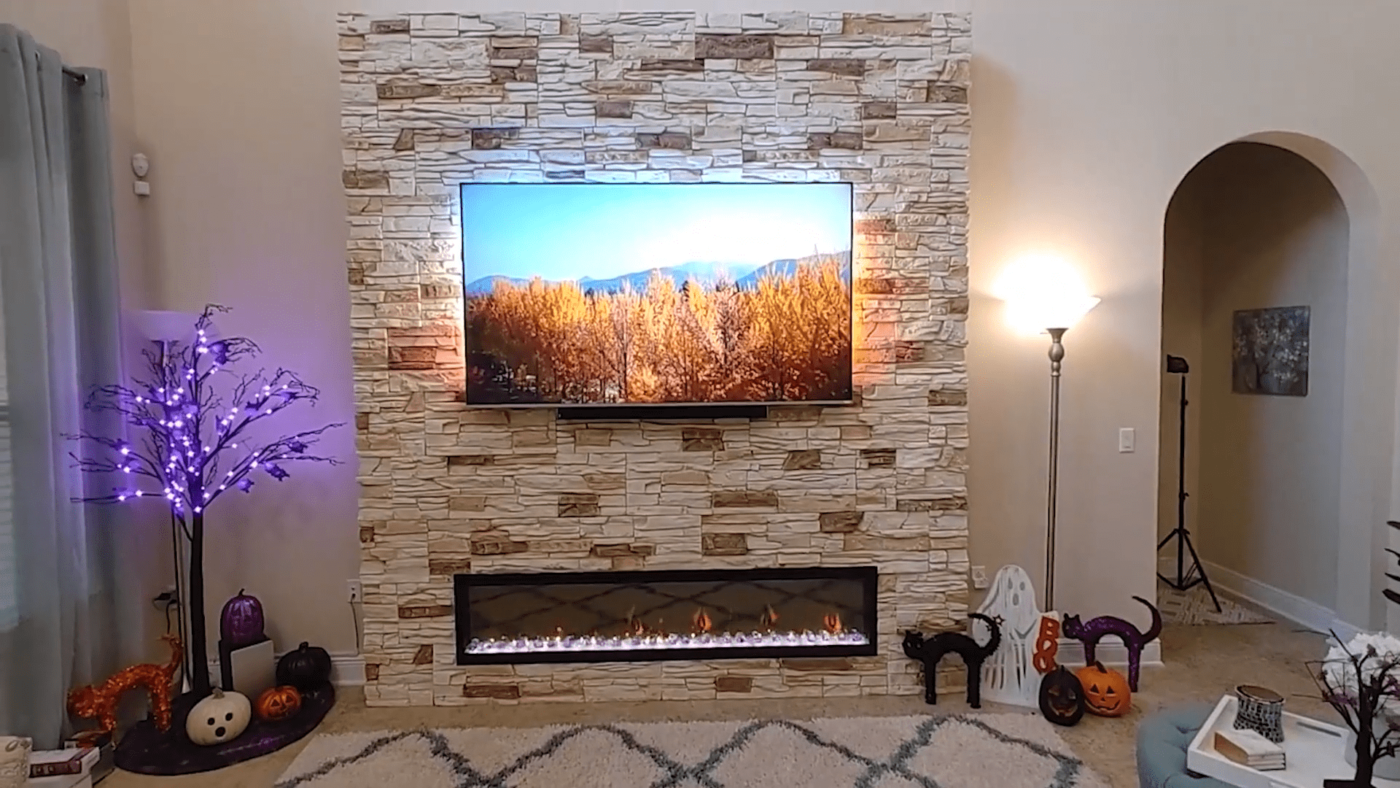
Credit: genstone.com
Frequently Asked Questions
What Materials Do I Need To Build A False Wall?
You need wood studs, drywall, screws, joint compound, and paint. Tools like a saw, drill, and level are also important. These basics help create a strong and smooth wall.
How Do I Hide Cables Behind The False Wall?
Cut small holes in the drywall to run cables through. Use cable clips or channels to keep wires neat and safe. This keeps your space tidy and wires hidden.
Can I Install Shelves On A False Wall For Tv Decor?
Yes, anchor shelves to the wood studs for strong support. Use brackets and screws rated for the shelf weight. This allows you to display decor safely.
How Close Should The False Wall Be To The Fireplace?
Leave a safe gap according to your fireplace manual, usually a few inches. This prevents heat damage and allows airflow. Safety is key for wall placement.
What Is The Best Paint Finish For A False Wall?
Use matte or eggshell finishes to reduce glare and hide imperfections. These finishes give a smooth, clean look that works well with TVs. They are easy to clean too.
Conclusion
Building a false wall for your TV and fireplace can change your room’s look. It creates a clean, modern space that hides wires and clutter. The process is simple if you follow the right steps carefully. Take your time measuring and cutting materials to fit perfectly.
This project adds both style and function to your home. Enjoy the cozy feel and neat design your new wall brings. A little effort goes a long way in improving your living area.