Are your bean bag boards sliding around every time you try to use them? It can be frustrating when you want to enjoy your game or activity, but the slippery surface keeps getting in the way.
You’re not alone—many people struggle with this problem. The good news is, there are simple and effective ways to make your bean bag boards less slippery. Keep reading, and you’ll discover easy tips and tricks that can transform your game experience, making it more fun and hassle-free.
Don’t let a slippery board spoil your playtime—find out how to fix it now!
Causes Of Slippery Bean Bag Boards
Bean bag boards can become slippery for several reasons. Understanding these causes helps to keep the board safe and fun to use. Slippery surfaces reduce control and may cause accidents. Identifying the main factors behind slipperiness is the first step to fixing the problem.
Material Types And Surface Texture
Some materials are naturally slick, making bean bag boards slippery. Smooth plastic or polished wood often lacks grip. Rough surfaces provide better traction and control. The texture affects how well the bean bag stays in place. Choosing the right material can reduce slipperiness.
Wear And Tear Effects
Over time, bean bag boards lose their grip due to wear. Constant use smooths out rough surfaces. Scratches and dents can also affect traction. Worn-out boards often feel slick and less safe. Regular inspection can spot these issues early.
Environmental Factors
Moisture and dust make bean bag boards slippery. Wet surfaces cause the bean bags to slide easily. Dust buildup reduces friction between the bag and board. Temperature changes can affect surface texture. Keeping the board clean and dry helps maintain grip.
Simple Home Fixes To Reduce Slippage
Bean bag boards can slip easily on smooth floors. This causes trouble during games and can be unsafe. Simple home fixes can help make your bean bag board stay put. These solutions use items you might already have at home or can buy cheaply.
These fixes work well and do not need special tools or skills. They improve grip and stop the board from sliding. Try these ideas to keep your game steady and fun.
Using Non-slip Pads Or Mats
Place non-slip pads or mats under the bean bag board. These pads add friction between the board and the floor. They stop the board from sliding on wood, tile, or laminate floors.
Cut the pads to fit the board’s corners or edges. Make sure the pads are clean and dry before use. This fix is easy and does not change the board.
Applying Grip Tape Or Adhesive Strips
Grip tape or adhesive strips stick well to the bottom of the board. They create a rough surface that grips the floor. Use strips designed for shoes, sports equipment, or stairs.
Clean the board bottom before applying the tape. Press firmly to avoid bubbles or peeling. Grip tape lasts long and works on many floor types.
Spraying Anti-slip Coatings
Anti-slip sprays add a sticky layer to the board’s base. These sprays improve traction without changing the board’s look. Spray evenly and let it dry completely.
Test the spray on a small area first. Choose sprays that are safe for indoor use. This method keeps the board steady on slippery floors.
Diy Solutions With Common Household Items
Making bean bag boards less slippery can be simple using items found at home. These DIY methods save money and time. They also improve safety during play. Each idea uses easy steps and common materials. Try one or mix a few for the best grip.
Rubber Shelf Liner Techniques
Rubber shelf liners provide great grip for bean bag boards. Cut a piece to fit the board’s bottom. Place it under the board to stop slipping. The rubber texture grips smooth surfaces well. This method is cheap and easy. It also works on different floor types like wood or tile.
Velcro Strips For Stability
Velcro strips help keep the board in place. Attach one side of the strip to the board’s bottom. Stick the other side on the floor or a mat. The Velcro holds the board steady during use. It is quick to install and remove. This solution works well on carpet or fabric surfaces.
Silicone Caulk For Traction
Silicone caulk creates small bumps on the board’s underside. Apply dots or lines of caulk evenly. Let it dry completely before use. The textured surface stops slipping on smooth floors. This method lasts long and adds strong grip. Silicone is also flexible, so it won’t damage floors.

Credit: www.youtube.com
Choosing The Right Materials For Replacement
Choosing the right materials for replacement can reduce slipperiness of bean bag boards. It helps make the surface safer and more comfortable. Selecting materials with good grip is important for stability and control. Different materials offer unique textures and levels of friction. Understanding these options will guide you to pick the best replacement material.
Non-slip Fabrics And Covers
Non-slip fabrics add grip to bean bag boards effectively. Materials like suede, microfiber, and polyester blends offer good traction. These fabrics reduce sliding without feeling rough or uncomfortable. Covers made from these fabrics are easy to fit and remove for cleaning. They also come in many colors and designs to match your style.
Textured Paint Options
Textured paint creates a rough surface on bean bag boards. It increases friction between the board and the bean bag. Options like sand-textured or rubberized paint provide excellent grip. Applying textured paint is a simple and lasting way to reduce slipperiness. It also protects the board from scratches and wear.
Rubberized Surface Alternatives
Rubberized surfaces offer strong grip and cushioning for bean bag boards. These can be added as sheets or sprays. Rubber mats or pads also work well as replacements. The material is durable and resists wear over time. Rubberized surfaces prevent slipping even on smooth floors.
Maintenance Tips To Keep Boards Grippy
Keeping bean bag boards grippy is key to enjoying the game safely and fully. Simple maintenance steps help maintain a good grip and reduce slips. Regular care stops the board from becoming slippery and keeps it fun to use.
Regular Cleaning Methods
Clean the board surface often to remove dust and dirt. Use a soft cloth with mild soap and water. Wipe gently to avoid damaging the board’s texture. Dry the surface completely after cleaning to prevent moisture buildup. Avoid harsh chemicals that can wear out the grip.
Avoiding Slippery Residues
Do not use oily or greasy products near the board. Avoid sprays, lotions, or food near the playing area. These can leave slippery residues that reduce grip. If residue appears, clean it immediately with soap and water. Keep the surrounding floor clean to prevent dirt transfer.
Inspecting For Damage
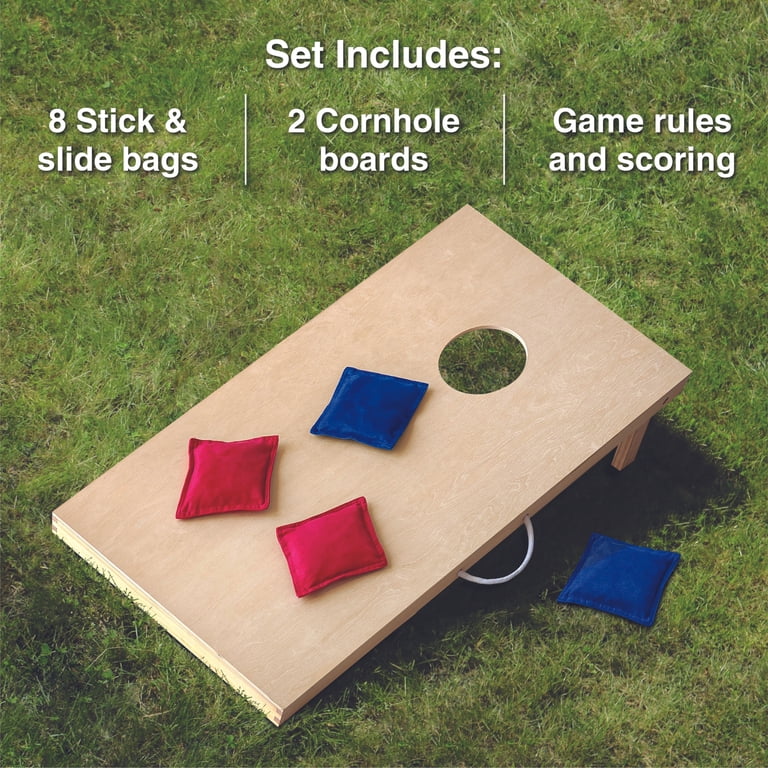
Check the board regularly for cracks or worn spots. Damaged areas can cause uneven grip and slips. Replace or repair the board if damage is found. Look at the bean bag too; worn or torn bags may affect control. Maintaining both board and bags ensures a safer game.
Credit: www.walmart.com
When To Replace Your Bean Bag Board
Knowing when to replace your bean bag board is key to keeping your bean bag safe and fun. Over time, the board may wear out and become too slippery. This can make the game less enjoyable and even unsafe. Recognizing the right moment to get a new board can save you trouble later.
Signs Of Irreparable Slippage
Look for deep scratches or worn-out patches on the board’s surface. These marks reduce grip and cause constant slipping. If adding grip pads or tape does not help, the board might be beyond repair. Warped or cracked boards also lose stability and cause slips. Check if the board feels uneven or shaky when you play. These signs mean it’s time to replace the board for safety.
Cost Vs. Benefit Of New Boards
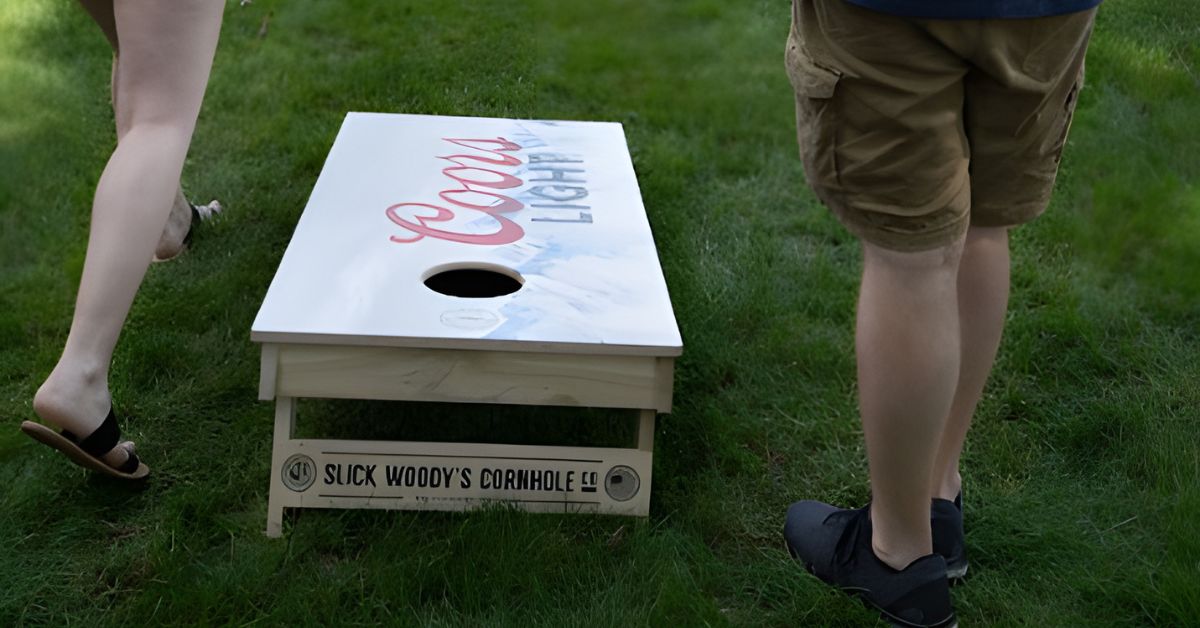
Consider how much a new board costs compared to fixing the old one. Small fixes like grip tape are cheap but only work for minor wear. If repairs need many materials and time, buying new is smarter. A new board offers better grip and safety. It ensures smooth gameplay and lasts longer. Investing in a new board can prevent accidents and improve your bean bag experience.
Credit: www.slickwoodys.com
Frequently Asked Questions
How Can I Make Bean Bag Boards Less Slippery?
Use non-slip mats or rubber pads under the bean bag boards. These add grip and stop sliding on smooth floors.
What Household Items Reduce Slipperiness On Bean Bag Boards?
Place shelf liners or double-sided tape under the board. These inexpensive items increase friction and prevent slipping.
Does Adding Texture To Bean Bag Boards Help Grip?
Yes, adding a textured surface like grip tape improves traction. It helps the board stay steady during use.
Can Bean Bag Board Covers Improve Slip Resistance?
Using fabric covers with rubber backing can reduce slipping. The rubber grips the floor better than bare boards.
How Does Floor Type Affect Bean Bag Board Slipperiness?
Smooth floors like tile or hardwood increase slipping risk. Using non-slip pads is especially important on these surfaces.
Conclusion
Making bean bag boards less slippery improves safety and enjoyment. Use grip tape or non-slip mats to keep boards steady. Clean the board surface regularly to remove dust and dirt. Choose bean bags with textured fabric for better hold. Simple steps like these keep the game fun and secure.
Try these tips to enjoy every toss with confidence. Safe play means more fun for everyone involved.