Is your Dyson vacuum blinking a blue light, and you’re not sure what it means? It can be confusing and even frustrating when your trusted cleaning tool starts acting up.
But don’t worry—this blinking blue light is your vacuum’s way of telling you something important. Understanding what this signal means can save you time, prevent damage, and keep your vacuum working at its best. Keep reading to discover exactly why your Dyson vacuum is blinking blue and how you can fix it quickly and easily.
Why Dyson Vacuum Shows Blue Light
Dyson vacuums use different lights to show their status. The blue light is one of these signals. It tells you about the vacuum’s current condition. Understanding why your Dyson vacuum shows a blue light helps you use it better. It also helps in fixing small problems quickly.
Meaning Of Blue Light Indicator
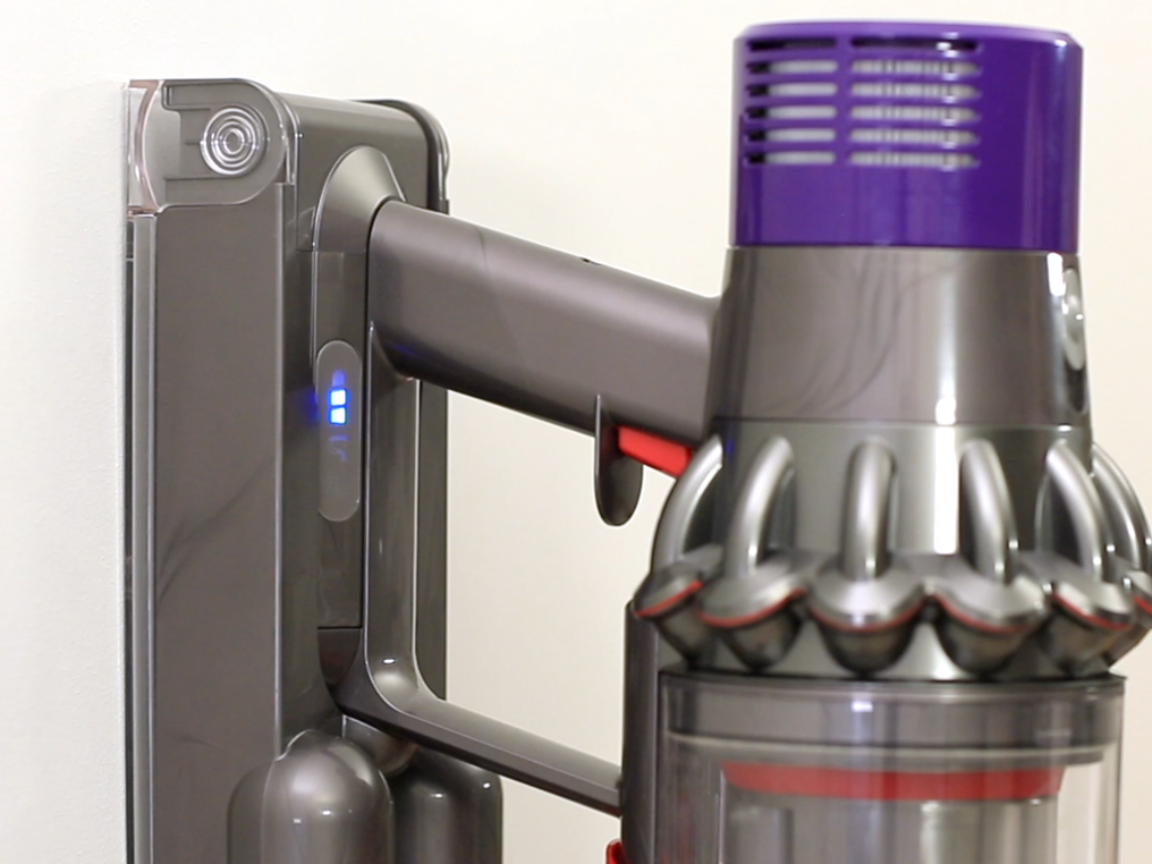
The blue light on a Dyson vacuum usually means the device is charging. It can also show the battery level. A steady blue light often means the vacuum is fully charged. A blinking blue light can mean the vacuum needs attention. This could be about battery or other small issues.
Common Causes Behind Blue Blinking
Blinking blue light often points to a problem. One cause is a poor battery connection. Dirt or dust can block the connection points. Another cause is a battery that is running low. Sometimes, the vacuum is overheating. The blue light blinks to warn you. Cleaning the filters or charging the battery can help.

Credit: www.youtube.com
Battery Issues And Solutions
Battery issues are a common cause of the Dyson vacuum blinking blue light. Understanding these problems helps keep your vacuum working well. Batteries wear out over time and need care or replacement. Knowing the signs of low battery and how to recharge can save you frustration.
This section covers the main battery problems and easy solutions. Follow these tips to improve your vacuum’s battery life and performance.
Low Battery Symptoms
The blue light blinks when the battery is low. You might notice the vacuum runs shorter than usual. Sometimes, it stops suddenly during cleaning. The suction power may also feel weaker. These signs show the battery needs attention.
Steps To Recharge Properly
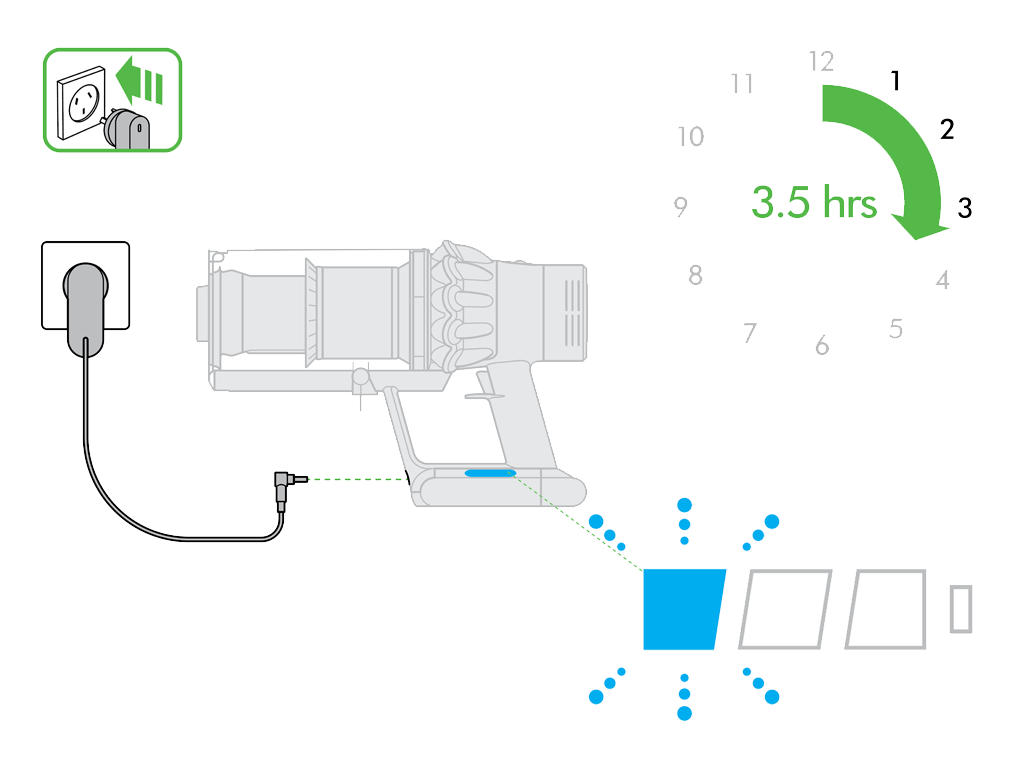
Place the vacuum on its charging dock or plug it in. Use only the charger that came with your Dyson. Allow it to charge fully before use, usually around 3.5 hours. Avoid unplugging early; partial charging reduces battery life. Keep the charging area clean and dry for best results.
When To Replace The Battery
Replace the battery if charging does not fix blinking blue light. If the vacuum runs only a few minutes, the battery is weak. Old batteries lose capacity and cannot hold a full charge. Purchase a genuine Dyson battery for best performance. Replacing the battery restores your vacuum’s power and runtime.
Filter And Blockage Problems
Dyson vacuum cleaners show a blinking blue light to warn about filter and blockage issues. These problems can stop your vacuum from working well. Clean filters and clear blockages keep your vacuum strong and efficient. Understanding these problems helps you fix the blinking blue light quickly.
Identifying Clogged Filters
Clogged filters stop air from passing through your vacuum. This causes the motor to work harder and overheat. The vacuum may lose suction power. Check your vacuum’s filter if the blue light blinks. Dirty filters often look dark or dusty. You might see dust buildup around the filter area.
Cleaning And Replacing Filters
Remove the filter from your Dyson vacuum carefully. Rinse it under cold water until the water runs clear. Do not use soap or detergents. Let the filter dry completely for 24 hours before reinstalling. Replace the filter if it is torn or very dirty. Using a clean filter keeps your vacuum running strong.
Checking For Airflow Blockages
Blockages inside the vacuum affect airflow and cause the blue light. Look inside the hose, wand, and brush bar for clogs. Use a long, flexible tool to clear dirt and hair. Remove debris from the brush bar and air paths. Clear airflow helps your vacuum pick up dirt better.
Credit: support.dyson.com.au
Motor And Sensor Concerns
The blinking blue light on your Dyson vacuum often points to motor and sensor concerns. These parts work together to keep the vacuum running smoothly. Problems here can cause the light to blink and the vacuum to stop working properly.
Understanding these issues can help you fix the vacuum quickly. Knowing the signs of motor overheating and sensor malfunctions is key. Also, learning how to reset the vacuum can solve many common problems.
Motor Overheating Signs
One sign of motor overheating is a strong burning smell. The vacuum may also stop suddenly. The motor might feel very hot to touch. You may hear strange noises from the vacuum. These signs mean the motor needs a break.
Sensor Malfunctions
Sensors check the vacuum’s parts and dirt levels. If sensors fail, the blue light blinks. The vacuum may not turn on or work right. Dust or dirt can block sensors. Cleaning the sensors can fix these issues.
Resetting The Vacuum
Resetting can clear errors causing the blinking light. Turn off the vacuum and unplug it. Wait for about 10 seconds. Plug it back in and turn it on. This can help the motor and sensors work again.
Quick Fixes To Stop Blue Light
The blinking blue light on a Dyson vacuum can be frustrating. It often signals a problem that needs fixing. This section covers quick ways to stop the blue light. These simple steps help save time and get your vacuum working again.
Basic Troubleshooting Steps
First, check the vacuum’s filter. A dirty filter can cause the blue light. Remove and clean the filter with water. Let it dry fully before replacing it. Next, inspect the vacuum for blockages. Look inside the hose and brush bar. Clear any dirt or debris found. Also, check if the battery is charged. Plug in your vacuum and let it charge for a few hours.
Performing A Factory Reset
Resetting the vacuum can clear errors causing the blue light. To reset, turn off the vacuum. Press and hold the power button for 10 seconds. Release the button and wait a moment. Turn the vacuum back on. The blue light should stop blinking. This step resets the vacuum’s system to default settings.
When To Contact Dyson Support
If the blue light keeps blinking after fixes, contact Dyson support. The issue might be a deeper problem. Dyson experts can offer specific advice or repair options. Use their official website or call their support line. Keep your vacuum’s model number handy for faster service.
Credit: support.dyson.com.au
Frequently Asked Questions
What Does The Blinking Blue Light On Dyson Vacuum Mean?
The blinking blue light shows the vacuum needs charging. It usually means the battery is low or empty.
How Long Does Dyson Vacuum Take To Stop Blinking Blue?
The blinking stops once the battery is fully charged. Charging time varies but usually takes around 3. 5 hours.
Can Blinking Blue Light Indicate A Vacuum Fault?
Yes, a blinking blue light can signal an error. Check the vacuum’s filter and brush bar for blockages.
How To Fix Dyson Vacuum Blinking Blue Light Issue?
Try charging the vacuum fully and cleaning filters. Reset the vacuum by turning it off and on again.
Is Blinking Blue Light Normal During Vacuum Charging?
Yes, blinking blue light is normal while charging. It changes to solid blue when the battery is full.
Conclusion
A blinking blue light on your Dyson vacuum signals a need for attention. Check the battery, filters, and brush bar for any issues. Clearing blockages often stops the blinking light. Regular maintenance keeps your vacuum working well. Understanding these simple steps helps you avoid downtime.
Stay calm and follow the guide to fix the problem fast. Your vacuum will be ready to clean again in no time. Remember, small fixes can prevent bigger troubles later. Keep your Dyson in top shape with easy care.