
Are you staring at your beautiful Nichols and Stone chair and wondering how to bring out its true charm? Dating a Nichols and Stone chair isn’t just about knowing its age—it’s about discovering its story, its value, and how it fits into your space.
If you want to unlock the secrets hidden in every curve and detail, you’re in the right place. Keep reading, and you’ll learn simple, effective steps to date your chair like an expert—making your piece even more special and valuable to you.
History Of Nichols And Stone Chairs
Nichols and Stone chairs have a rich history that reflects skilled craftsmanship and timeless design. These chairs are prized by collectors and furniture lovers. Understanding their history helps to date each piece accurately. The story begins with the company’s early days and highlights changes in style over time.
Origins And Craftsmanship
Nichols and Stone started in the early 1900s in Massachusetts. The company became known for quality wood furniture. Craftsmen focused on strong joints and smooth finishes. Each chair was handmade with care. The use of solid hardwoods like oak and maple was common. This attention to detail gave Nichols and Stone chairs long-lasting strength. Their work combined traditional skills with efficient production methods.
Design Evolution Over Time
Early Nichols and Stone chairs featured simple, classic lines. They often included turned legs and spindles. As tastes changed, designs became more varied. Mid-century models introduced cleaner, more modern shapes. Some later chairs showed Art Deco or Shaker influences. The finish also evolved, from natural wood to darker stains. These shifts help identify the chair’s age. Each era reflects the style trends and customer preferences of its time.
Identifying Authentic Nichols And Stone Chairs
Identifying an authentic Nichols and Stone chair is essential for collectors and enthusiasts. These chairs have distinct features that set them apart from copies or fakes. Recognizing these details helps ensure you have a genuine piece of craftsmanship.
Authentic Nichols and Stone chairs show careful design and quality materials. Each chair tells a story through its markings and build. Learning to spot these signs makes collecting more rewarding.
Key Markings And Labels
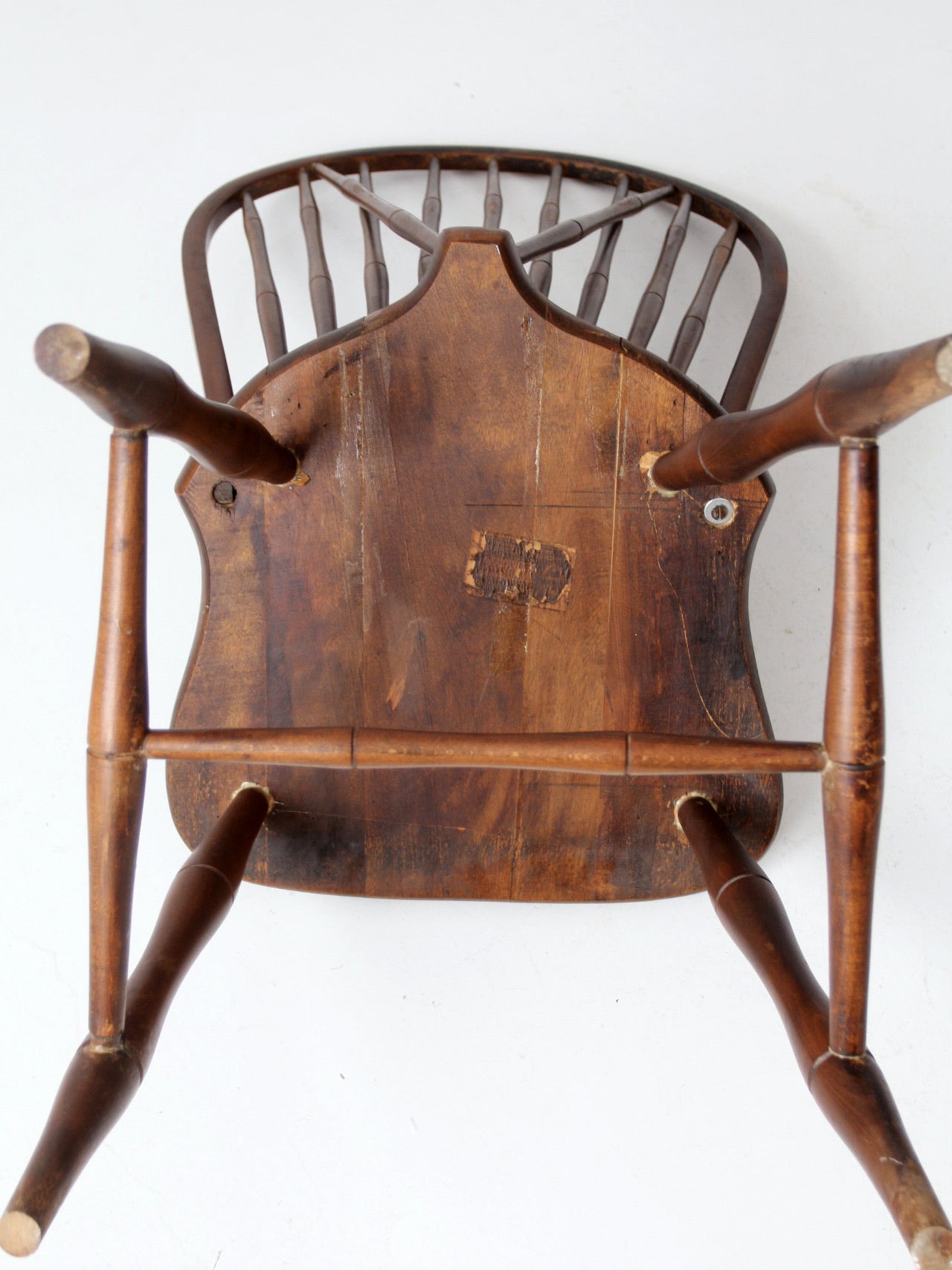
Look closely for stamps or labels on the chair’s frame. Nichols and Stone chairs often have a clear maker’s mark. This mark may be engraved or printed on the underside or back.
Some chairs feature paper labels with the company name and location. The font and style of these labels are consistent across authentic pieces. Faded or missing labels do not always mean the chair is fake.
Check for any serial numbers or signatures. These details add to the chair’s authenticity. Many Nichols and Stone chairs include these unique identifiers.
Materials And Construction
Authentic chairs use high-quality wood like oak or maple. The wood grain is smooth and well-finished. The joints are tight, showing expert craftsmanship.
The chair’s legs and arms are sturdy, not flimsy or weak. The wood should feel solid and heavy. Look for signs of hand carving or detailed shaping.
Upholstery, if original, uses durable fabric or leather. Stitching is neat and evenly spaced. The padding is firm, indicating good support and comfort.
Assessing Chair Condition
Assessing the condition of a Nichols and Stone chair is essential before dating it. This step helps you understand the chair’s history and value. You need to examine the chair carefully for signs of age and damage. Each mark or scratch tells a story about the chair’s past. Knowing what to look for saves time and money in the long run.
Common Wear And Damage
Look for scratches, dents, and chips on the wood surface. Check the joints to see if they are loose or repaired. The finish might show signs of fading or discoloration. Upholstery can have tears, stains, or fading too. Some wear is normal and adds character. Too much damage may lower the chair’s value.
Restoration Vs Preservation
Decide if you want to restore or preserve the chair. Restoration means fixing damage to make it look new. This can include refinishing wood or reupholstering. Preservation keeps the chair’s original look and condition. It may involve cleaning but no major repairs. Preservation often keeps the chair’s value higher.
Credit: www.antiquers.com
Dating Techniques For Nichols And Stone Chairs
Dating a Nichols and Stone chair helps understand its history and value. Careful examination reveals clues about its age and origin. Several techniques work well for this task.
Focus on the chair’s style, wood, and construction. Each detail tells a part of its story. These steps guide you through the process clearly.
Style And Design Clues
Start by studying the chair’s overall design. Look at the shape of the legs and arms. Compare these features to known Nichols and Stone styles. Certain patterns match specific time periods. Check for carved details or unique markings. These often link to a particular decade or craftsman.
Wood Type And Finish Analysis
Identify the type of wood used in the chair. Nichols and Stone often used cherry, maple, or walnut. Wood aging shows through its color and texture. The finish can reveal if the chair is original or restored. Older finishes usually have a softer, worn look. Newer finishes tend to be shiny and smooth.
Joinery And Hardware Examination
Look closely at how the chair parts join together. Hand-cut dovetails or mortise-and-tenon joints indicate older pieces. Machine-cut joints suggest a more recent build. Check the screws and nails for signs of age. Handmade nails and screws differ from modern fasteners. Examine any metal hardware for maker’s marks or wear.
Resources For Research
Research is key to dating a Nichols and Stone chair. It helps confirm the chair’s age and authenticity. Good resources guide you through details like design styles, materials, and maker marks. They also explain how the company evolved over time. This knowledge makes dating easier and more accurate.
Start with trusted sources. Books and catalogs often contain detailed pictures and descriptions. Online tools offer community insights and updated information. Combining these resources gives a clearer picture of your chair’s history.
Reference Books And Catalogs
Reference books provide in-depth information on Nichols and Stone furniture. They include photos, production dates, and style changes. Antique furniture guides often have chapters dedicated to American makers like Nichols and Stone. Vintage catalogs show original designs and model numbers. These details help identify your chair’s production period. Libraries and bookstores may carry these books. Some can be found as digital copies for easy access.
Online Databases And Forums
Online databases collect images and records of Nichols and Stone chairs. They allow quick searches by style or date. Forums let collectors and experts share knowledge. You can ask questions and post photos for feedback. This interaction helps spot rare features or confirm guesses. Websites dedicated to antique furniture often update their data. Using these tools keeps your research current and thorough.
Expert Tips For Accurate Dating
Dating a Nichols and Stone chair requires careful attention to detail. Expert tips help you find the chair’s true age. This section offers simple ways to check your chair’s history. Accurate dating improves your knowledge and its value.
Consulting Professionals
Experts have years of experience with antique furniture. They can spot subtle clues you might miss. Show them clear photos or the chair itself. Professionals can confirm the chair’s age and origin. Their advice saves time and avoids mistakes.
Documenting Findings
Write down every detail you observe about the chair. Include wood type, marks, and construction style. Take clear photos from different angles. Keep a record of any expert opinions. This information helps track the chair’s history over time.
Common Mistakes To Avoid
Dating a Nichols and Stone chair requires care and attention. Avoiding common mistakes helps protect your investment. These chairs carry history and value. Mistakes can reduce their worth or damage their charm.
Understanding these pitfalls makes the process smoother. Learn what to watch for before you start. Save time and avoid costly errors.
Incorrect Identification Of Style And Era
Many confuse Nichols and Stone chairs with similar styles. This leads to wrong dating and valuation. Study the chair’s design and compare with reliable sources. Look for unique features that mark the era.
Ignoring The Chair’s Condition
Condition affects the chair’s value greatly. Overlooking wear and repairs can mislead your judgment. Check for cracks, loose joints, or replaced parts. Authenticity matters, but condition shapes price and appeal.
Relying Solely On Online Images
Photos do not show all details clearly. Lighting and angles can hide flaws or features. Inspect the chair in person when possible. Use images only as a starting point, not the final word.
Neglecting Provenance And Documentation
Provenance adds to a chair’s story and value. Missing history or paperwork lowers trustworthiness. Ask for receipts, appraisals, or previous ownership details. This information confirms authenticity and origin.
Overpaying Without Market Research
Prices for Nichols and Stone chairs vary widely. Paying too much wastes money and limits resale potential. Check recent sales and market trends. Compare similar pieces before making an offer.

Credit: www.youtube.com
Enhancing Value Through Proper Dating
Properly dating a Nichols and Stone chair adds more than just a date. It brings out the chair’s true value. Knowing its exact age helps buyers and collectors trust its history. It also tells a story that makes the chair special. This knowledge boosts interest and respect for the piece.
Dating a chair correctly also helps protect its original charm. It guides care and repairs in the right way. This keeps the chair authentic and beautiful for years to come.
Impact On Market Price
The age of a Nichols and Stone chair affects its market price. Older chairs often sell for more money. Buyers see them as rare and unique. Accurate dating proves the chair’s true time period. This proof builds confidence in its value. Mistakes in dating can lower its price. Sellers gain better offers with clear, correct dates.
Preserving Historical Integrity
Knowing the chair’s age helps keep its history intact. It guides restorers to use proper materials and methods. This respect for original design keeps the chair’s soul alive. Wrong restoration can damage its look and value. Proper dating makes sure repairs fit the chair’s true time. This care honors the makers and their craft.
Credit: www.86vintage.com
Frequently Asked Questions
What Is The Best Way To Date A Nichols And Stone Chair?
Check the chair’s style, materials, and construction details. Look for labels or stamps that show the maker and date.
How Can I Identify The Age Of Nichols And Stone Chairs?
Look for design features matching historical styles. Check any marks or tags with production dates or codes.
Are There Common Markings On Nichols And Stone Furniture?
Yes, many chairs have labels, stamps, or engraved marks. These often include the company name and sometimes a date.
What Materials Were Used In Nichols And Stone Chairs?
They often used solid wood like mahogany or oak. Upholstery materials can also hint at the chair’s age.
Why Is Dating Nichols And Stone Chairs Important?
Knowing the age helps determine value and authenticity. It also guides proper care and restoration methods.
Conclusion
Dating a Nichols and Stone chair takes care and patience. Clean the wood gently and avoid harsh chemicals. Use the right polish to bring out its shine. Check for loose joints and tighten them carefully. Treat the fabric with soft brushes and mild cleaners.
Keep the chair away from direct sunlight and moisture. Small steps keep your chair looking great for years. Enjoy the comfort and style it adds to your space. Take your time and love your Nichols and Stone chair.