
If you want your Douglas fir to stand strong and look great outdoors, you need to treat it the right way. Untreated wood can quickly fall victim to weather, moisture, and pests.
But don’t worry—by learning a few simple steps, you can protect your wood and make sure it lasts for years. You’ll discover easy and effective ways to treat your Douglas fir. Whether you’re building a deck, fence, or garden furniture, this guide will help you get the best results.
Keep reading to find out how to keep your wood beautiful and durable through every season.
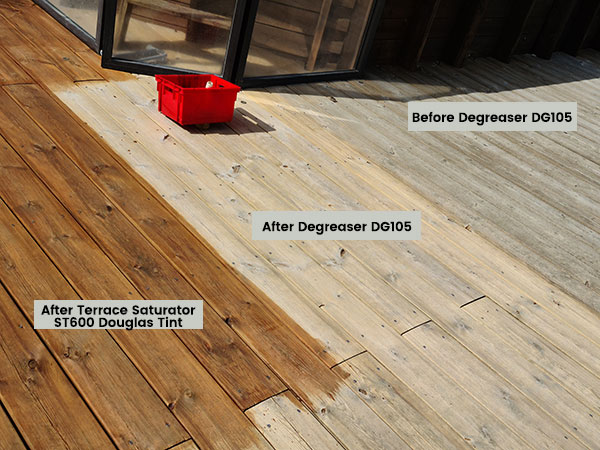
Credit: www.anovabois.com
Choosing Douglas Fir For Outdoors
Douglas fir is a popular wood for outdoor projects. It offers a good balance of strength and beauty. This wood works well for decks, fences, and garden structures. Understanding why Douglas fir suits outdoor use helps make better choices.
Before treating it, consider its natural qualities. Douglas fir has traits that support durability outside. Knowing these traits helps protect it better.
Durability And Strength
Douglas fir is strong and holds up well under pressure. It resists bending and breaking easily. This makes it ideal for outdoor frames and supports.
The wood’s tight grain adds to its toughness. It handles heavy loads and harsh conditions. This strength keeps outdoor projects safe and stable for years.
Natural Resistance To Elements
Douglas fir has some natural protection against weather. It can resist wind and rain better than many woods. This helps prevent quick wear and tear.
It also resists decay to a certain degree. While not fully weatherproof, it stands up longer than softer woods. Treating it boosts this resistance and extends its life outdoors.
Credit: wrighttimberframe.com
Preparing The Wood Surface
Preparing the wood surface is the first step to protect Douglas fir outdoors. The wood needs to be clean and smooth for treatments to work well. Dirt, rough spots, and sticky sap can stop finishes from sticking. Taking time to prepare the wood makes the finish last longer and look better.
Start with cleaning and sanding. This removes dirt and roughness. Then, focus on removing sap and resin. These sticky substances can block sealants and stains. Proper preparation helps the wood resist weather and stay strong.
Cleaning And Sanding
Begin by wiping the wood with a damp cloth. This removes dust and loose dirt. Let the wood dry completely before sanding. Use medium-grit sandpaper to smooth rough areas. Sand along the grain to avoid scratches. Sanding opens the wood pores for better treatment absorption. After sanding, wipe the surface with a clean cloth to remove dust.
Removing Sap And Resin
Sap and resin appear as sticky, shiny spots on the wood. Use a clean cloth and mineral spirits to wipe these areas. Rub gently to avoid damaging the wood. Wait for the spirits to evaporate before applying any finish. Removing sap is important because it can cause stains to peel. Clean sap spots ensure a smooth, even finish on your Douglas fir.
Selecting The Right Treatment
Selecting the right treatment for Douglas fir is key to making it last outdoors. This wood has natural beauty and strength but needs protection. Treating it properly prevents damage from water, insects, and sun.
Choosing the correct product depends on where and how the wood will be used. Different treatments offer various levels of protection and appearance. Understanding these options helps keep your Douglas fir looking great for years.
Types Of Wood Preservatives
Wood preservatives protect Douglas fir from decay and insects. Common types include oil-based and water-based preservatives. Oil-based preservatives penetrate deeply and offer strong protection. Water-based ones dry faster and are easier to clean up.
Some preservatives contain copper compounds to prevent fungus and insects. Others use natural oils like linseed or tung oil. These help repel water and keep the wood healthy. Choose a preservative based on your climate and exposure.
Choosing Stains And Sealers
Stains add color and shield wood from sunlight damage. Transparent stains keep the natural look but provide less protection. Semi-transparent stains offer color and moderate protection. Solid stains cover wood fully and last longest.
Sealants form a waterproof barrier on the wood surface. They stop moisture from soaking into Douglas fir. Use sealers on decks, fences, or any wood exposed to rain. Applying stains and sealers regularly extends the wood’s life.
Applying Wood Preservatives
Applying wood preservatives protects Douglas fir from moisture, insects, and decay. It extends the wood’s life outdoors. Preservatives create a barrier that stops damage before it starts. Proper application is key to long-lasting results. Different methods help achieve good coverage and deep protection.
Brushing And Spraying Techniques
Brushing is the most common way to apply preservatives. Use a natural bristle brush for smooth wood surfaces. Spread the preservative evenly, covering all sides. Brush along the grain to avoid streaks. Apply multiple thin coats for better absorption.
Spraying covers large areas quickly. Use a pump or airless sprayer for best results. Spray from 6 to 12 inches away to avoid drips. Move the sprayer steadily and overlap each pass. Wear protective gear to avoid inhaling chemicals.
Ensuring Proper Penetration
Penetration is critical to protect wood deep inside. Apply preservatives on dry wood for better absorption. Avoid applying in direct sunlight or rain to prevent quick drying or washing off. Let each coat dry before applying the next.
Light sanding before treatment opens wood pores. This helps preservatives soak in. Check the wood’s surface; it should feel slightly damp after treatment. Proper penetration stops rot and insect damage from inside the wood.
Sealing And Finishing
Sealing and finishing Douglas fir wood is essential for outdoor use. These steps protect the wood from moisture, sun damage, and wear. Proper sealing extends the life of the wood and keeps it looking good over time.
Choosing the right methods for waterproofing and UV protection ensures the wood stays strong and beautiful. Let’s explore the best options for sealing and finishing your Douglas fir.
Waterproofing Methods
Waterproofing stops water from soaking into the wood. This prevents warping, cracking, and rotting. One common method is applying a clear water repellent. It soaks into the wood and blocks moisture.
Another option is using a wood sealer. Sealers create a thin protective layer on the surface. They keep water out but allow the wood to breathe. This helps reduce swelling and shrinking.
For extra protection, use a combination of both. First, apply a water repellent, then add a sealer on top. This double layer offers strong defense against rain and humidity.
Uv Protection Options
Sunlight can cause Douglas fir to fade and weaken. UV rays break down the wood fibers over time. Applying a finish with UV blockers helps keep the wood’s color and strength.
Look for finishes labeled “UV resistant” or “UV protection.” These contain special chemicals that absorb or reflect harmful rays. They slow down fading and surface damage.
Stains with UV protection add color and shield the wood at once. Clear finishes protect without changing the wood’s look. Both work well for outdoor Douglas fir projects.
Maintenance Tips For Longevity
Maintaining Douglas fir for outdoor use keeps it strong and beautiful for years. Proper care prevents damage from sun, rain, and insects. Regular attention helps the wood last longer and look great.
Regular Cleaning Schedules
Clean Douglas fir regularly to remove dirt and grime. Use a soft brush and mild soap with water. Avoid harsh chemicals that can harm the wood. Rinse well and let it dry completely. Clean twice a year or more if needed.
Reapplying Treatments
Apply sealants or stains every 1 to 3 years. This protects the wood from moisture and UV damage. Choose a product designed for outdoor wood. Follow the instructions carefully for best results. Reapplying keeps the wood sealed and strong.
Handling Weather Damage
Check the wood often for cracks or warping. Sand rough spots to smooth the surface. Fill cracks with wood filler to prevent water entry. Cover furniture or structures during heavy storms. Quick repairs stop small issues from growing bigger.
Common Mistakes To Avoid
Treating Douglas fir for outdoor use needs care and the right steps. Many people make mistakes that reduce the wood’s life and look. Avoid these errors to keep your wood strong and beautiful.
Skipping Surface Preparation
Not cleaning or sanding the wood before treatment is a common error. Dirt, dust, and old finishes stop new coatings from sticking well. Sand the wood smooth and remove all debris. This helps the treatment soak in and protect better.
Using Incompatible Products
Some finishes and preservatives do not work well together. Using the wrong products can cause peeling, bubbling, or uneven color. Check product labels and choose those made for Douglas fir. Test a small area first to see how the wood reacts.

Credit: www.researchgate.net
Frequently Asked Questions
How Do You Prepare Douglas Fir Before Outdoor Treatment?
Start by sanding the wood to smooth the surface and remove dirt. Clean the wood with a damp cloth and let it dry fully before treatment.
What Type Of Finish Works Best For Douglas Fir Outside?
Use a high-quality exterior wood sealer or waterproof stain. These finishes protect against moisture and sunlight damage effectively.
How Often Should Douglas Fir Be Treated Outdoors?
Treat the wood every 1 to 2 years to maintain protection. Reapply sooner if the wood starts to look dry or faded.
Can You Use Paint Instead Of Stain On Douglas Fir?
Yes, exterior paint can protect Douglas fir well. Make sure to use a primer first for better adhesion and durability.
Is Pressure Treatment Necessary For Outdoor Douglas Fir?
Pressure treatment adds extra protection against insects and rot. It’s recommended for wood exposed to harsh weather or ground contact.
Conclusion
Treating Douglas fir properly helps it last longer outdoors. Use a good wood preservative and sealant. Keep the wood dry and clean to avoid damage. Regular maintenance protects against weather and insects. Proper treatment keeps your wood strong and beautiful.
Enjoy your outdoor projects with confidence and care. Taking these steps makes a big difference.