Are you tired of finding your patio furniture chewed up and damaged by pesky squirrels? You’re not alone.
These little critters can turn your relaxing outdoor space into a frustrating mess. But don’t worry—there are simple, effective ways to keep squirrels from ruining your furniture. You’ll discover easy tips and tricks that actually work, helping you protect your patio without stress.
Keep reading, and take back your outdoor space today!
Why Squirrels Chew Patio Furniture
Squirrels chewing on patio furniture is a common problem for many homeowners. Understanding why squirrels chew helps in preventing damage. These small animals have natural habits that lead them to nibble on outdoor items. Their chewing can cause costly repairs and frustration. Knowing their behavior and what parts of your furniture attract them is key to keeping your patio safe.
Squirrel Behavior And Instincts
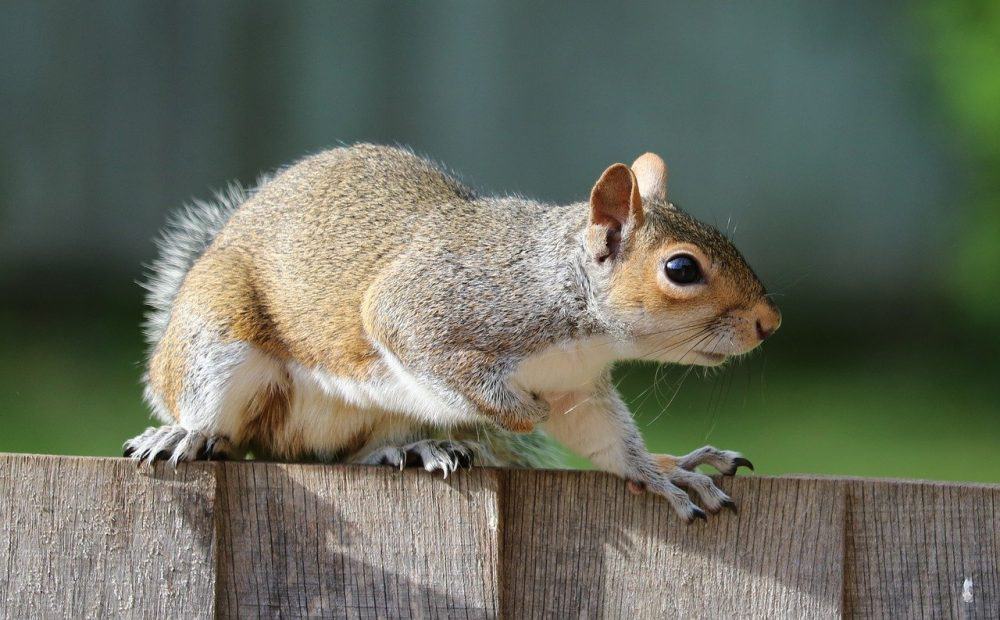
Squirrels chew to keep their teeth sharp and healthy. Their teeth grow continuously, so they must gnaw on objects. Chewing also helps squirrels explore their environment. Sometimes, they chew out of boredom or stress. They are active during the day and search for materials to chew nearby. This instinct drives them to patio furniture, especially if natural food is scarce.
Common Targets On Patio Furniture
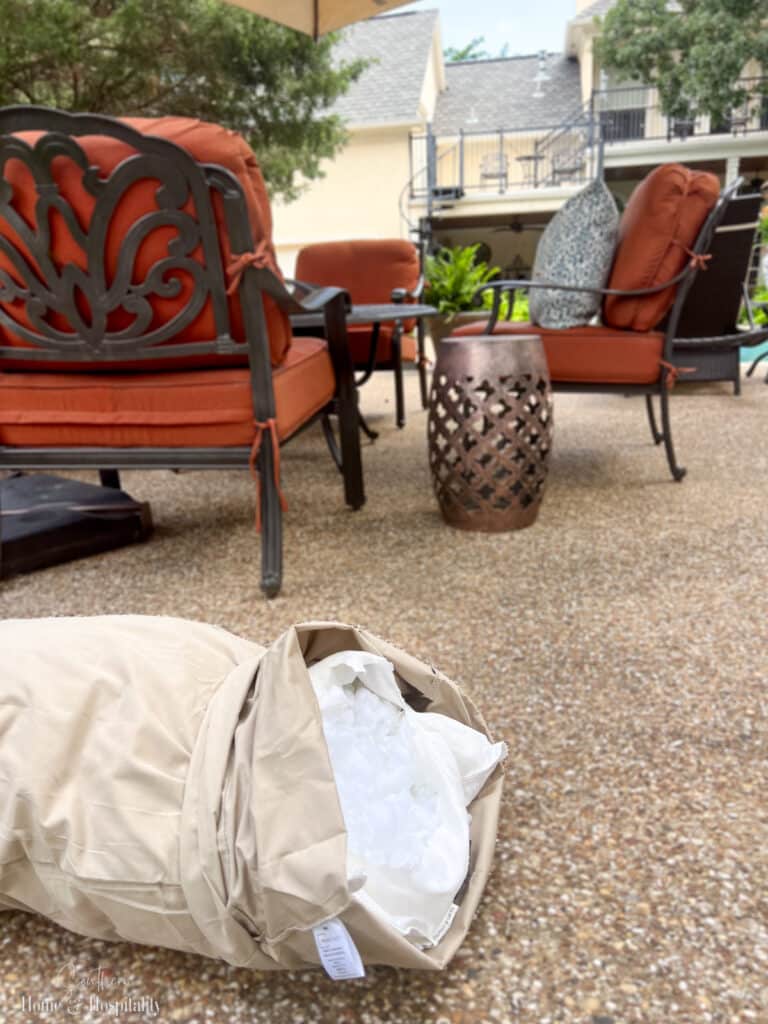
Squirrels prefer wood and plastic parts for chewing. Wooden armrests, legs, and frames are frequent targets. Plastic furniture pieces also attract squirrels because of their texture. Cushions and fabric can get torn by their claws and teeth. Metal parts are usually safe but can still be scratched. Small gaps or loose parts in furniture invite squirrels to chew and nest.
Credit: southernhomeandhospitality.com
Materials That Attract Squirrels
Squirrels choose what to chew based on the materials they find. Some materials attract them more than others. Understanding these materials helps protect your patio furniture. This section covers common materials that squirrels like.
Wood And Its Appeal
Wood is soft and easy for squirrels to gnaw. It wears down their teeth and keeps them sharp. Chewing wood also helps squirrels mark their territory. Outdoor wooden furniture becomes a tempting target. The smell and texture draw squirrels closer. Over time, wood can show bite marks and damage. This makes wooden furniture less durable and less attractive for your patio.
Plastic And Rubber Vulnerabilities
Plastic and rubber might seem strong but squirrels can chew them too. These materials feel soft and pliable to squirrels’ teeth. They can cause damage to cushions or plastic chairs. Squirrels bite these materials to build nests or find food. Plastic coatings on metal furniture can peel off. Rubber parts like chair feet or grips also attract chewing. Damage to these materials can ruin the look and function of your patio set.
Preventive Measures To Protect Furniture
Protecting your patio furniture from squirrels requires simple steps. These steps help keep your furniture safe and look good longer. A mix of natural solutions and physical barriers works best. Start by choosing methods that suit your furniture type and outdoor space. Here are effective preventive measures to try.
Using Natural Repellents
Natural repellents keep squirrels away without harmful chemicals. Spraying vinegar or citrus oils on furniture can deter squirrels. They dislike strong smells and avoid areas treated with these scents. Placing peppermint leaves or garlic near the furniture also helps. These natural options are safe for pets and children.
Applying Protective Coatings
Protective coatings create a shield on your furniture surface. Use varnishes or sealants designed for outdoor use. These coatings make furniture harder to chew and resistant to weather. Apply a thick layer on wood or plastic surfaces for best results. Reapply coatings regularly to maintain protection.
Covering Furniture Effectively
Covering furniture blocks squirrels from reaching it. Use heavy-duty covers made from waterproof materials. Secure covers tightly to prevent squirrels from slipping underneath. Remove covers during use, then replace to protect after. This method also guards against rain and dirt.
Credit: www.madbackyard.com
Deterrents To Keep Squirrels Away
Squirrels chewing on patio furniture can be a big problem. They leave teeth marks and damage wood or plastic surfaces. Using deterrents helps protect your outdoor space. These tools keep squirrels away without harming them. Choose options that are safe and easy to use. Here are some effective deterrents to try.
Motion-activated Devices
Motion-activated devices startle squirrels when they come near. They use lights, sounds, or water sprays to scare animals. These devices turn on only when movement is detected. This saves energy and prevents noise all day long. Squirrels soon learn to avoid the area. Place these devices near your patio furniture for best results.
Ultrasonic Repellers
Ultrasonic repellers emit high-frequency sounds. People cannot hear these sounds, but squirrels find them uncomfortable. These devices create an invisible barrier around your patio. They run quietly and do not disturb neighbors. Keep repellers close to furniture for better protection. Note that effectiveness may vary with different squirrels.
Safe Chemical Sprays
Safe chemical sprays deter squirrels by taste or smell. They use natural ingredients that squirrels dislike. These sprays do not harm pets or children. Apply sprays on furniture surfaces to prevent chewing. Reapply often, especially after rain or cleaning. Read product labels to ensure safety and effectiveness.
Landscaping Tips To Discourage Squirrels
Landscaping can help keep squirrels away from your patio furniture. By changing the plants and removing food sources, you make the area less inviting. Squirrels look for easy food and safe spots to chew. Adjusting your garden can discourage them from sticking around. Here are some landscaping tips that work well.
Planting Squirrel-repellent Plants
Some plants squirrels do not like can protect your patio. Try planting daffodils, marigolds, or garlic around your seating area. These plants have strong smells or tastes squirrels avoid. Place them close to furniture legs and edges of the patio. This natural barrier keeps squirrels from coming near your items.
Removing Food Sources Nearby
Squirrels come looking for food to eat or store. Clean up fallen fruit, nuts, and birdseed regularly. Avoid leaving pet food outside. Keep trash bins tightly closed to stop squirrels from scavenging. Without easy food, squirrels are less likely to chew on your patio furniture.
Regular Maintenance And Monitoring
Keeping squirrels away from your patio furniture needs regular care. Watch your furniture closely. Small actions now prevent big problems later. Regular maintenance and monitoring stop squirrels from causing damage.
Inspecting Furniture Frequently
Check your furniture often. Look for chew marks or scratches. Pay attention to wooden and plastic parts. Early signs of damage show squirrels are nearby. Spotting these signs early helps protect your furniture.
Repairing Damage Promptly
Fix any damage quickly. Small holes or cracks can get worse fast. Use wood filler or sealants on wooden spots. Replace broken parts if needed. Quick repairs stop squirrels from returning to the same spot.
When To Seek Professional Help
Sometimes, squirrels cause serious damage to patio furniture. Small fixes no longer work. It becomes important to get professional help. Experts know how to handle squirrels safely and effectively. They can stop the problem from growing worse.
Signs Of Severe Infestation
Look for many chewed marks on your furniture. Squirrels may leave droppings nearby. You might hear scratching or scampering sounds at night. Furniture might have holes or broken parts. You may see squirrels often around your patio. These signs show a big squirrel problem. Acting fast can prevent more damage.
Choosing Wildlife Control Services
Pick a company with good reviews and experience. Ask if they use safe methods for animals. Make sure they follow local wildlife laws. Check if they offer a guarantee on their work. A reliable service will explain their process clearly. They should remove squirrels without harming them. Choose experts who respect your home and pets.
Credit: southernhomeandhospitality.com
Frequently Asked Questions
How Can I Stop Squirrels From Chewing Patio Furniture?
Use squirrel repellents like sprays or natural oils on the furniture. Cover furniture with protective materials to block access. Regularly clean the area to remove food or debris that attract squirrels.
What Natural Remedies Keep Squirrels Away From Furniture?
Sprinkle cayenne pepper or garlic powder around the furniture area. Use peppermint oil or vinegar to create a scent squirrels dislike. Plant squirrel-repellent plants like mint near your patio.
Does Covering Furniture Prevent Squirrel Damage Effectively?
Yes, covering furniture with tarps or mesh can stop squirrels from chewing. It creates a physical barrier they cannot get through. Make sure covers are secure and fit well.
Are Squirrel Repellents Safe For Outdoor Furniture?
Most commercial repellents are safe if used as directed. Natural options like essential oils are gentle and non-toxic. Avoid harmful chemicals that can damage furniture or harm pets.
How Often Should I Apply Squirrel Deterrents On Patio Furniture?
Apply repellents every few days or after rain for best results. Reapply natural remedies weekly to maintain their effectiveness. Consistency helps keep squirrels away longer.
Conclusion
Squirrels can cause real damage to your patio furniture. Taking steps to stop them helps protect your outdoor space. Use safe and simple methods to keep squirrels away. Regularly checking your furniture for signs of chewing works well. Small changes can make a big difference over time.
Enjoy your patio without worrying about squirrel damage. Patience and consistency are key to success. Keep your outdoor area peaceful and squirrel-free.