Need to rip a board but don’t have a table saw? You’re not alone.
Many DIYers and hobbyists face this challenge. The good news is, you don’t need expensive equipment to get the job done. With the right tools and techniques, you can cut boards accurately and safely. You’ll discover simple, effective ways to rip a board without a table saw.
Keep reading to learn how to save time, avoid frustration, and achieve clean cuts every time. Your next project is about to get a lot easier!
Credit: www.reddit.com
Choosing The Right Tools
Choosing the right tools is key to ripping a board without a table saw. The right tool makes the job easier and safer. It helps you get a clean, straight cut every time. Several tools work well for this task. Each has its own benefits and uses.
Hand Saw Options
Hand saws are simple and reliable. They require no power and are easy to control. A crosscut saw or a rip saw works best for cutting along the grain. Hand saws are quiet and perfect for small jobs. They need some effort but give precise cuts.
Circular Saw Benefits
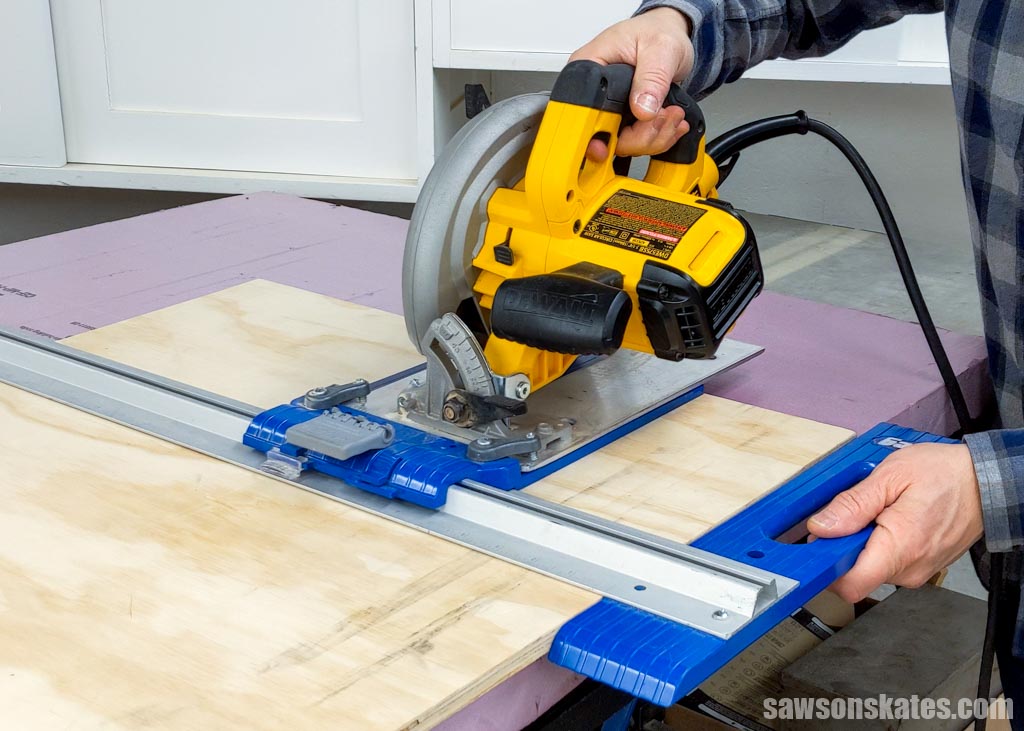
Circular saws are powerful and fast. They cut through thick boards with ease. You can use a guide to keep the cut straight. Circular saws work well for long rip cuts. They are common and affordable for most woodworkers.
Using A Jigsaw
Jigsaws are versatile and easy to handle. They can make curved or straight cuts. For ripping boards, use a fine-tooth blade. Jigsaws are good for narrow or short cuts. They are a great choice for light woodworking tasks.
Utility Knives And Other Alternatives
Utility knives can score thin boards or plywood. They work best with multiple passes and a straight edge. Other alternatives include handsaws with a guide or a pull saw. These tools are handy for light work or small projects. They require patience but can deliver good results.
Credit: sawsonskates.com
Preparing Your Workspace
Preparing your workspace is a key step before ripping a board without a table saw. A clean, organized area helps you work safely and accurately. Taking time to set up well reduces mistakes and accidents. Follow simple steps to create a workspace that supports smooth cutting.
Safe Work Area Setup
Clear the workspace of clutter and debris. Ensure there is enough room to move around easily. Use good lighting to see the board and cut lines clearly. Keep tools and materials within reach but not in the cutting path. Make sure the floor is dry and free of tripping hazards.
Clamping And Securing The Board
Use clamps to hold the board steady on your workbench or sawhorses. Clamping prevents the wood from shifting during cutting. Place clamps at both ends of the board for better stability. Tighten clamps firmly but avoid damaging the wood. Double-check the board does not wobble before cutting.
Marking Accurate Cut Lines
Measure the board carefully with a tape measure or ruler. Mark the cut line clearly using a pencil or chalk. Draw a straight line along the board’s length as a guide. Use a square tool for perfect right angles on crosscuts. Clear markings help you follow the line precisely for a clean cut.
Ripping With A Circular Saw
Ripping a board without a table saw is possible with a circular saw. This tool is common and easy to use for straight cuts. It offers a great alternative when a table saw is not available. You can achieve clean, accurate cuts with the right setup and technique.
Setting The Depth And Guide
Adjust the blade depth to match the board thickness. Set it just enough to cut through the wood. Too deep cuts waste energy and can be unsafe. Use a straight edge or guide to keep the saw on track. Clamp the guide firmly to prevent movement during the cut. This helps create a straight and even rip.
Techniques For Straight Cuts
Start the saw before touching the board. Move the saw slowly along the guide. Keep steady pressure and avoid forcing the tool. Watch the blade and line carefully as you cut. Use both hands to control the saw for better accuracy. Let the saw do the work; pushing too hard causes mistakes.
Handling Thick Or Hard Woods
For thick or hard wood, make multiple shallow passes. Cut a little deeper with each pass. This reduces strain on the saw and blade. Choose a sharp, high-quality blade designed for hardwood. Keep the saw cool by taking breaks between cuts. Secure the board well to avoid shifting or vibration.
Using A Hand Saw Effectively
Using a hand saw effectively can help you rip a board without a table saw. It takes focus and some practice. You need the right saw, good posture, and steady hands. This section explains how to use a hand saw well for clean, straight cuts.
Selecting The Best Hand Saw
Choose a hand saw with sharp, fine teeth for smoother cuts. A crosscut saw works well for cutting across the wood grain. A rip saw is better for cutting along the grain. Pick a saw with a comfortable handle that fits your hand. Make sure the blade is the right length for your project. A 20-inch saw fits most boards and tasks.
Proper Sawing Posture And Grip
Stand with feet shoulder-width apart for balance. Keep the board steady on a flat surface. Hold the saw handle firmly but not too tight. Your wrist should move smoothly back and forth. Use your whole arm, not just your wrist, to saw. Keep your body relaxed to avoid tiredness. Lean slightly forward to guide the saw accurately.
Tips For Maintaining A Straight Line
Mark your cut line clearly with a pencil or chalk. Clamp the board to prevent movement while cutting. Start the cut slowly to create a small groove. Check the line often and adjust your angle as needed. Use your thumb as a guide along the edge of the saw blade. Keep your eyes on the line, not the saw teeth. Stop and reposition if you drift off the line.
Jigsaw Ripping Tips
Using a jigsaw to rip a board is a practical option without a table saw. It takes control and the right tools. These tips help you make clean and accurate cuts with a jigsaw. Follow simple steps to improve your ripping experience.
Blade Selection For Ripping
Choose a blade with fewer teeth per inch (TPI). Lower TPI blades cut faster and remove more material. This helps when cutting along the wood grain. Use a blade marked for wood cutting. A wider blade helps keep the cut straight. Avoid blades meant for metal or fine detail work.
Controlling The Cut Direction
Mark your cut line clearly on the board. Secure the board firmly using clamps. Hold the jigsaw steady and guide it slowly along the line. Keep the base plate flat on the wood. Move the saw forward smoothly without forcing it. This keeps the cut straight and reduces splintering.
Managing Curves And Straight Lines
For straight lines, use a guide or straight edge to follow. Clamp the guide to the board for stability. For curves, use a narrow blade for easier turning. Slow down the speed on tight curves. Practice on scrap wood to get a feel for the jigsaw’s movement. Patience gives cleaner and safer cuts.

Credit: www.reddit.com
Finishing Touches
After ripping your board without a table saw, the job is not quite done. The finishing touches make your work look neat and professional. This stage helps remove rough spots and ensures your board fits perfectly. Pay close attention to small details here. They make a big difference in the final result.
Sanding Edges Smooth
Use sandpaper to smooth all the cut edges. Start with rough grit to remove big splinters. Move to finer grit for a clean, soft finish. Sand along the grain to avoid scratches. Smooth edges prevent splinters and improve the board’s look. Take your time and check your progress often.
Checking For Accuracy
Measure the board’s width and length carefully. Use a square or straight edge to check if cuts are straight. Compare your board to your project’s requirements. Small mistakes can affect the whole project. Correct any uneven spots before moving forward. Accuracy here saves effort in later steps.
Correcting Minor Imperfections
Look for small chips or dents on the edges. Fill gaps with wood filler or putty if needed. Let the filler dry completely before sanding it smooth. Use a sharp knife to trim rough spots. These fixes help your board look clean and ready to use. A little extra effort here pays off.
Safety Practices
Safety is the top priority when ripping a board without a table saw. Using hand tools or alternative methods can be risky without proper precautions. Following safety practices helps prevent accidents and injuries. It also ensures a smoother work process. Below are key safety tips to keep in mind.
Protective Gear Essentials
Always wear safety glasses to protect your eyes from flying wood chips. Use hearing protection if power tools are involved. Gloves can protect your hands but avoid loose ones that can get caught in tools. Wear a dust mask to avoid breathing wood dust. Choose sturdy shoes to protect your feet from falling objects.
Avoiding Common Injuries
Keep your hands away from cutting edges at all times. Use clamps to hold the board steady instead of your hands. Cut slowly and carefully to maintain control. Work in a well-lit area to see clearly. Take breaks to avoid tiredness, which can lead to mistakes.
Tool Maintenance For Safety
Check all tools before use to ensure they are sharp and clean. Dull blades can cause slips and require more force, increasing injury risk. Tighten loose screws and handles to prevent tool failure. Store tools properly to avoid damage and accidents. Regular maintenance keeps tools safe and efficient.
Frequently Asked Questions
How Can I Rip A Board Without A Table Saw?
Use a circular saw with a straight edge guide. Clamp the guide to the board to make straight cuts easily.
What Tools Work Best For Ripping Boards Without A Table Saw?
A circular saw or handsaw are good choices. A straight edge or clamp helps keep cuts straight and smooth.
Is It Safe To Rip A Board Without A Table Saw?
Yes, with proper safety gear like goggles and gloves. Always secure the board firmly before cutting to avoid slips.
Can I Get A Straight Cut Without A Table Saw?
Yes, using a straight edge guide or clamp helps. Take slow, steady passes to keep the cut clean and straight.
How Do I Measure For Ripping A Board Accurately?
Mark the cut line clearly with a pencil and ruler. Double-check measurements before cutting to avoid mistakes.
Conclusion
Ripping a board without a table saw is easier than it seems. You can use hand tools or other power tools to get straight cuts. Take your time and measure carefully before cutting. Safety always comes first. With patience and practice, your cuts will improve.
This skill helps when you lack a table saw but need precise boards. Keep trying different methods to find what works best for you. Woodworking is about creativity and problem-solving. Enjoy the process and learn with each project.