
Have you ever looked at a plain piece of cardboard and wished it could look like real wood? Whether you’re working on a craft project, decorating your home, or creating props, painting cardboard to look like wood can be a game-changer.
It’s easier than you think, and with just a few simple steps, you can transform something ordinary into something stunning. Keep reading, and you’ll discover the secrets to making your cardboard look like authentic wood—no expensive materials or special skills needed.
Your next project is about to get a whole lot more impressive!
Choosing The Right Cardboard
Choosing the right cardboard is key to making your project look like real wood. Not all cardboard works well for painting. Some types hold paint better and show details more clearly. Picking the best cardboard helps you get smooth, natural results. It also makes your work last longer and look more professional.
Types Of Cardboard Suitable For Painting
Corrugated cardboard is a popular choice for wood painting projects. It has a thick, ridged surface that adds texture. Single-wall corrugated cardboard works best for detailed painting. It is strong but easy to cut and shape.
Chipboard is another good option. It has a smooth surface and feels like thin wood. Chipboard soaks up paint evenly and shows brush strokes well. It also holds its shape better than thinner cardboard.
Avoid very thin or flimsy cardboard. It can warp or tear when wet. Also, glossy or coated cardboard repels paint. It makes painting uneven and difficult.
Preparing Cardboard Surface
Start by cleaning the cardboard. Remove dust, dirt, or loose fibers with a soft brush. This keeps the paint smooth and sticks well.
Lightly sanding the surface helps paint grip better. Use fine sandpaper and rub gently. Be careful not to damage the cardboard.
Apply a primer or gesso to seal the surface. This prevents the cardboard from soaking up too much paint. Let it dry fully before painting.
Check for bumps or rough edges. Trim or sand them down for a flat, even surface. A smooth base helps create realistic wood patterns.
Gathering Essential Materials
Painting cardboard to look like wood starts with gathering the right materials. Having the correct supplies makes the process easier and the results better. You will need specific paints, brushes, and other tools. Preparing everything before you start saves time and helps avoid mistakes.
Paints And Brushes Needed
Choose acrylic paints for the best wood-like effect. Brown, tan, and black shades work well. These colors mimic natural wood tones. Use a flat brush for broad strokes and a fine brush for details. The flat brush covers large areas smoothly. The fine brush adds wood grain lines and knots.
Additional Tools And Supplies
Besides paints and brushes, gather a few extra tools. A palette or paper plate helps mix colors. Use painter’s tape to create clean edges if needed. Sandpaper smooths the cardboard surface before painting. A sponge can add texture to imitate wood grain. Keep some paper towels nearby for quick cleanups.
Prepping Cardboard For Painting
Prepping cardboard properly sets the stage for a great wood-like finish. This step ensures paint sticks well and looks smooth. Taking time to prepare the surface saves effort later and improves results.
Cleaning And Smoothing The Surface
Start by removing dust and dirt from the cardboard. Use a dry cloth or soft brush to clean the surface gently. Avoid soaking the cardboard with water. Wet cardboard can warp or weaken.
Next, check for rough spots or bumps. Lightly sand these areas with fine-grit sandpaper. Sand in small circles to avoid tearing the cardboard. Wipe away dust after sanding.
Priming Techniques For Better Adhesion
Apply a primer to help paint stick and last longer. Use a water-based primer made for paper or cardboard. Thin layers work best to avoid soaking the cardboard.
Let the primer dry completely before painting. This step creates a smooth base and prevents paint from soaking unevenly. Multiple thin coats improve coverage and durability.
Base Coat Application
Start by applying a smooth, even base coat to the cardboard. This layer helps paint stick and creates a solid surface. Choose a neutral color close to wood tones for best results.
Selecting The Right Base Color
Start by choosing a base color that matches natural wood tones. Brown shades work well for most wood types. Light tan suits pine or oak, while darker browns fit mahogany or walnut. Avoid bright or unnatural colors. The base color sets the stage for the wood effect. It should be solid but not too dark. This helps later layers show texture and grain clearly.
Tips For Even Coverage
Use a wide, flat brush or a foam roller for smooth paint application. Apply thin, even coats to avoid drips and streaks. Let each coat dry fully before adding the next one. Multiple thin layers create a strong base and prevent patchiness. Paint in one direction to keep a uniform look. Light sanding between coats helps paint stick better. Take your time and check for missed spots.
Creating Wood Grain Effects
Painting cardboard to look like wood starts with choosing the right base color. Use a brush to create thin, wavy lines that mimic natural wood grain. Light and dark shades add depth and make the effect realistic.
Techniques For Simulating Wood Texture
Creating a realistic wood grain on cardboard requires simple painting techniques. Start with a base coat in a light brown or tan color. This base sets the tone for the wood effect.
Next, use a slightly darker shade to add grain lines. Draw long, thin lines that follow the natural flow of wood grain. Vary the pressure to make some lines thinner and others thicker. This adds depth and realism.
Use a dry brush technique to soften the lines. Lightly drag a dry brush over the painted lines to blur harsh edges. This creates a natural, worn look like real wood.
Using Brushes And Tools To Mimic Grain
Different brushes and tools help mimic wood texture on cardboard. A fan brush works well for creating fine, wispy grain lines. Flick the brush gently across the surface to add subtle details.
A comb or a stiff-bristled brush can add rough texture. Drag the tool lightly through wet paint to create grooves and ridges. This simulates knots and irregularities found in wood.
For knots, use a small round brush to paint circular shapes. Blend the edges softly to make them look natural. Use darker paint inside the knots to add shadow and depth.
Experiment with various tools and strokes. Layering different textures builds a more convincing wood effect on cardboard.
Adding Depth With Shadows And Highlights
Adding shadows and highlights gives cardboard a real wood look. It creates depth and makes the surface appear three-dimensional. Without these details, the paint may look flat and fake. Shadows show where the wood grain dips or curves inward. Highlights catch the raised parts that light touches.
These effects bring out the natural texture of wood on a flat cardboard surface. They help the paint seem more alive and convincing. You can use different shades of brown, beige, or even gray to build these layers. This technique works well with both acrylic and latex paints.
Layering Colors For Realism
Start with a base coat in a medium wood tone. Let it dry completely before adding more layers. Use a darker shade to paint thin lines or spots where shadows would fall. These could be knots or grain lines on the wood.
Next, add a lighter color where light hits the wood most. Paint thin streaks or soft patches along the grain. Apply each layer lightly to avoid thick paint buildup. Build up colors slowly for a natural look. This layering mimics how real wood changes color and tone.
Blending Tips For Natural Look
Blend the edges of shadows and highlights gently. Use a dry brush or a soft sponge to soften harsh lines. Work in small circles or follow the wood grain pattern. This prevents sharp contrasts that look artificial.
Keep your brush strokes light and consistent. Blend while the paint is still wet for smooth transitions. If paint dries too fast, mist it lightly with water. Avoid over-blending, which can dull the texture effect. The goal is subtle shifts in color that catch the eye.
Sealing And Finishing Touches
Sealing and finishing touches give your painted cardboard a strong, lasting look. They protect your work and add a smooth, wood-like shine. Skipping this step can cause the paint to chip or fade quickly.
These final steps make your cardboard project look real and hold up over time. Choose the right sealant and apply it carefully. Then, protect your painted cardboard with simple methods that keep it safe.
Choosing The Right Sealant
Select a sealant that fits the type of paint used on your cardboard. Water-based sealants work well with acrylic paint and dry fast. They do not yellow over time, keeping colors bright.
Matte sealants keep the wood look natural without glare. Glossy sealants add shine and highlight wood grain effects. Spray sealants offer easy, even coverage and reduce brush marks.
Test the sealant on a small cardboard piece. This helps ensure it won’t warp or soak in too much. Pick a sealant that dries clear and does not peel.
Protecting Your Painted Cardboard
Keep your cardboard away from moisture and direct sunlight. These can weaken the cardboard and fade colors. Store your project in a dry, cool place to maintain its look.
Use a clear varnish or topcoat to build a strong surface layer. This stops scratches and dirt from damaging the paint. Apply thin coats and let each dry well before adding more.
For extra protection, cover the cardboard with clear plastic or glass if possible. Handle your project gently to avoid dents. These steps help your cardboard look like wood for a long time.

Credit: www.youtube.com
Common Mistakes To Avoid
Painting cardboard to look like wood is fun but tricky. Many make common mistakes that ruin the effect. Avoiding these errors improves your project’s look and durability.
Handling Paint Smudges And Drips
Paint smudges and drips can spoil the wood-like finish. Use thin paint layers to prevent drips. Let each layer dry completely before applying the next. Avoid touching wet paint to keep clean edges. A small brush helps control paint flow for fine details.
Preventing Cardboard Warping
Cardboard warps easily with too much moisture. Use water-based paints and apply sparingly. Paint one side at a time and allow it to dry fully. Place the cardboard on a flat surface while drying. Weigh it down gently to keep it flat.
Creative Project Ideas
Painting cardboard to look like wood opens many creative doors. It turns simple cardboard into stylish, wood-like pieces. This technique helps save money and reuse materials. It also lets you customize projects to fit your style and space. Here are some fun ideas to try.
Diy Furniture And Decor
Create small furniture pieces with a wood finish using cardboard. Make shelves, stools, or tables that look real. Use brown paints and wood grain patterns for a natural look. These pieces are lightweight and easy to move. Perfect for apartments or temporary setups. You can also make picture frames or wall art. They add a cozy, handmade touch to any room.
Gift Boxes With Wood Finish
Transform plain gift boxes into elegant wooden boxes. Paint the cardboard with layers of brown and tan shades. Use a thin brush to add wood grain details. These boxes look special and unique. Ideal for birthdays, holidays, or special occasions. Recipients will love the extra effort and style. Plus, you can reuse the boxes for storage or decoration.

Credit: manningkrull.com
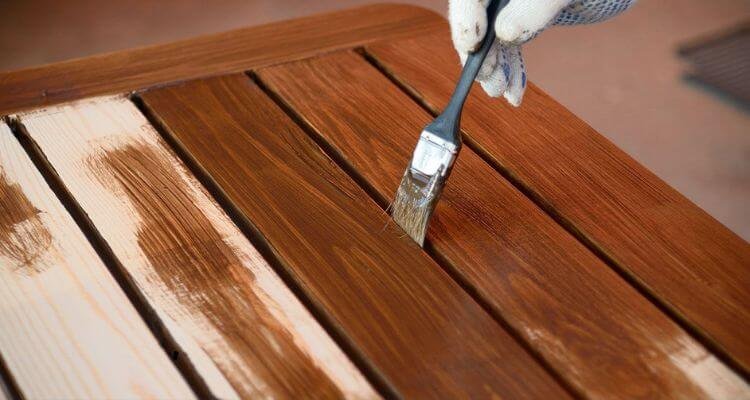
Credit: woodissues.com
Frequently Asked Questions
How Do I Prepare Cardboard Before Painting Wood Grain?
Clean the cardboard surface well and let it dry completely. Lightly sand if it’s rough for better paint grip.
What Types Of Paint Work Best For Wood Effect?
Acrylic or latex paints work well for painting cardboard to look like wood. They dry fast and have good coverage.
How Can I Create Realistic Wood Grain Patterns?
Use a dry brush or sponge with darker shades. Drag paint gently to mimic wood grain lines and knots.
Do I Need To Seal The Painted Cardboard?
Yes, apply a clear sealer or varnish to protect your paint and add a slight shine like real wood.
Can I Use Household Items To Make Wood Texture?
Yes, items like combs, forks, or brushes help create wood grain patterns easily on cardboard surfaces.
Conclusion
Painting cardboard to look like wood is simple and fun. Follow the steps carefully and take your time. Use the right colors and brushes for the best effect. Practice on a small piece before starting your main project. This technique saves money and adds a creative touch to your crafts.
Try different styles to find what you like best. Enjoy making your cardboard pieces look like real wood. You can create beautiful decorations or gifts with this skill. Keep experimenting and have fun with every project you paint.