
Are you looking to give your woodworking projects a smooth, professional finish? Rounding wood edges can make a huge difference in how your piece looks and feels.
But how do you do it quickly and easily without expensive tools? Using a Dremel is one of the best ways to round wood edges with precision and control. In this guide, you’ll learn simple steps that anyone can follow to transform sharp, rough edges into clean, polished curves.
Keep reading, and you’ll discover tips and tricks that will save you time and help your work stand out.
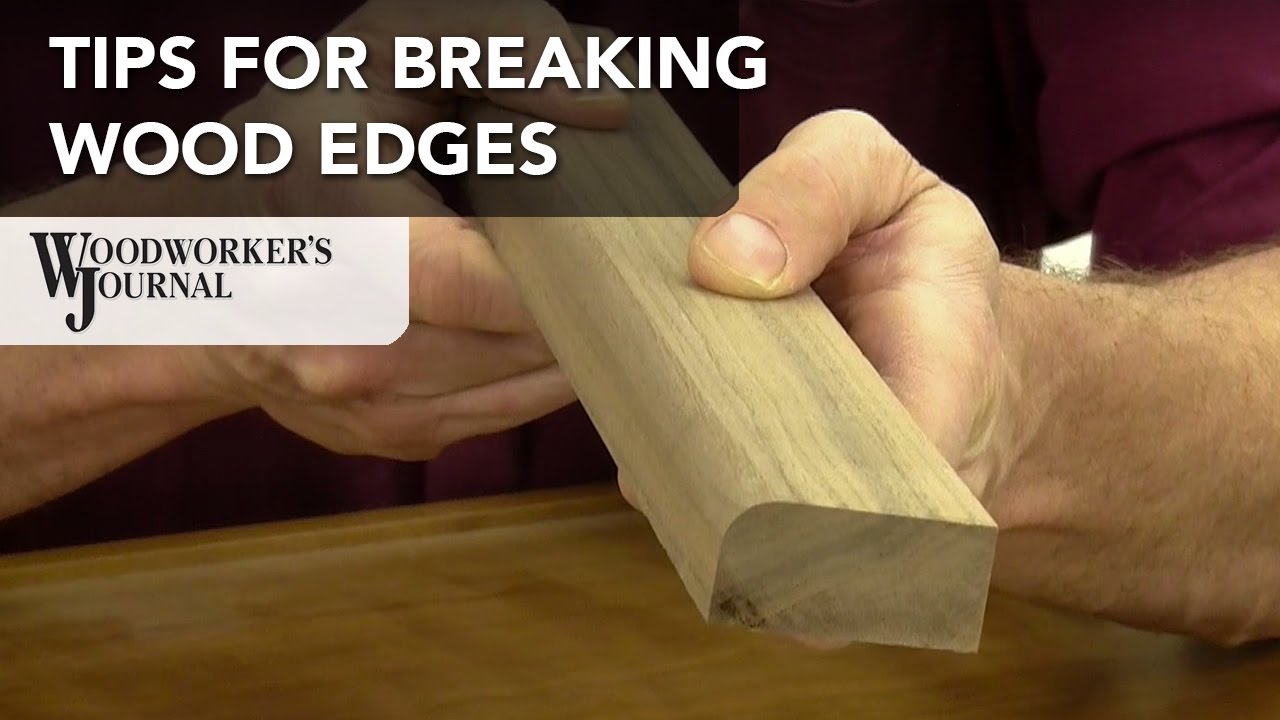
Credit: www.youtube.com
Choosing The Right Dremel Tool
Choosing the right Dremel tool is key to rounding wood edges smoothly. The right tool makes your work easier and results better. This section helps you pick a tool that fits your project needs.
Selecting The Appropriate Rotary Tool
Choose a rotary tool with variable speed control. This feature allows you to adjust speed for different wood types. A tool with a comfortable grip helps maintain control. Look for a lightweight model to reduce hand fatigue. A corded tool offers continuous power for long projects. A cordless option provides more freedom of movement.
Essential Attachments For Wood Edges
Use sanding drums to shape and smooth wood edges. They come in various grits for rough or fine sanding. A grinding stone attachment helps remove sharp corners quickly. Polishing wheels can give edges a smooth finish. Always select attachments that fit your Dremel model. Proper attachments ensure safety and better results.

Credit: stusshed.wordpress.com
Preparing The Wood Surface
Preparing the wood surface is a key step before rounding the edges with a Dremel. Proper preparation ensures a smooth, even finish and reduces the risk of mistakes. It also helps protect the wood from damage during the process. Take your time with these steps for the best results.
Cleaning And Securing The Wood
Start by cleaning the wood surface. Remove dust, dirt, and any grease using a dry cloth or a soft brush. A clean surface helps the Dremel tool work better and prevents slipping. Next, secure the wood piece firmly. Use clamps or a vise to hold the wood in place. This keeps the wood stable and safe while you work.
Marking Edges For Precision
Mark the edges you want to round. Use a pencil and a ruler to draw clear, straight lines. These marks guide your Dremel tool, helping you maintain a consistent shape. Mark both the top and bottom edges if needed. This step makes the rounding process easier and more accurate.
Techniques For Rounding Wood Edges
Rounding wood edges with a Dremel requires some specific techniques. These help create smooth, even curves and protect the wood from splintering. Using the right tools and methods also keeps the work safe and accurate.
Focus on steady movements and control. This makes the edges look clean and professional. The Dremel’s sanding drums work well for shaping wood. Learning how to apply pressure and maintain control helps you get the best results.
Using Sanding Drums Effectively
Choose a sanding drum with the right grit for your wood type. Coarser grits remove more material fast. Finer grits smooth the edges after rough shaping. Attach the drum securely to avoid wobbling during use.
Move the Dremel along the edge slowly. Keep the sanding drum flat against the wood surface. This ensures even rounding. Do not stay in one spot too long. It can create uneven spots or burn the wood.
Applying Consistent Pressure
Use light, steady pressure on the Dremel. Pressing too hard can damage the wood. It also wears out the sanding drum quickly. Let the tool do the work. Keep your hand relaxed to avoid shaking.
Apply the same pressure along the entire edge. This produces a smooth, even curve. If the pressure varies, the edge will look uneven. Practice on scrap wood first to feel the right amount.
Maintaining Control And Safety
Hold the Dremel firmly but comfortably. Use both hands if needed for better control. Keep your fingers away from the sanding drum. Always wear safety glasses to protect your eyes.
Work in a well-lit area. Keep your workpiece clamped or steady. This prevents slipping and accidents. Take breaks if your hands get tired. Staying focused helps avoid mistakes and injury.

Credit: allflavorworkshop.com
Finishing Touches
Finishing touches give your wood edges a clean, professional look. They improve the feel and protect the wood from damage. These steps ensure your work lasts longer and looks great.
Sanding For Smoothness
After rounding edges with a Dremel, sanding is essential. Use fine-grit sandpaper to remove rough spots. Sand in gentle, circular motions. This smooths the wood surface and rounds edges evenly. Check your work by running your fingers over the edges. Stop sanding once the wood feels soft and smooth.
Applying Sealants Or Finishes
Sealants protect wood from moisture and wear. Choose a finish that suits your project, like varnish, oil, or wax. Apply a thin, even coat with a brush or cloth. Let it dry fully before handling the wood. Multiple coats improve durability and appearance. Lightly sand between coats for the best results.
Common Mistakes To Avoid
Rounding wood edges with a Dremel is a handy skill. Avoiding common mistakes makes your work smoother and safer. These errors can lead to poor results or even injury. Focus on these points to get a clean, smooth edge every time.
Overcutting The Edge
Cutting too deep is a common problem. It makes the edge uneven and rough. Move the Dremel slowly and gently along the wood. Let the tool do the work, not your pressure. Take off small amounts of wood at a time. Check your progress often to keep the shape right.
Ignoring Safety Precautions
Safety matters a lot with power tools. Always wear safety glasses to protect your eyes from dust. Use a dust mask to avoid breathing wood particles. Keep your hands away from the rotating bit. Work in a clean, well-lit space. Never rush the job. Careful handling prevents accidents and injuries.
Tips For Different Wood Types
Wood types affect how you round edges with a Dremel tool. Each type reacts differently to sanding and shaping. Knowing these tips helps you get smooth, clean edges without damage. Choose the right speed and bit for your wood. Work gently to avoid splintering or burning the wood.
Softwoods Vs. Hardwoods
Softwoods like pine and cedar are easier to shape. Use a lower speed to avoid gouging the surface. These woods can burn quickly, so keep the tool moving. Hardwoods such as oak and maple need more pressure but move slower. Use a finer sanding bit to get smooth edges. Take breaks to prevent the wood from overheating.
Handling Veneered Surfaces
Veneered wood has a thin layer glued to a base. Be very gentle to avoid peeling the veneer. Use a fine sanding attachment at low speed. Avoid deep cuts or heavy pressure. Always test on a scrap piece first. Keep the tool steady and follow the edge carefully. Finish with a light sanding by hand to protect the surface.
Frequently Asked Questions
What Dremel Tool Attachment Is Best For Rounding Wood Edges?
A sanding drum or a grinding stone attachment works best for rounding wood edges. They smooth and shape edges quickly. Choose the right size for your project.
How Do I Safely Hold Wood While Using A Dremel?
Use clamps or a vise to secure the wood firmly. Keep your hands away from the rotating bit. Always wear safety goggles and gloves.
What Speed Setting Should I Use On A Dremel For Wood Edges?
Use a medium speed setting, around 10,000 to 15,000 RPM. This speed prevents burning the wood. Adjust slightly based on wood hardness.
How Can I Avoid Splintering When Rounding Wood Edges?
Sand the edges gently and move the Dremel in slow, smooth motions. Avoid pressing too hard on the wood surface. Finish with fine sandpaper for smoothness.
Can I Use A Dremel To Round Edges On All Types Of Wood?
Yes, a Dremel can round edges on most wood types, including soft and hardwood. Adjust speed and pressure depending on the wood’s hardness. Test on scrap wood first.
Conclusion
Rounding wood edges with a Dremel is simple and effective. Take your time and keep steady hands for best results. Always wear safety gear to protect your eyes and hands. Practice on scrap wood before working on your main piece.
This small step makes your project look smooth and polished. With patience, anyone can create clean, rounded edges easily. Keep your Dremel tools in good condition for a smooth finish every time. Try this technique on different wood types for great results.