
If you want your wood furniture to stay beautiful and strong outside, sealing it is a must. Without the right protection, your furniture can crack, fade, or even rot from sun and rain.
But don’t worry—sealing wood isn’t as hard as you might think. You’ll learn simple, effective steps to protect your outdoor furniture. By the end, you’ll know exactly how to keep your pieces looking great season after season. Ready to make your wood last longer and shine brighter?
Let’s get started!
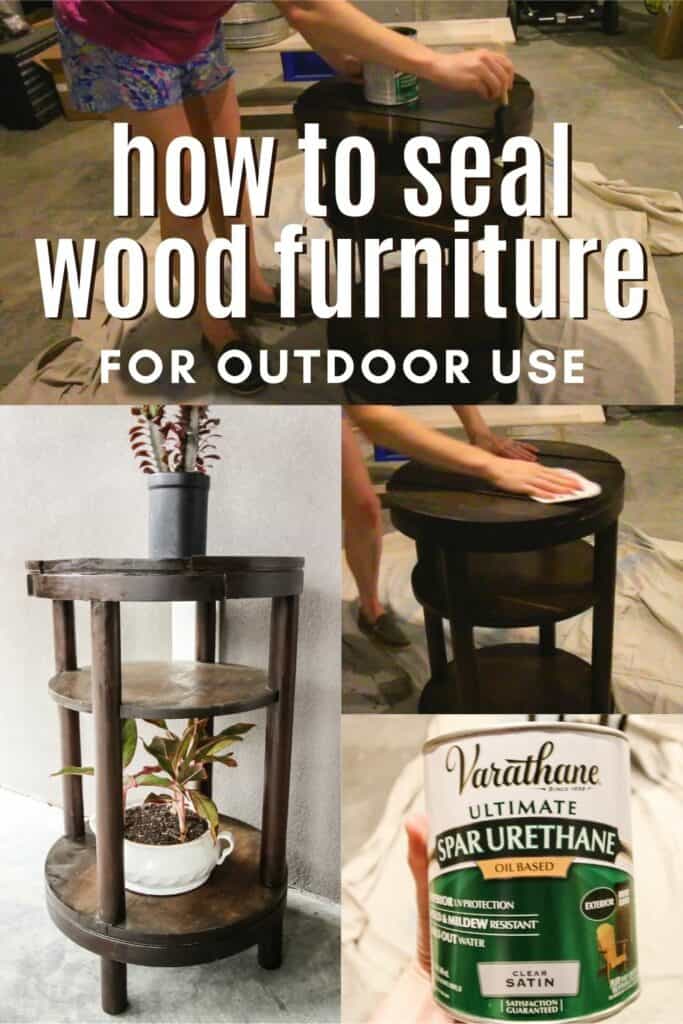
Credit: www.charlestoncrafted.com
Choosing The Right Wood
Choosing the right wood is the first step to making outdoor furniture last. Not all woods handle weather well. Some woods resist water, insects, and sun damage better than others. Picking the right type helps your furniture stay strong and beautiful for years.
Best Wood Types For Outdoors
Teak is famous for outdoor use. It has natural oils that protect it from water and bugs. Cedar and redwood also work well. They resist rot and insects without much treatment. Pressure-treated pine is affordable and lasts longer than regular pine. Each of these woods stands up to rain and sun better than most.
Wood Durability Factors
Wood durability depends on density and natural oils. Dense woods hold up better against wear and tear. Natural oils help keep moisture out and stop decay. The grain pattern also matters. Tight grains slow water absorption. Wood treated with sealants or preservatives lasts even longer outdoors. Proper care boosts the wood’s natural strength.

Credit: www.youtube.com
Preparing Wood For Sealing
Preparing wood for sealing is the first step to protect outdoor furniture. Clean and smooth wood helps sealants stick better. It also stops damage from water and sun. Proper preparation makes the finish last longer and look good.
Cleaning And Sanding
Start by cleaning the wood surface. Remove dirt, dust, and old finishes. Use a brush or cloth with mild soap and water. Let the wood dry completely before sanding.
Sanding smooths the wood and opens pores for sealant. Use medium-grit sandpaper for rough areas. Then finish with fine-grit paper for smoothness. Always sand along the wood grain. Wipe off dust with a dry cloth.
Repairing Damages
Check for cracks, holes, or loose joints in the wood. Use wood filler to fix small cracks or holes. Press filler into the damage and smooth it out. Let it dry fully, then sand the spot smooth.
For loose joints, apply wood glue and clamp until dry. Remove old nails or screws that are rusty. Replace broken parts if needed. Repairing damage ensures the wood stays strong and sealed.
Selecting Sealants
Choosing the right sealant is key for protecting wood furniture outside. The sealant guards wood from water, sun, and dirt. It also keeps the wood looking nice longer. Different sealants work better on different wood types and outdoor conditions. Understanding your options helps you pick the best product for your furniture.
Types Of Wood Sealants
Wood sealants come in many forms. Some sealants soak deep into the wood. Others create a surface layer for protection. Common types include varnish, polyurethane, lacquer, and penetrating oils. Each type offers different levels of shine and durability. Some sealants resist water well. Others block UV rays from the sun.
Oil-based Vs. Water-based Sealers
Oil-based sealers soak deeper into the wood. They enhance wood grain and add warmth. Oil sealers last longer but take more time to dry. Water-based sealers dry faster and have less odor. They keep wood looking natural and clear. Water-based sealers clean up easily with soap and water. Choose oil for strong, lasting protection. Pick water-based for quick drying and easy cleanup.
Eco-friendly Options
Eco-friendly sealants use fewer chemicals. They produce less harmful fumes. Many are made from natural oils or water-based formulas. These sealants protect the environment and your health. They work well for outdoor furniture in gardens or patios. Look for products labeled non-toxic or low-VOC. These options help keep your outdoor space safe and green.
:max_bytes(150000):strip_icc()/how-to-seal-painted-wood-for-the-outdoors-5214910-hero-02-0dd1602cb80e4b33a09b10e15ebc1c7d.jpg)
Credit: www.thespruce.com
Applying Sealant
Applying sealant to wood furniture protects it from rain, sun, and dirt. It keeps the wood strong and looking good for many years. The process is simple but needs care and the right tools. This section explains how to apply sealant step by step.
Tools And Equipment
Gather all tools before you start. You need a paintbrush or foam brush for smooth spreading. A clean cloth helps wipe off extra sealant. Use sandpaper to prepare the wood surface. Gloves protect your hands from chemicals. Work in a well-ventilated area to avoid fumes.
Step-by-step Application
Start by sanding the wood lightly to smooth rough spots. Wipe the dust off with a cloth. Pour a small amount of sealant into a container. Dip the brush and apply a thin, even coat along the wood grain. Avoid thick layers to prevent peeling. Let the first coat dry before adding another. Apply at least two coats for good protection.
Drying And Curing Times
Allow the sealant to dry for 2 to 4 hours after each coat. Avoid touching the surface during this time. Full curing takes about 24 to 48 hours depending on weather. Keep the furniture in a dry, shaded place while curing. Proper drying ensures the sealant sticks well and lasts longer.
Maintaining Sealed Furniture
Sealing wood furniture for outdoor use protects it from rain, sun, and dirt. But sealing is not a one-time task. Regular care keeps your furniture looking good and lasting longer. Maintaining sealed furniture helps avoid damage like cracks, fading, and mold.
Regular Cleaning Tips
Clean sealed wood furniture with a soft brush or cloth. Use mild soap and water to remove dirt gently. Avoid harsh chemicals that can wear off the sealant. Rinse with clean water and let it dry fully before use. Clean furniture regularly to stop dirt buildup and stains.
Reapplying Sealant
Sealant wears off over time due to weather and use. Check your furniture every year for dull or rough spots. Light sanding helps the new sealant stick better. Apply a fresh coat of sealant as needed, following product instructions. This keeps the wood protected and looking fresh.
Protecting Against Weather
Cover furniture during heavy rain or snow to reduce damage. Move pieces under shelter in extreme weather conditions. Use waterproof covers that allow air flow to avoid mold. Place furniture on a raised surface to prevent water damage. These steps help your wood furniture last through all seasons.
Common Mistakes To Avoid
Sealing wood furniture for outdoor use requires care and attention. Many make simple mistakes that reduce protection and shorten furniture life. Avoid these common errors to keep your wood looking great and lasting longer.
Proper sealing is key to stop water, sun, and bugs from damaging wood. Knowing what not to do helps you get the best results.
Applying Sealant On Wet Wood
Sealant does not stick well to wet wood. Moisture traps under the sealant, causing peeling and bubbles. Always dry the wood completely before sealing. Check weather conditions and wait for a dry day.
Skipping Surface Preparation
Surface prep is essential. Dirt, dust, and old finish stop sealant from bonding properly. Sand the wood smooth and clean it well. Use a cloth to remove all dust before sealing. Skipping this step causes uneven coating and quick wear.
Using The Wrong Sealant
Not all sealants suit outdoor wood. Some are for indoor use only. Choose sealants labeled for outdoor furniture. Look for water resistance and UV protection. Using the wrong product can lead to cracking and fading.
Enhancing Outdoor Furniture Durability
Outdoor wood furniture faces many challenges. Sun, rain, and wind can wear it down quickly. Enhancing durability helps your furniture last longer. Proper care protects the wood and keeps it looking great. Simple steps can make a big difference in maintaining your outdoor pieces.
Using Protective Covers
Protective covers shield furniture from harsh weather. They block rain, sun, and dirt from touching the wood. Use covers made of waterproof and breathable materials. This stops moisture from building up under the cover. Make sure covers fit snugly to avoid wind damage. Remove covers occasionally to let the furniture air out. Covers reduce the need for frequent resealing and repairs.
Proper Storage Techniques
Store wood furniture in a dry, shaded place during harsh weather. A garage or shed works well for winter months. Keep furniture off the ground using pallets or blocks. This prevents moisture from seeping into the wood. Clean furniture before storing to avoid mold and stains. Proper storage slows down wood aging and damage. It saves money and effort on repairs later.
Frequently Asked Questions
What Type Of Sealant Is Best For Outdoor Wood Furniture?
A waterproof sealant like polyurethane or spar varnish works best. These protect wood from moisture and sun damage. Choose one labeled for outdoor use.
How Many Coats Of Sealant Should I Apply?
Apply at least two to three coats for strong protection. Let each coat dry fully before adding the next. This creates a durable, weatherproof layer.
Can I Seal Wood Furniture Without Sanding First?
Sanding helps the sealant stick better and smooths the surface. Skipping sanding may cause uneven protection or peeling. Light sanding is recommended for best results.
How Long Does It Take For Sealant To Dry Outdoors?
Drying time depends on temperature and humidity but usually takes 4 to 6 hours. Avoid using the furniture until the sealant is fully dry. Check the product label for exact times.
Should I Reseal Outdoor Furniture Every Year?
Yes, resealing once a year keeps wood protected from weather damage. Inspect your furniture for wear and reapply sealant as needed. This extends the life of your outdoor wood.
Conclusion
Sealing wood furniture protects it from rain, sun, and dirt. It keeps the wood strong and looking good longer. Choose the right sealant and apply it carefully. Let each coat dry well before adding more. Regular sealing stops cracks and warping outside.
Your outdoor wood will stay beautiful and last many years. Simple steps make a big difference in care. Enjoy your outdoor space with well-sealed furniture. Take time, work gently, and see great results.