
Are you looking to create a deck that feels cozy, inviting, and different from the usual? Imagine stepping onto your deck and immediately having a comfortable bench waiting for you, instead of the typical railings blocking the view.
Building a deck with benches instead of railings not only saves space but also turns your outdoor area into a perfect spot for relaxing and socializing. You’ll discover simple, practical steps to build a deck with built-in benches that suit your style and needs.
Ready to transform your outdoor space into a welcoming haven? Keep reading to find out how!
Choosing Deck Materials
Choosing the right materials is key to building a strong and beautiful deck with benches instead of railings. The materials affect the deck’s look, durability, and maintenance. This guide helps you pick materials that last and suit your style.
Wood Types For Durability
Wood offers a natural and warm feel for decks. Cedar and redwood resist rot and insects well. Pressure-treated pine is affordable and strong but needs sealing. Tropical hardwoods like ipe are very hard and last long. Choose wood that fits your budget and climate.
Composite Alternatives
Composite decking mixes wood fibers and plastic for low maintenance. It does not splinter or warp easily. Composite boards come in many colors and styles. They resist fading and stains better than wood. This option saves time on upkeep but costs more upfront.
Hardware And Fasteners
Use stainless steel or galvanized screws and nails to prevent rust. Hidden fasteners create a clean deck surface without visible screws. Strong brackets and joist hangers add stability to benches. Good hardware helps the deck stay safe and sturdy for years.
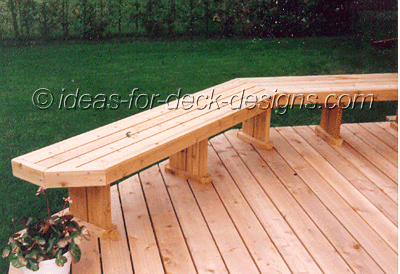
Credit: www.decksgo.com
Planning Your Deck Layout
Planning your deck layout is the first step to creating a comfortable outdoor space. It helps you use space well and avoid problems later. When you build a deck with benches instead of railings, careful planning makes the area both safe and inviting.
Think about how much room you have and where you want to place benches. This will affect how you move around the deck and how much seating you get. Good planning also helps keep the deck balanced and attractive.
Measuring And Marking Space
Start by measuring the total area where your deck will go. Use a tape measure and mark the corners with stakes or chalk. Check the measurements twice to avoid mistakes.
Mark where the benches will go. Leave enough space for walking and furniture. Make sure the deck size fits your yard and home style.
Bench Placement Ideas
Place benches along the edges of the deck. This saves space and replaces railings with seating. You can also create a corner bench to use space well.
Think about adding benches with storage underneath. It helps keep the area tidy. Keep benches at a height that is easy to sit on and get up from.
Considering Access Points
Plan where people will enter and exit the deck. Leave clear paths without obstacles. Avoid placing benches where they block doors or walkways.
Check for safe steps or ramps if your deck is raised. Make sure benches do not block these access points. Good flow makes your deck easy and safe to use.
Foundation And Support
The foundation and support of your deck are key to its safety and durability. This part holds everything up and keeps the deck steady. Benches instead of railings add weight, so a strong base is crucial. Proper footings and a solid frame make the deck last for years. Follow simple steps to build a firm foundation.
Installing Footings
Footings carry the deck’s weight down to the ground. Start by digging holes below the frost line to avoid movement. Use concrete in these holes to create a strong base. Place metal post anchors in the concrete while it is wet. These anchors will hold the vertical posts firmly.
Building The Frame
The frame connects the footings and holds the deck boards and benches. Use treated lumber to resist moisture and insects. Attach the beams to the post anchors tightly. Add joists across the beams for extra support. Space the joists evenly to keep the deck sturdy and balanced.
Ensuring Stability
Stability keeps the deck safe and comfortable. Secure all connections with strong bolts and screws. Add diagonal braces between posts and beams to stop wobbling. Check the frame with a level to keep it flat. Double-check every post and beam before adding benches or deck boards.

Credit: www.youtube.com
Constructing The Deck Floor
Constructing the deck floor is a key step in building your deck with benches instead of railings. The floor must be strong and even to support people and furniture. Proper planning and careful work make the deck safe and comfortable. Focus on laying deck boards, spacing and alignment, and securing the surface.
Laying Deck Boards
Start by choosing the right wood for your deck boards. Cedar and pressure-treated lumber work well outside. Lay the boards across the joists. Use a saw to cut boards to fit the deck shape. Begin at one edge and work your way across. Make sure each board rests fully on the joists for support.
Spacing And Alignment
Leave small gaps between boards to allow water drainage. A spacing of about 1/8 inch is standard. Use spacers or a nail to keep gaps even. Keep boards aligned straight along the deck’s edge. Use a chalk line or string to guide your layout. Proper spacing and alignment prevent warping and water damage.
Securing The Surface
Fasten the boards with deck screws or nails. Screws hold better and reduce movement over time. Drive screws at an angle near the board edges. Avoid placing screws too close to the board ends. Check that each board is tight and secure. A solid surface keeps the deck safe and sturdy for benches and guests.
Building Bench Structures
Building benches instead of railings adds style and function to your deck. Benches give extra seating and create a cozy feel. They also make the deck safer, acting as a barrier without blocking the view. Proper planning and construction ensure strong, lasting benches.
This section covers how to design bench frames, attach benches securely, and add comfort features. Follow these steps for a deck that looks great and is easy to use.
Designing Bench Frames
Start with a strong frame for stability. Use pressure-treated wood for durability against weather. The frame should be wide enough to hold the seat and support weight. Plan the height to match comfortable seating, usually 16 to 18 inches high. Add support beams under the seat for extra strength. Design the frame to fit the shape of your deck’s edges.
Attaching Benches To Deck
Secure the bench frame firmly to the deck. Use galvanized screws to prevent rust. Attach the bench legs to the deck joists for stability. Check that the bench does not wobble or move. Seal any gaps between the bench and deck to avoid water damage. Test the bench by sitting and adjusting if needed.
Adding Comfort Features
Add cushions or pillows for softness and style. Use weather-resistant fabrics to protect against rain and sun. Consider angled backrests for better comfort. Rounded edges on benches prevent injuries. Paint or stain the bench to match the deck and protect wood. Small armrests can make seating more enjoyable.
Finishing Touches
Finishing touches make your deck with benches look great and last longer. These steps protect the wood and improve its feel. Pay close attention to detail. A smooth, sealed deck invites you to sit and relax.
Sanding And Smoothing Edges
Start by sanding all surfaces with fine-grit sandpaper. Smooth edges prevent splinters and make the deck safer. Sand along the grain of the wood for best results. Focus on corners and bench edges where people touch most. Wipe away dust after sanding to prepare for staining.
Applying Stain Or Paint
Choose a stain or paint made for outdoor wood. Stain highlights the wood’s natural look and grain. Paint offers more color options and coverage. Apply with a brush or roller evenly. Let the first coat dry fully before adding a second. This step adds beauty and helps protect against sun damage.
Sealing For Weather Protection
Seal your deck with a clear outdoor sealer. This layer guards against water, mold, and fading. Use a product that suits your climate and wood type. Apply the sealer evenly over all surfaces and edges. Allow it to dry completely before using the deck. Sealing extends your deck’s life and keeps benches looking fresh.
Safety Considerations
Building a deck with benches instead of railings offers a fresh look and extra seating. Safety must come first to avoid accidents and injuries. Careful planning and strong materials keep your deck safe and sturdy.
Weight Support And Load
Benches must hold the weight of people sitting on them. Use strong wood or metal for the bench frame. Attach benches firmly to the deck structure. Check local building codes for load requirements. Test the bench by applying pressure before regular use.
Preventing Splinters And Sharp Edges
Wood can cause splinters if not sanded smooth. Sand all surfaces and edges of the benches carefully. Use rounded edges instead of sharp corners. Apply a weather-resistant sealant to protect the wood. Regularly check for cracks or rough spots and fix them quickly.
Child And Pet Safety Tips
Benches should not have gaps where small hands or paws can get stuck. Make sure bench height is safe for children to climb on and off. Avoid nails or screws sticking out. Use non-toxic finishes to protect kids and pets. Supervise children and pets around the deck to prevent falls.
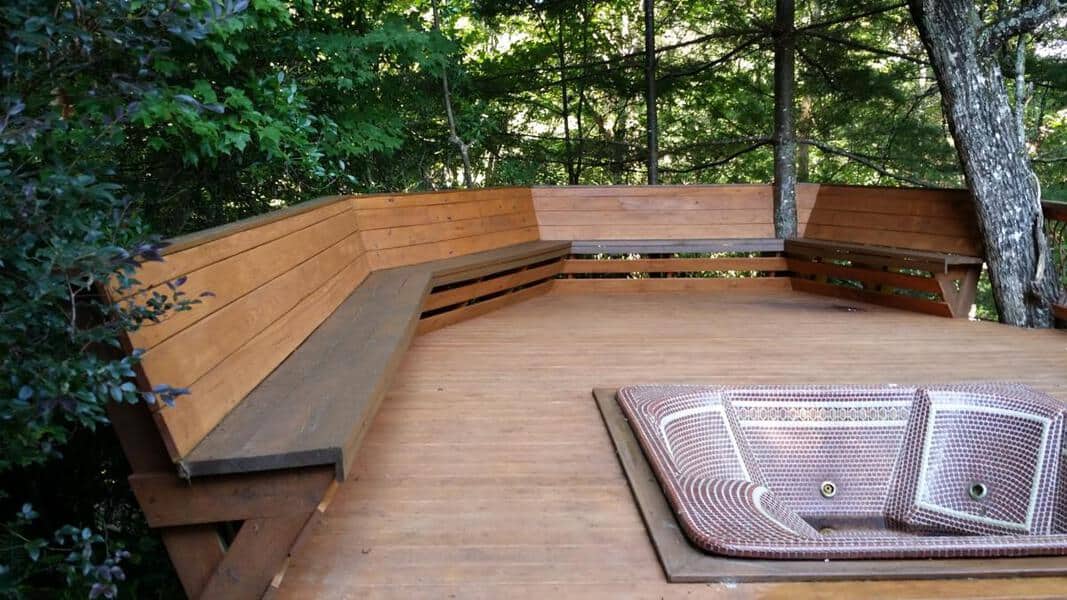
Credit: awoodrailing.com
Maintenance Tips
Maintaining a deck with benches instead of railings keeps it safe and attractive. Regular care prevents damage and extends the deck’s life. Follow these simple tips to keep your deck in great shape.
Regular Cleaning
Clean the deck often to remove dirt and debris. Sweep leaves and dust off the benches and floor. Use mild soap and water for a deeper clean. Avoid harsh chemicals that can harm the wood. Rinse well and let the deck dry completely.
Inspecting For Damage
Check the deck for cracks, splinters, or loose boards. Look closely at the benches for signs of wear. Tighten any loose screws or nails. Replace damaged wood parts quickly to avoid bigger problems. Early repairs keep the deck strong and safe.
Reapplying Sealant
Apply a sealant every one to two years to protect the wood. Choose a sealant made for outdoor decks. Clean the surface before sealing to help the sealant stick. Use a brush or roller to apply an even coat. Let it dry fully before using the deck again.
Frequently Asked Questions
What Materials Work Best For Deck Benches Instead Of Railings?
Wood like cedar or redwood is popular for deck benches. These woods resist rot and look good. Pressure-treated lumber is also a budget-friendly choice.
How Do Benches Improve Deck Safety Compared To Railings?
Benches provide a solid barrier to stop falls. They add seating and create a safe edge. Benches keep kids and pets from falling off.
Can I Build Benches On All Deck Sizes?
Benches fit well on most decks, large or small. Measure space carefully to keep enough walking room. Custom-built benches can maximize small deck areas.
How Much Time Does Building Bench Decks Usually Take?
Building benches may take one to three days. It depends on your skill and bench design. Simple benches are faster; detailed ones need more time.
What Tools Are Needed To Build A Deck With Benches?
Basic tools include a saw, drill, screwdriver, and measuring tape. A level helps keep benches even. Safety gear like gloves and goggles is important.
Conclusion
Building a deck with benches instead of railings creates a cozy space. Benches add extra seating for friends and family. They make the deck feel open and inviting. This design also saves space and offers a clean look. Use sturdy materials to ensure your benches last long.
Plan carefully to balance comfort and safety. With simple steps, you can enjoy a unique outdoor area. Your deck becomes a perfect spot for relaxing or chatting. Try this idea to make your deck both useful and stylish.