
If you’ve ever held a saw with an uncomfortable or broken handle, you know how much it can affect your work. Making your own wooden handle is easier than you think, and it lets you customize the grip just the way you want it.
In this guide, you’ll learn simple steps to craft a sturdy, comfortable handle that fits your saw perfectly. By the end, you’ll not only save money but also gain a sense of pride every time you use your saw. Ready to transform your tool and improve your woodworking experience?
Let’s get started!
Choosing The Right Wood
Choosing the right wood is key to making a strong saw handle. The wood must be tough and comfortable to hold. It should not break or wear out quickly. Picking the right type of wood helps the handle last longer and feel better in your hand. Understanding wood types, grain, and quality helps you find the best wood for your saw handle.
Best Wood Types For Handles
Hardwoods like hickory, ash, and oak are great for saw handles. These woods are strong and resist impact. They also feel smooth and comfortable to grip. Hickory is popular because it absorbs shock well. Ash is light but tough. Oak offers durability and a nice look. Avoid softwoods, which can break easily.
Wood Grain And Durability
Look for straight wood grain along the handle length. Straight grain adds strength and prevents cracks. Avoid twisted or knotty grain, which weakens the handle. Tight grain patterns hold up better under pressure. Good grain helps the wood resist bending and splitting. This makes the handle safer and longer-lasting.
Sourcing Quality Wood
Choose wood that is dry and free from defects. Wet or green wood can warp as it dries. Check for cracks, knots, and holes. These flaws reduce strength. Buy wood from trusted suppliers or lumber yards. You can also find quality wood at woodworking stores. Using good wood helps your saw handle perform well over time.

Credit: www.youtube.com
Gathering Your Tools
Before starting your wooden saw handle project, gather all needed tools. Having the right tools ready helps your work go smoothly. It also keeps you safe and saves time. Prepare your workspace with good light and enough room to move.
Essential Hand Tools
Start with a saw to cut the wood to shape. Use a chisel to carve details and smooth edges. A hammer or mallet helps with fitting parts together. Include a hand drill for making holes. Sandpaper or a sanding block finishes the surface. A ruler or tape measure ensures correct size.
Safety Equipment
Wear safety glasses to protect your eyes from dust and chips. Use gloves to guard your hands from splinters and cuts. A dust mask keeps you from breathing sawdust. Ear protection is important if you use loud tools. Keep a first aid kit nearby for minor injuries.
Optional Power Tools
A power sander speeds up smoothing the wood. An electric drill makes holes faster and easier. A jigsaw helps cut curves with precision. A rotary tool allows detailed carving and shaping. These tools are not required but can save effort. Choose based on your skill and tool availability.
Measuring And Marking
Measuring and marking are the first steps in making a wooden handle for a saw. These steps ensure the handle fits well and feels comfortable. Accurate measurements and clear marks help avoid mistakes during cutting and shaping. Taking time here makes the whole process easier and more precise.
Determining Handle Size
Start by deciding the handle size. Measure your hand or an old handle that fits well. The length should allow a firm grip without slipping. Width and thickness depend on hand size and saw type. Write down the exact numbers to use for marking the wood.
Marking The Wood Precisely
Use a pencil and ruler to mark the wood clearly. Draw straight lines for the handle length and width. Mark the edges carefully to guide your cuts. Double-check all marks before cutting. Precision here saves time and prevents errors later.
Planning The Grip Shape
Think about the shape of the grip for comfort. Mark curves or contours that fit your fingers. Draw smooth lines to avoid sharp edges. Plan the grip size to reduce hand fatigue during use. Clear markings make shaping the handle easier and more accurate.
Cutting The Handle Shape
Cutting the handle shape is a key step in making a wooden saw handle. This stage gives the handle its form and feel. A well-shaped handle fits comfortably in your hand and improves your control over the saw.
Start by cutting the rough outline. Then, refine the shape with careful tools. Finally, smooth the edges for a clean finish. Each step helps make the handle strong and easy to hold.
Using A Saw For Rough Cuts
Begin by marking the handle shape on the wood. Use a pencil or marker for clear lines. A handsaw or jigsaw works well for cutting the rough outline. Cut slowly and follow the lines closely. This step removes large pieces of wood fast. Leave some extra wood for shaping later. Rough cuts save time and prepare the handle for fine work.
Shaping With A Chisel
Next, use a chisel to shape the handle’s curves and contours. Hold the chisel at a slight angle for better control. Remove small amounts of wood with each cut. Work slowly to avoid mistakes. Chisels help create smooth curves and fit the handle to your hand. Take breaks to check the shape often. This careful shaping makes the handle comfortable and strong.
Sanding For Smooth Edges
After shaping, sand the handle to smooth rough spots. Start with coarse sandpaper to remove tool marks. Then use finer sandpaper for a soft finish. Sand all edges and surfaces evenly. Smooth edges prevent splinters and improve comfort. Use a sanding block or sponge for better control. Take your time and check the handle by touch. A well-sanded handle feels good and looks neat.
Drilling Holes For Attachment
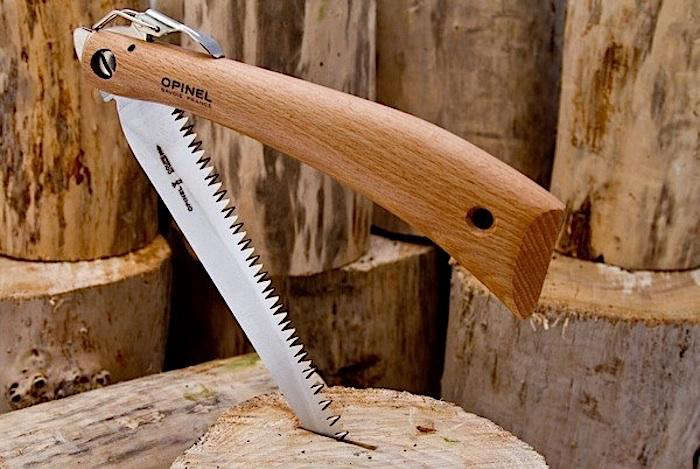
Drilling holes for attaching the saw handle is a key step. It ensures the handle fits securely on the saw blade. Precise holes prevent wobbling and make the handle strong. Take your time to mark and drill carefully for the best results.
Marking Drill Points
Start by marking exact points for the holes on the wooden handle. Use a ruler to measure distances evenly. Mark spots with a pencil so you can see them clearly. Double-check the marks to keep holes aligned with the saw blade.
Selecting Drill Bit Sizes
Choose drill bit sizes that match the saw’s attachment screws. Too small bits make holes tight and may split the wood. Too large bits make holes loose and weak. Select bits that fit screws snugly for a strong hold.
Drilling Safely And Accurately
Secure the handle on a stable surface before drilling. Hold the drill straight and steady to avoid angled holes. Drill slowly at first to prevent wood from splitting. Wear safety glasses to protect your eyes from dust and wood chips.
Credit: www.gardenista.com
Attaching The Handle To The Saw Blade
Attaching the handle to the saw blade is a key step in making a wooden handle for a saw. This step ensures the saw is comfortable to use and safe. The handle must fit well and stay firmly in place. Proper attachment improves control and reduces hand fatigue during cutting tasks.
Follow each step carefully to attach the handle securely. Check the fit often to avoid mistakes. Use the right tools to keep everything aligned and tight. A well-attached handle makes the saw ready for any job.
Aligning The Handle And Blade
Place the wooden handle against the saw blade’s tang. The tang is the thin metal part that fits inside the handle. Make sure the handle fits snugly around the tang. Align the handle so it feels natural in your hand. The blade should line up straight with the handle’s center. Double-check the alignment before moving on.
Securing With Screws Or Rivets
Use screws or rivets to fasten the handle to the blade. Drill small pilot holes in the handle to avoid splitting the wood. Insert screws or rivets through the holes and into the tang. Tighten each fastener evenly to keep the handle stable. Avoid over-tightening, which can crack the wood. Choose rust-resistant screws or rivets for durability.
Checking For Stability
Hold the saw by the handle and check for any wiggle. The handle should feel solid and not move on the blade. Test by gently pulling and twisting the handle. If loose, tighten the screws or rivets again. Sand any rough edges around the fasteners for comfort. A stable handle ensures safe and efficient sawing.
Finishing Touches
The finishing touches give your wooden saw handle a smooth, polished look. These steps improve comfort and protect the wood. A well-finished handle lasts longer and feels better in your hand. Follow these simple tips to complete your project.
Sanding For Comfort
Start by sanding the handle with fine-grit sandpaper. Sand all surfaces evenly to remove rough spots. Focus on edges and curves to avoid sharp areas. Smooth wood feels good and prevents blisters during use. Wipe away dust with a clean cloth before finishing.
Applying Wood Finish
Choose a wood finish that protects and enhances the grain. Options include oil, varnish, or wax. Apply a thin, even coat using a brush or cloth. Let the finish dry completely before adding more layers. Two or three coats provide good protection and shine. This step keeps the wood safe from moisture and dirt.
Maintaining Your Handle
Regular maintenance keeps your handle in top shape. Clean it with a damp cloth after use and dry well. Reapply oil or finish every few months to prevent drying and cracking. Store the saw in a dry place to avoid damage. Well-maintained handles last longer and stay comfortable.

Credit: www.youtube.com
Frequently Asked Questions
How Do I Choose Wood For A Saw Handle?
Select hardwood like oak, maple, or walnut for strength and durability. Avoid softwoods, which wear out quickly. The wood should also be smooth and free of cracks.
What Tools Are Needed To Make A Wooden Saw Handle?
Basic tools include a saw, drill, sandpaper, and clamps. A chisel and file help shape the handle. These tools make the process easier and safer.
How Do I Attach The Wooden Handle To The Saw Blade?
Drill holes to match the blade’s holes, then use screws to fasten tightly. Make sure the handle fits snugly for better control. Use washers if needed for a secure fit.
How Do I Shape A Comfortable Grip On A Wooden Handle?
Carve the wood to fit your hand’s curve for comfort. Sand the handle smooth to avoid splinters. Test the grip before final sanding.
How Do I Finish A Wooden Saw Handle For Durability?
Apply oil or varnish to protect wood from moisture and wear. Let the finish dry completely before use. Reapply finish yearly to keep the handle strong.
Conclusion
Making a wooden handle for a saw takes patience and care. Choose the right wood and tools for best results. Shape the handle to fit your hand comfortably. Sand it smooth to avoid splinters and finish with oil or varnish.
A good handle improves your grip and control. Enjoy the satisfaction of using a tool you made yourself. Keep practicing to improve your woodworking skills. Simple steps lead to great results. Ready to try your own wooden saw handle?