If your Carrier furnace is showing blinking lights, it’s trying to tell you something important. Those flashing codes are more than just a nuisance—they’re your furnace’s way of diagnosing problems quickly.
Understanding what each blinking light means can save you time, money, and stress. You’ll learn how to decode those signals easily, so you can take the right steps to keep your home warm and comfortable. Don’t ignore those lights—read on to find out what your furnace is really saying.
Carrier Furnace Light Codes
Carrier furnaces use blinking lights to show their status. These lights help users and technicians know if the furnace is working well or if it has a problem. Understanding these light codes can save time and money by identifying issues early.
Each blinking pattern has a specific meaning. It tells what part of the furnace needs attention or repair. Learning these signals makes it easier to decide the next step.
What The Blinking Lights Mean
The furnace has a small light on the control board. This light blinks in a pattern to send messages. A steady light usually means the furnace is running fine.
Blinking lights indicate a fault or error. The number of blinks shows the type of problem. For example, one blink might mean a thermostat issue. Multiple blinks can point to sensor or ignition problems.
Technicians use these codes to diagnose and fix faults fast. Homeowners can note the blink pattern before calling for help.
Common Light Code Patterns
One blink often means the furnace is in normal operation or standby. Two blinks might signal a pressure switch problem. Three blinks can show a limit switch or rollout issue.
Four blinks usually mean there is an ignition failure. Five blinks could indicate a flame sense problem. Six blinks often relate to a rollout switch or sensor fault.
Each pattern helps pinpoint exact issues inside the furnace. Knowing these codes helps avoid guessing and unnecessary repairs.

Credit: www.youtube.com
Diagnosing Furnace Issues
Diagnosing furnace issues starts with understanding the blinking light codes. Carrier furnaces use these signals to show specific problems. Reading these codes helps to find the exact issue fast. This can save time and money on repairs.
Each blink pattern means something different. Some codes point to simple fixes, like a dirty filter. Others may signal serious problems needing expert help. Knowing what the light codes mean is key to proper troubleshooting.
Interpreting Error Signals
Carrier furnaces use blinking lights to send error messages. Count the number of blinks in a sequence. The pattern repeats after a pause. This number matches a specific fault in the furnace.
For example, three blinks may indicate an ignition failure. Five blinks could mean a pressure switch problem. The furnace manual or Carrier’s website lists these codes clearly. Match the blink count to the code for quick diagnosis.
Using A Multimeter For Checks
A multimeter helps test electrical parts in your furnace. It measures voltage, current, and resistance. This tool confirms if components work properly.
Start by turning off the furnace power. Test the thermostat wires for voltage. Check the continuity of fuses and sensors. A broken wire or faulty sensor often causes blinking errors.
Use the multimeter readings to pinpoint the faulty part. This method avoids guesswork and speeds up repairs. It also ensures safety by verifying electrical connections.
Quick Fixes For Common Problems
Carrier furnace blinking light codes often signal simple issues. These quick fixes solve many common problems fast. Understanding basic steps helps avoid costly repairs. Start with easy actions to get your furnace running smoothly again.
Resetting The Furnace
Resetting the furnace clears minor errors. First, turn off the furnace power switch. Wait for about five minutes to let it reset. Turn the power back on and watch the blinking light. If the light stops blinking, the reset worked. Repeat this process if the light keeps blinking.
Cleaning And Maintenance Tips
Dirty parts can cause blinking light codes. Clean the furnace filter every one to three months. A clean filter improves airflow and furnace performance. Remove dust and debris from around the furnace. Check the blower fan and clean if dirty. Regular cleaning stops many common furnace problems early.

Credit: dependablehvacatlanta.com
When To Call A Professional
Knowing when to call a professional for your Carrier furnace is crucial. Some blinking light codes signal problems that need expert attention. Acting fast can prevent bigger issues and keep your home safe. Understanding these signs helps you decide the right time to get help.
Safety Concerns
Furnace problems can cause gas leaks or electrical hazards. These risks are dangerous without proper tools and knowledge. A professional has the right training to handle these safely. Never try to fix gas or electrical issues yourself. Protect your family by calling an expert immediately.
Complex Repairs Beyond Diy
Some blinking codes point to complex problems inside the furnace. These issues need special tools and skills to repair. Trying to fix them without experience can cause more damage. Professionals can diagnose and fix problems quickly and correctly. Trusting experts saves time and prevents costly repairs later.
Preventing Future Errors
Preventing future errors in your Carrier furnace helps keep your home warm and safe. Small issues can grow into big problems. Taking steps to avoid errors saves time and money. Regular care keeps the furnace running smoothly all winter long.
Regular Inspection Routines
Check your furnace every few months. Look for dirt, dust, or worn parts. Clean or replace the air filter to improve airflow. Inspect the flame sensor and burners for dirt buildup. Clear any blockages in the vents and exhaust pipes. Regular checks catch small problems early. This lowers the risk of furnace errors and blinking light codes.
Upgrading Furnace Components
Older parts can cause frequent errors. Replace worn-out thermostats or control boards with newer models. Upgraded components offer better performance and reliability. Newer parts also use less energy, saving money. Consult a professional to choose the best upgrades. Modern parts reduce blinking light codes and improve furnace life.
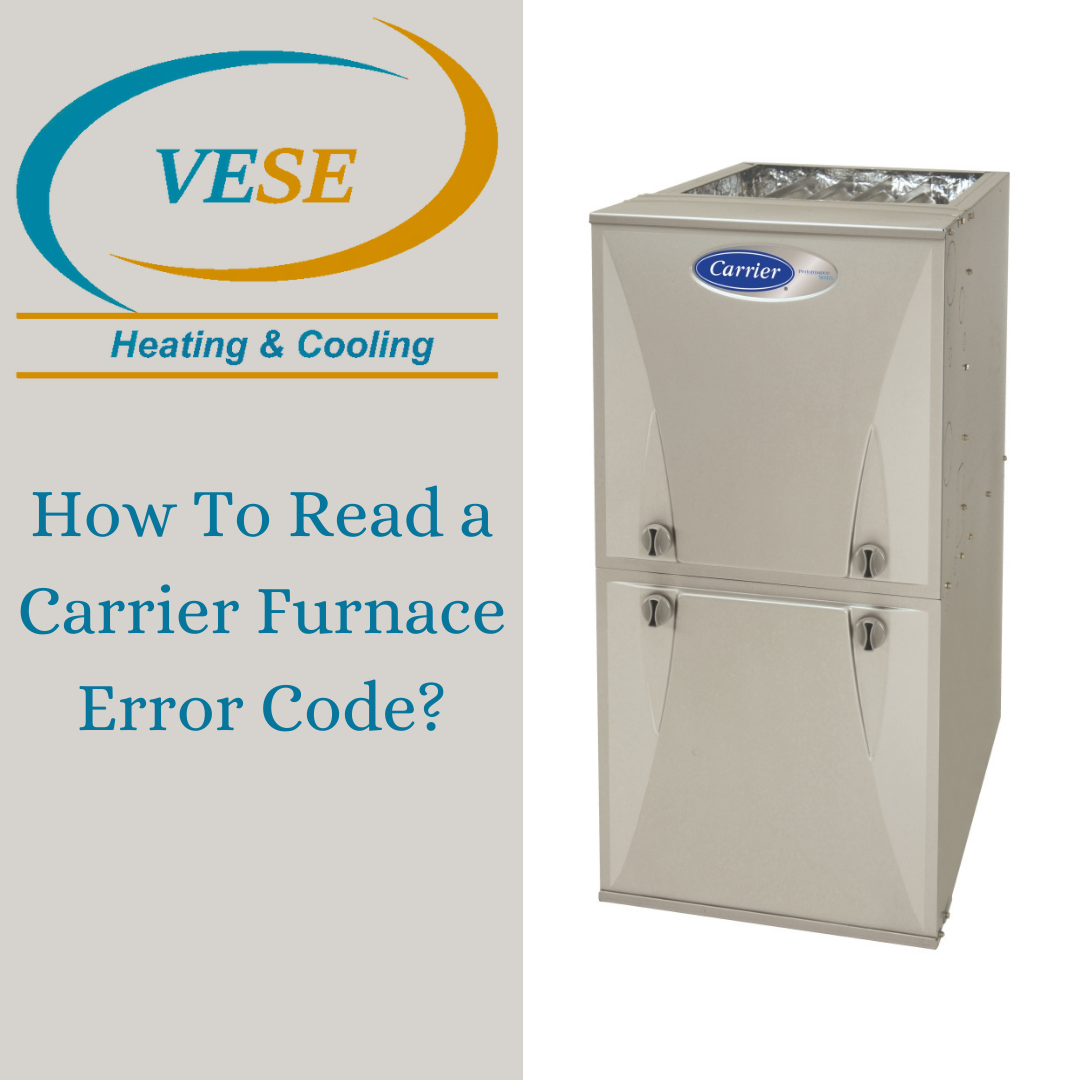
Credit: vese.ca
Frequently Asked Questions
What Do Carrier Furnace Blinking Light Codes Mean?
Carrier furnace blinking lights show error codes. They help identify problems with the furnace quickly. Each pattern of blinks points to a specific issue.
How Can I Read Carrier Furnace Error Codes?
Count the number of blinks in a pattern. Refer to the furnace manual for the meaning. This helps diagnose the furnace’s problem easily.
Why Is My Carrier Furnace Light Blinking Rapidly?
Rapid blinking often signals a serious fault or lockout. It means the furnace needs attention or service. Check the code pattern to know the exact issue.
Can I Fix Carrier Furnace Blinking Light Issues Myself?
Simple issues like dirty filters can be fixed at home. For complex problems, call a professional technician. Safety is important when working with furnaces.
How Do Blinking Codes Help With Furnace Maintenance?
Blinking codes show which parts need checking or repair. They guide timely maintenance to keep the furnace running well. This prevents bigger problems later.
Conclusion
Carrier furnace blinking light codes help spot problems fast. Each code tells you what needs fixing. Knowing these codes saves time and money. Check your furnace manual to match the code. Fix small issues early to avoid big repairs. Stay safe by turning off the furnace before any work.
If unsure, call a professional for help. Keeping your furnace in good shape keeps your home warm. Understanding these codes makes furnace care easier.