
Lighting can completely change the feel of your living room. If you’ve ever wondered where to put sconces in the living room, you’re about to discover how the right spots can create warmth, highlight your favorite features, and make your space look more inviting.
You don’t need to be an expert to get this right. With a few simple tips, you’ll learn how to place sconces so they work perfectly with your furniture and style. Keep reading, and you’ll soon see how small changes in lighting can make a big difference in your home.

Credit: www.houzz.com
Choosing The Right Wall
Choosing the right wall for sconces is key to good lighting in your living room. It affects how light spreads and how the room feels. Some walls work better than others depending on the room layout and furniture.
Think about where you spend most of your time. Walls near seating areas or artwork often make great spots. The right wall can highlight features and make the space cozy.
Balancing Light Distribution
Place sconces on walls that help spread light evenly. Avoid walls that cause dark corners or harsh spots. Balanced light makes the room comfortable and inviting.
Try placing sconces at eye level. This helps light flow across the room. Using pairs of sconces on opposite walls can also balance the light well.
Avoiding Glare And Shadows
Choose walls that reduce glare on screens and shiny surfaces. Glare can be annoying and strain your eyes. Shadows can make the room look smaller and less open.
Place sconces away from direct line of sight. Use shades or diffusers to soften the light. Check the room at different times to avoid unwanted shadows.
Credit: www.homesandgardens.com
Height And Spacing Guidelines
Choosing the right height and spacing for sconces in your living room is important. Proper placement helps create balanced lighting and a pleasing look. It also improves the room’s atmosphere and makes the space feel inviting.
Understanding basic height and spacing rules makes your sconce installation easier. It ensures light spreads evenly and avoids dark spots or glare. Follow these simple guidelines to position your wall sconces perfectly.
Ideal Sconce Height
Mount sconces about 60 to 66 inches from the floor. This height suits most eye levels and prevents glare. If placing sconces near seating, keep them slightly higher to avoid blocking views. For rooms with high ceilings, raise sconces a few inches more. Always test the light to ensure comfort and style.
Spacing Between Fixtures
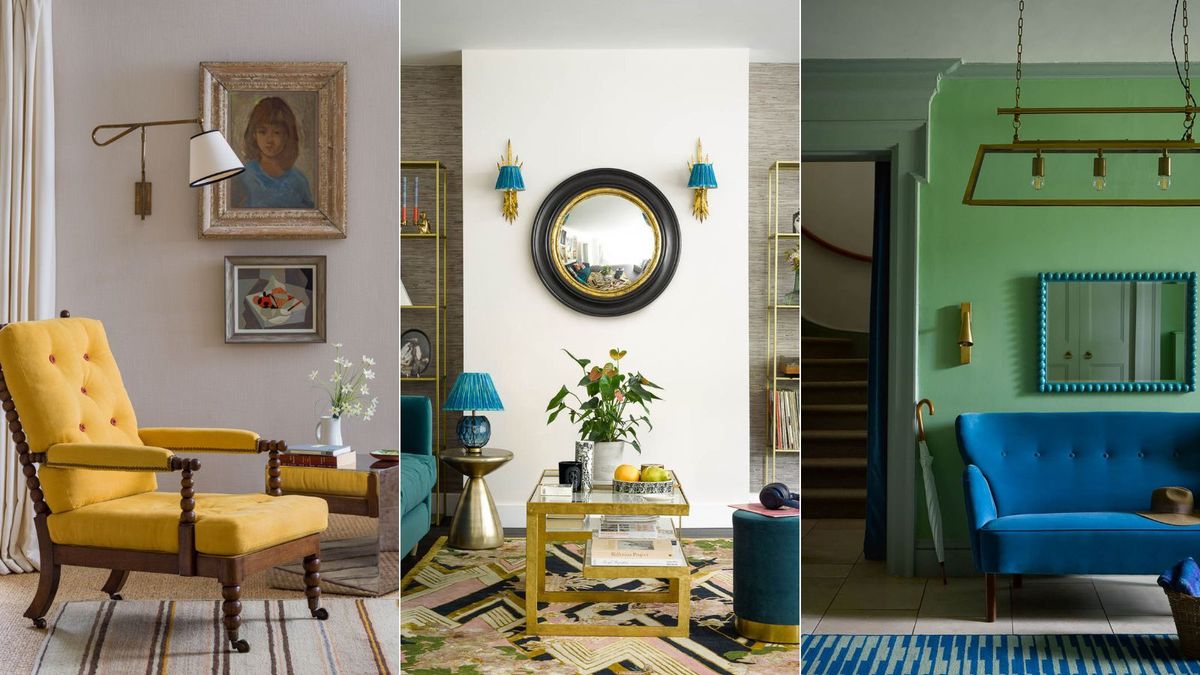
Space sconces 24 to 36 inches apart for balanced light. This distance creates an even glow without crowding the wall. For larger rooms, increase spacing to avoid clutter. Near mirrors or artwork, place sconces closer to highlight features. Keep spacing consistent to maintain a neat and elegant look.
Complementing Room Features
Sconces can do more than just light up a room. They add style and bring attention to special features. Placing sconces well can make your living room look warm and inviting. They help show off your favorite items and details clearly.
Highlighting Artwork And Decor
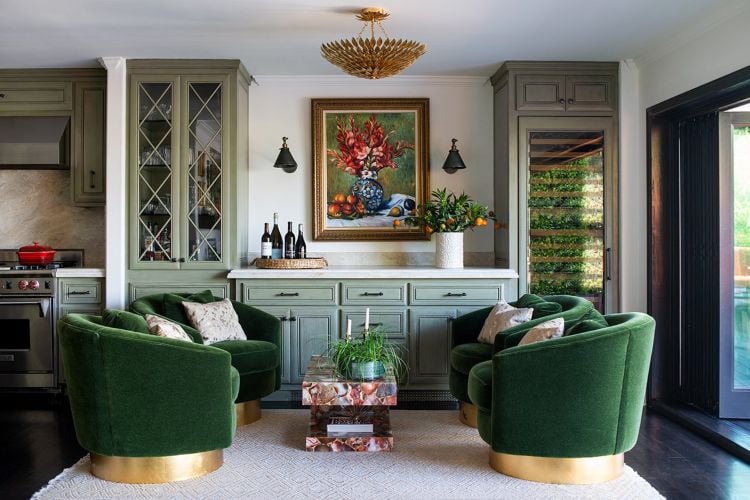
Use sconces to shine light on paintings or photos. Place them on each side of the artwork for balance. This draws the eye to your favorite pieces. It also creates a gallery-like feel in your living room. Choose soft light bulbs for a gentle glow that does not glare.
Enhancing Architectural Details
Sconces can emphasize arches, moldings, and other room shapes. Position sconces near these features to make them stand out. The light adds depth and makes the room feel larger. It also adds character and charm. Use sconces with a style that matches your room’s design for the best effect.
Credit: www.lightopia.com
Types Of Sconces And Their Placement
Sconces come in many styles and serve different purposes in a living room. Choosing the right type depends on the mood you want to create and the room’s layout. Proper placement helps highlight features or provide needed light without clutter.
Understanding the differences between sconce types helps you place them correctly. Some sconces spread light softly across walls. Others focus light on specific spots. Some can move to direct light. Others stay fixed in one position. Knowing these details guides the best placement choices for your living room.
Wall Washers Vs. Accent Lights
Wall washers spread light evenly across a wall. They brighten dark corners and open up small rooms. Place wall washers high on the wall to avoid glare. They work well near artwork or large furniture.
Accent lights focus on a specific area or object. Use accent sconces to highlight shelves, plants, or sculptures. Place them at eye level or slightly above for best effect. Accent lights add depth and interest to your living room.
Adjustable Vs. Fixed Sconces
Adjustable sconces offer flexibility. You can move the light to where you need it most. They are great for reading corners or workspaces. Mount adjustable sconces near seating areas for easy reach.
Fixed sconces provide steady, consistent light. They suit hallways or areas needing soft, background illumination. Place fixed sconces symmetrically on walls for a balanced look. Their fixed position keeps the design clean and simple.
Pairing With Other Lighting
Pairing sconces with other lighting sources creates balanced and inviting living room light. This mix helps fill dark corners and adds layers to the space. It also allows control over the mood and function of the room. Choosing the right combination boosts both style and comfort.
Combining With Ceiling Lights
Ceiling lights give general brightness to the room. Sconces add focused light and highlight walls or artwork. Use sconces to soften the harshness of overhead lights. This pairing makes the room feel warm and welcoming. Choose sconces that match the style of your ceiling lights for a unified look.
Using Sconces With Floor Lamps
Floor lamps provide flexible lighting for reading or tasks. Sconces offer fixed lighting without taking up floor space. Together, they create layers of light for different activities. Place sconces near seating areas and floor lamps where extra light is needed. This setup improves both function and design in your living room.
Creating Ambiance With Sconces
Sconces add warmth and style to any living room. They create a soft glow that changes the mood. Placing them right helps build a cozy and inviting space. Sconces can highlight art, corners, or seating areas. They offer light without the harshness of overhead lamps. This section explores how to use sconces to set the perfect ambiance.
Dimmers And Light Temperature
Dimmers let you control light brightness. Lower light makes the room feel calm and relaxed. Brighter light helps during reading or tasks. Choose sconces with adjustable dimmers for best effect. Light temperature also changes mood. Warm light feels cozy and soft. Cool light feels fresh and bright. Pick warm tones for a relaxing living room.
Layering Light For Comfort
Layering means using different lights in one room. Combine sconces with floor lamps and ceiling lights. This mix creates depth and balance. Sconces add a soft layer of light on walls. They avoid shadows and brighten dark corners. Layered light makes the space feel more natural. It also improves comfort and usability all day.
Frequently Asked Questions
Where Should Sconces Be Placed In A Living Room?
Sconces work well on either side of a fireplace or large artwork. They add balance and soft light to the room. Place them at eye level for best effect.
How High Should Living Room Sconces Be Installed?
Install sconces about 60 to 66 inches from the floor. This height keeps the light at eye level and avoids glare. It also complements most wall decorations.
Can Sconces Replace Ceiling Lights In Living Rooms?
Sconces can provide mood lighting but usually don’t replace ceiling lights. Use them to add ambiance or highlight features. Combine both for layered lighting.
What Style Of Sconces Suits Modern Living Rooms?
Simple, clean-lined sconces with metal or glass fit modern rooms best. Avoid overly ornate designs. Choose finishes like chrome, black, or brushed nickel.
How Many Sconces Are Needed For A Living Room?
Two to four sconces often work well depending on room size and layout. Place them evenly for balanced lighting. Adjust number based on other light sources.
Conclusion
Sconces add style and light to your living room walls. Place them near seating areas for soft, cozy lighting. They work well beside artwork or mirrors to highlight features. Think about room size and furniture when choosing spots. Balance is key—avoid overcrowding one wall.
With careful placement, sconces create warmth and charm. Try different heights to find what looks best. Light can change a room’s mood quickly. Choose spots that fit your daily life and style. Your living room will feel inviting and bright.