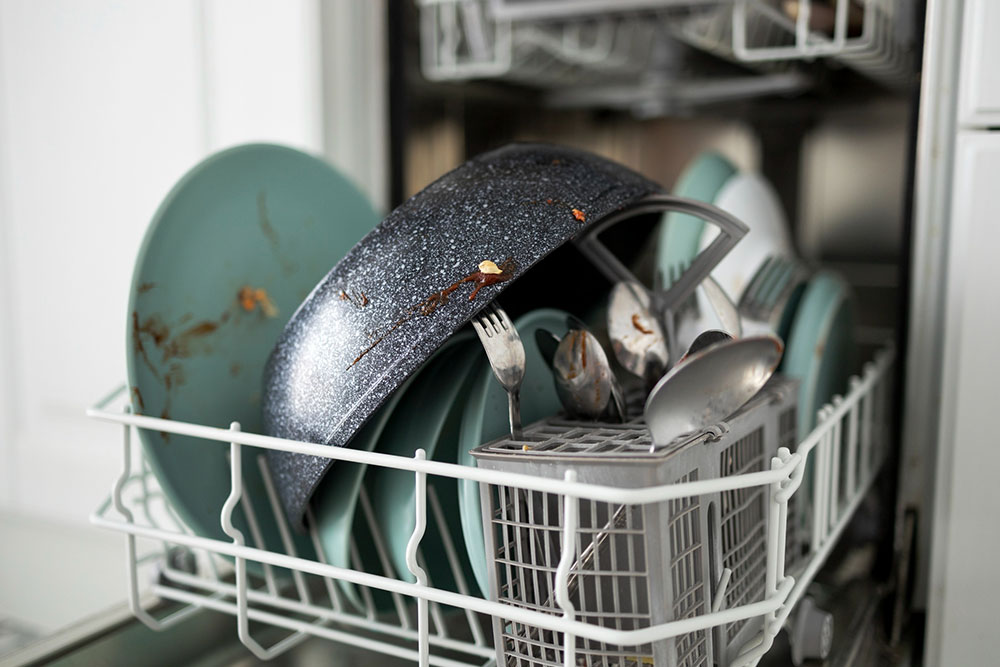
Is your Viking dishwasher not draining properly? If so, you know how frustrating it can be to find dishes still wet or water pooling at the bottom after a cycle.
You rely on your dishwasher to make life easier, and when it stops draining, it disrupts your routine. But don’t worry—this problem is often easier to fix than you think. You’ll discover simple steps to identify why your Viking dishwasher isn’t draining and how to get it working smoothly again.
Keep reading to save time, avoid costly repairs, and get your kitchen back in order.
Credit: appliancecowboys.com
Common Causes Of Drainage Issues
Drainage problems in Viking dishwashers happen for several simple reasons. These issues stop water from flowing out properly. Knowing the common causes helps you fix the problem faster. It also prevents damage to your dishwasher and kitchen.
Small parts can block water flow. Some parts may wear out or get damaged. Sometimes, the hose that drains water is bent or blocked. Problems with the garbage disposal connection can also cause trouble. Understanding these causes helps in troubleshooting and repair.
Clogged Drain Hose
Food particles and debris can clog the drain hose. This stops water from draining out. A clogged hose can cause water to pool inside the dishwasher. Cleaning the hose regularly keeps water flowing smoothly.
Blocked Filter
The filter catches food scraps during washing. If it gets blocked, water cannot drain well. A dirty filter also causes bad smells. Cleaning the filter every few weeks improves drainage and hygiene.
Faulty Drain Pump
The drain pump pushes water out of the dishwasher. If it breaks, water stays inside. A noisy pump or no drainage means it may need repair or replacement. Testing the pump helps find the issue quickly.
Kinked Or Twisted Hose
A bent or twisted drain hose blocks water flow. The hose must be straight and free of bends. Checking the hose position solves many drainage problems. Fixing the hose is an easy way to restore drainage.
Garbage Disposal Connection Problems
The dishwasher drain often connects to the garbage disposal. If this connection is loose or blocked, water backs up. Clearing the disposal and tightening connections help water drain properly. This step is important for good dishwasher drainage.
Tools Needed For Troubleshooting
Troubleshooting a Viking dishwasher that does not drain requires some basic tools. These tools help you open parts, check connections, and find problems safely. Having them ready makes the process easier and faster.
Each tool serves a specific purpose. They allow you to inspect and fix the dishwasher step by step. Here are the main tools needed to start troubleshooting.
Screwdrivers
Screwdrivers are essential for removing panels and screws. A set with different sizes and types works best. Phillips and flathead screwdrivers cover most dishwasher screws. They help you open the dishwasher safely.
Pliers
Pliers help grab and twist small parts or wires. Needle-nose pliers are useful for tight spaces. Use them to pull out stuck hoses or connectors. They provide a strong grip where fingers cannot reach.
Bucket And Towels
A bucket catches water that may spill during repairs. Towels help clean up leaks quickly. These items keep your workspace dry and safe. They prevent water damage to your floor or cabinets.
Multimeter
A multimeter tests electrical parts and circuits. It checks if components get power or have a short. Use it to find faulty switches or motors. This tool is important for electrical troubleshooting.
Flashlight
A flashlight lights up dark areas inside the dishwasher. It helps you see hidden parts clearly. Use it to inspect hoses, filters, and drains. Good lighting makes spotting problems easier and faster.
Step-by-step Drainage Fixes
Fixing a Viking dishwasher that does not drain is possible with simple steps. These drainage fixes help clear blockages and restore proper water flow. Follow each step carefully to avoid damage.
Start by checking common trouble spots. This way, you find the exact cause. The process is straightforward and saves money on repairs.
Unclogging The Drain Hose
First, turn off the dishwasher and unplug it. Locate the drain hose under the sink. Detach the hose gently from the drain or garbage disposal.
Use a long, flexible brush or a pipe cleaner. Push it through the hose to remove clogs. Flush the hose with warm water to clear debris. Reattach the hose securely to prevent leaks.
Cleaning The Filter And Drain Basket
Open the dishwasher door and remove the bottom rack. Find the filter and drain basket at the base. Take out the filter carefully and rinse it under running water.
Clear away any food particles and gunk. Clean the drain basket with a soft brush. Replace both parts in their proper place. This step prevents future drainage problems.
Inspecting And Testing The Drain Pump
Locate the drain pump, usually near the bottom of the dishwasher. Check for visible blockages or damage. Remove debris stuck in or around the pump.
Test the pump by running a short wash cycle. Listen for unusual noises that may indicate issues. Replace the pump if it does not work properly.
Straightening The Drain Hose
Check the drain hose for kinks or bends. Kinks can stop water from flowing out. Gently straighten the hose to allow smooth drainage.
Make sure the hose is not twisted or pinched behind cabinets or appliances. Proper hose alignment is key to good drainage.
Checking The Garbage Disposal Connection
If your dishwasher connects to a garbage disposal, inspect the connection point. Make sure the knockout plug is removed from the disposal inlet.
Clear any debris blocking the connection. Tighten the hose clamp to secure the hose. A proper connection avoids drainage issues and water backup.
When To Call A Professional
Knowing when to call a professional for your Viking dishwasher not draining can save time and money. Some problems need expert tools and skills. Trying to fix complex issues alone may cause more damage. A technician can diagnose the problem correctly and fix it safely.
Persistent Drainage Problems
Drainage issues that come back after cleaning or simple fixes need expert help. A professional can check hidden clogs or damaged parts. Persistent problems may signal pump or hose failures. Experts find and fix these problems quickly.
Electrical Component Issues
Dishwashers have many electrical parts controlling drainage. Faulty wiring, switches, or motors can stop draining. Testing and repairing electrical parts need safety knowledge. Only trained technicians should handle electrical dishwasher problems.
Warranty And Repair Costs
Check your dishwasher’s warranty before repairs. Some fixes may be free or cheaper with warranty coverage. Professional repairs can be costly but protect your appliance. Unauthorized repairs might void the warranty. Always call authorized technicians for warranty service.
Preventive Tips For Smooth Drainage
Keeping your Viking dishwasher draining smoothly takes some care. Small habits can stop big problems. Follow these simple tips to keep water flowing right and dishes clean.
Regular Cleaning Schedule
Set a plan to clean your dishwasher often. Run a cleaning cycle monthly with dishwasher cleaner. Wipe down door seals and edges to stop grime build-up. Clean filters every two weeks to remove trapped food. This keeps water flowing and prevents clogs.
Avoiding Food Debris Build-up
Rinse dishes before placing them inside. Large food pieces can block drains and filters. Use the garbage disposal for big scraps. Avoid overloading the dishwasher with dirty plates. Less debris means fewer chances of drainage trouble.
Proper Loading Techniques
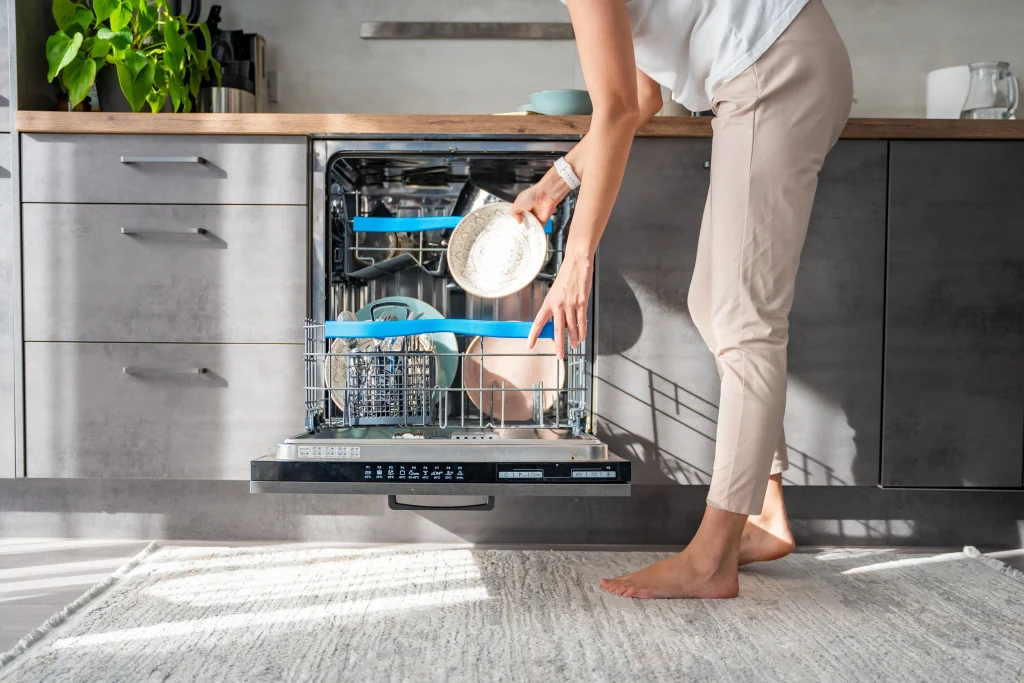
Place items so water can reach all surfaces. Avoid blocking spray arms with tall items. Load plates and bowls facing the center for better cleaning. Keep utensils separated to prevent clumping. Correct loading helps water flow freely and drains easily.
Credit: neighborhoodappliancerepairs.com
Credit: smartapplianceservices.com
Frequently Asked Questions
Why Is My Viking Dishwasher Not Draining Water?
A clog or blockage in the drain hose or filter often causes drainage issues.
How Do I Fix A Clogged Drain In My Viking Dishwasher?
Clean the drain filter and check the drain hose for any blockages or kinks.
Can A Faulty Drain Pump Cause Viking Dishwasher Drainage Problems?
Yes, a broken or damaged drain pump can stop water from draining properly.
How Often Should I Clean My Viking Dishwasher Drain Filter?
Clean the drain filter at least once a month to prevent clogs and drainage problems.
What If My Viking Dishwasher Still Won’t Drain After Cleaning?
Check the drain pump and hose for damage. Call a technician if needed.
Conclusion
A Viking dishwasher not draining can cause real trouble. Check the filter and drain hose for blockages first. Clear any debris to help water flow freely again. Sometimes, the pump or drain valve needs attention too. Regular cleaning keeps your dishwasher running well.
Don’t ignore small problems; they can get worse. Fixing drainage issues saves time and money. Trust your hands and simple tools to solve the issue. Keep your dishwasher working smoothly for clean dishes every time.