Are you struggling with your Truma Aquago water heater not working the way it should? You rely on it for hot water during your trips, and when it fails, it can turn your comfort into frustration.
Understanding common problems with the Truma Aquago water heater can save you time, money, and stress. You’ll discover the key issues that might be causing your heater to act up—and, more importantly, how to fix them quickly. Keep reading to take control and enjoy warm water without the hassle.
Common Issues
Truma Aquago water heaters are popular in many RVs and campers. Despite their reliability, users may face some common problems. These issues can affect comfort and the heater’s performance. Understanding these problems helps in quick troubleshooting and repair.
No Hot Water
The most common issue is no hot water. This can happen if the heater does not ignite or if the burner stops working. Sometimes, it is due to a gas supply problem or an electrical fault. Checking connections and gas levels often solves this problem.
Water Temperature Fluctuations
Water temperature that changes suddenly is frustrating. It might go from hot to cold without warning. This issue can be caused by a faulty thermostat or incorrect water pressure. Cleaning or replacing parts usually fixes this problem.
Error Codes
The Truma Aquago shows error codes to indicate issues. These codes help identify specific problems like sensor faults or gas supply errors. Reading the manual or a guide helps understand what each code means. This speeds up the repair process.
Ignition Failures
Ignition failure happens when the heater does not start. This can be due to dirty electrodes or a weak spark. Gas valve problems may also stop ignition. Regular maintenance and cleaning can prevent ignition failures.

Credit: produtoresflorestais.pt
Basic Troubleshooting
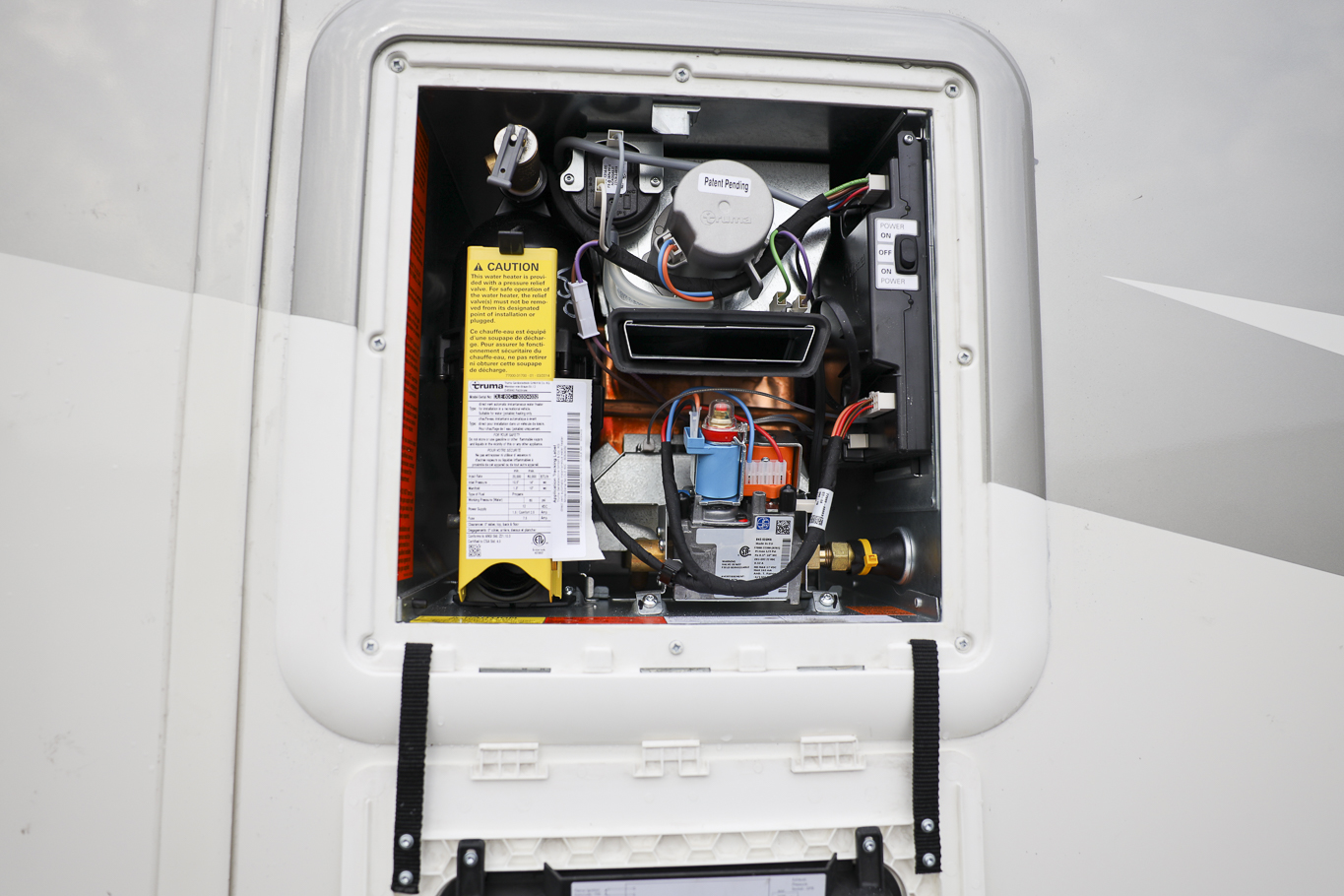
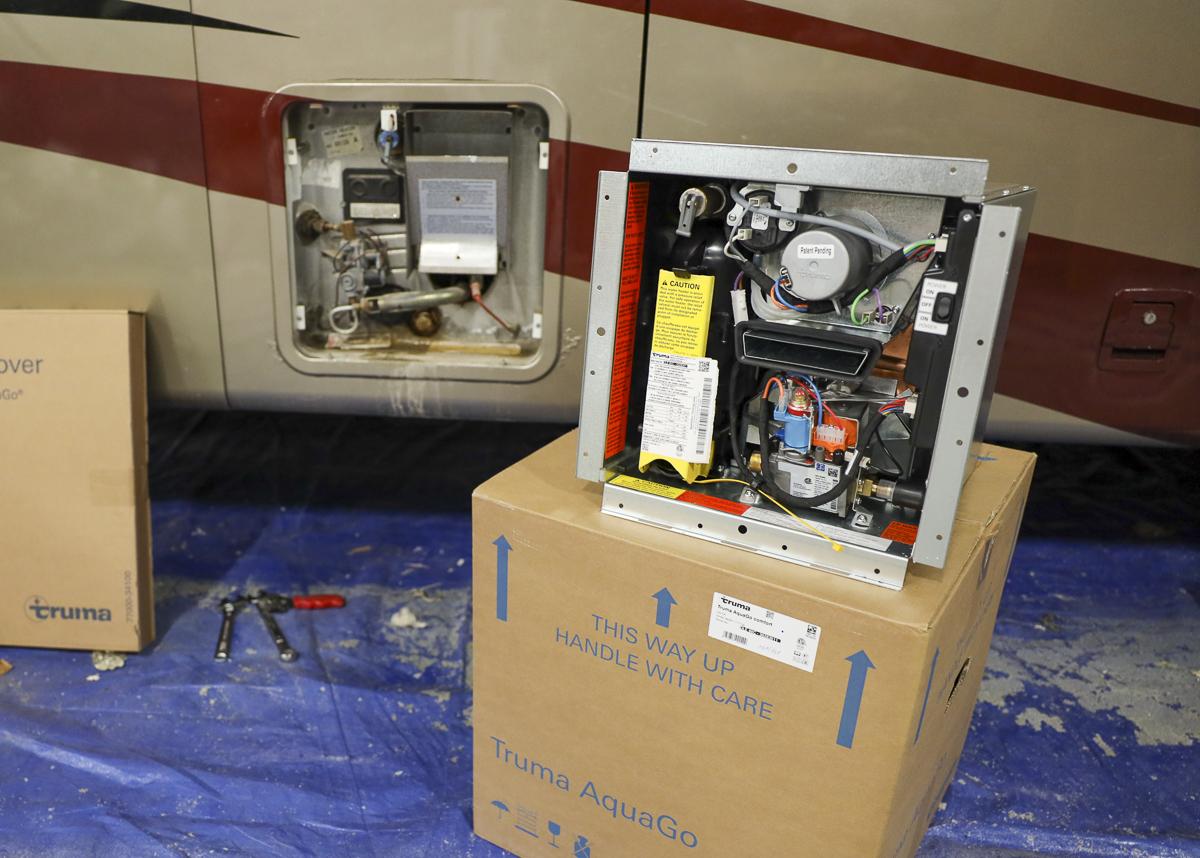
Basic troubleshooting helps fix common Truma Aquago water heater problems. It saves time and avoids costly repairs. Follow simple steps to find and solve issues quickly. This guide covers easy checks anyone can do.
Checking Power Supply
First, check if the heater has power. Make sure it is plugged in properly. Look for blown fuses or tripped circuit breakers. Without power, the heater will not work. Use a multimeter to test the outlet voltage if needed.
Inspecting Gas Connections
Next, examine all gas connections. Look for leaks or loose fittings. Smell for gas near the heater area. Tighten any loose parts carefully. Do not ignore the smell of gas. It is dangerous and needs immediate attention.
Resetting The Heater
Resetting can clear minor errors. Turn off the heater and wait 10 seconds. Turn it back on and watch for normal operation. This step often fixes control system glitches. Repeat if the heater still does not work.
Cleaning The Burner
Dirt or debris can block the burner. Turn off gas and power before cleaning. Use a soft brush to remove dust and soot. Check for signs of rust or damage. Clean burners improve heating efficiency and safety.
Quick Fixes
Truma Aquago water heaters can face some common problems. Many issues have quick fixes that you can try yourself. These simple steps can save time and avoid costly repairs. Follow the instructions carefully to restore your water heater’s performance fast.
Fixing Water Flow Problems
Check the water inlet for blockages. Clean any dirt or debris that may slow the flow. Make sure the valve is fully open. Inspect hoses for kinks or leaks. Replace damaged hoses to ensure smooth water flow. A clean filter helps keep water moving well.
Dealing With Low Pressure
Low water pressure often comes from clogged pipes or filters. Remove and clean the filter regularly. Check the water supply pressure; it should meet the heater’s needs. Tighten loose connections to prevent pressure loss. Sometimes, air trapped in pipes causes low pressure. Bleed the system to release trapped air.
Resolving Pilot Light Issues
The pilot light must stay lit for the heater to work. Clean the pilot burner to remove soot or dust. Check the gas supply; it should be on and steady. If the pilot light goes out often, inspect the thermocouple. Replace a faulty thermocouple to keep the flame burning. Relight the pilot according to the manual’s steps.
Maintenance Tips
Proper maintenance keeps your Truma Aquago water heater working well. It helps avoid common problems and extends the heater’s life. Follow these simple tips to maintain your water heater.
Regular Cleaning
Clean the water heater’s exterior regularly. Remove dust and dirt to prevent damage. Wipe with a damp cloth and mild soap. Avoid harsh chemicals that can harm the surface. Keep vents clear for good airflow.
Flushing The System
Flush the water heater to remove mineral buildup. Minerals can block pipes and reduce heating power. Run clean water through the system until it flows clear. Do this every few months to keep parts working smoothly.
Checking For Leaks
Look for leaks around pipes and connections. Leaks can cause water damage and reduce heater efficiency. Check seals and joints for cracks or wear. Fix leaks early to prevent bigger problems.
Replacing Filters
Change filters as recommended by the manufacturer. Dirty filters lower water quality and heater performance. Use the right filter type for your model. Regular replacements keep water clean and the system efficient.
When To Call A Professional
Knowing when to call a professional for your Truma Aquago water heater saves time and prevents damage. Some problems look simple but need expert help. Understanding the warning signs helps you act quickly.
Signs Of Serious Problems
Water leaks around the heater or pipes need immediate attention. Strange noises like banging or hissing show internal issues. No hot water or inconsistent heating means the unit may fail. Smell of gas or burning is a clear danger. These signs require a professional’s inspection.
Safety Precautions
Turn off the water heater if you notice leaks or strange smells. Avoid touching the unit if it feels hot or sparks appear. Never try to fix gas leaks yourself. Keep children and pets away from the heater. Always shut off the gas supply before calling a technician.
Choosing The Right Technician
Select a technician with experience in Truma Aquago models. Check for proper licenses and insurance. Read reviews and ask for recommendations. Choose someone who offers clear explanations and upfront costs. A skilled professional ensures your water heater works safely and well.
Credit: produtoresflorestais.pt
Credit: gnatesanandco.com
Frequently Asked Questions
What Are Common Truma Aquago Water Heater Problems?
Common issues include no hot water, leaks, and error codes on the display.
Why Does My Truma Aquago Heater Not Produce Hot Water?
This may be due to low battery, faulty ignition, or gas supply problems.
How Can I Fix A Leak In My Truma Aquago Water Heater?
Check connections and seals for damage; replace faulty parts to stop leaks.
What Does An Error Code On Truma Aquago Mean?
Error codes signal specific issues like overheating or sensor failure; consult the manual.
How Often Should I Service My Truma Aquago Water Heater?
Service the heater at least once a year for safe and efficient operation.
Can Low Battery Cause Truma Aquago Heater Problems?
Yes, low battery can prevent ignition and cause the heater to stop working.
How Do I Reset My Truma Aquago Water Heater?
Turn the unit off, wait a few seconds, and then turn it back on.
Why Is My Truma Aquago Water Heater Making Noise?
Noise can come from sediment build-up or air trapped inside the system.
Can Frozen Water Pipes Affect My Truma Aquago Heater?
Frozen pipes can block water flow and damage the heater’s components.
Is It Safe To Repair Truma Aquago Heater Myself?
Basic checks are fine, but complex repairs should be done by a professional.
Conclusion
Truma Aquago water heater problems can disrupt your comfort. Regular checks help spot issues early. Clean and maintain your heater often. Simple fixes can save time and money. Don’t ignore warning signs like no hot water or leaks. Seek expert help when problems persist.
A well-kept heater lasts longer and works better. Stay informed and keep your water warm. Safe travels and cozy showers await.