
Is your torpedo heater refusing to ignite when you need it most? It’s frustrating, especially when the cold won’t wait.
You rely on that heater to keep your space warm and comfortable, but now it just won’t start. Don’t worry—you’re not alone, and this problem usually has simple fixes. You’ll discover easy steps to get your torpedo heater firing up again quickly.
Keep reading, and you’ll soon be enjoying the warmth you deserve.
Common Causes Of Ignition Failure
When a torpedo heater won’t ignite, the cause often lies in common ignition problems. Knowing these causes helps you fix the issue faster. Many factors can stop your heater from starting properly. Most problems relate to fuel, igniter, airflow, or electricity. Understanding each can save time and money.
Fuel Supply Issues
Fuel is the lifeblood of a torpedo heater. If fuel does not reach the burner, ignition will fail. Check the fuel tank for enough gas or diesel. Old or dirty fuel can clog the system. Fuel lines can get blocked or cracked. These problems stop fuel flow and prevent ignition.
Igniter Malfunctions
The igniter creates the spark needed to start the heater. A weak or broken igniter won’t light the fuel. Dirt or corrosion on the igniter tip stops sparks. Sometimes, the igniter’s wiring gets loose or damaged. Without a strong spark, the heater cannot ignite.
Blocked Airflow
Air helps the fuel burn efficiently in the heater. Blocked vents or filters reduce airflow. Dust, dirt, or debris often block air paths. Poor airflow means fuel cannot ignite well. Check and clean all air intake areas regularly. Clear airflow ensures better ignition and heat.
Electrical Problems
The heater needs electricity to run the igniter and fan. Faulty wiring or blown fuses can stop power supply. Loose electrical connections cause ignition failure. The power switch or thermostat may also break. Testing the electrical system helps find these faults quickly.
Safety Precautions Before Repairs
Before starting any repairs on a torpedo heater that won’t ignite, safety must come first. Working with heaters involves risks like electric shock, fire, and harmful fumes. Taking safety precautions helps prevent accidents and injuries. Follow these essential steps to stay safe during repairs.
Disconnecting Power
Always unplug the heater or switch off the main power supply. This stops electricity from flowing to the heater. Never try to fix the heater while it is connected to power. Use a voltage tester to confirm no electricity is present.
Handling Fuel Safely
Turn off the fuel source before any repair work. Gasoline, diesel, or propane can catch fire easily. Store fuel in approved containers away from heat or sparks. Clean up any spills immediately to avoid fire hazards.
Proper Ventilation
Work in a well-ventilated area to avoid breathing harmful gases. Open windows and doors to allow fresh air in. Avoid using the heater in small, closed spaces during repairs. Proper airflow reduces the risk of carbon monoxide poisoning.
Step-by-step Quick Fixes
When a torpedo heater won’t ignite, quick fixes can save time and effort. Follow simple steps to diagnose and solve common problems. These easy checks help restore heat fast without calling a technician.
Checking And Refilling Fuel
Start by checking the fuel tank. Make sure it has enough fuel for operation. Use the recommended fuel type only. Avoid overfilling the tank to prevent spills. A low or empty tank often stops ignition.
Cleaning Or Replacing The Igniter
The igniter can get dirty or worn out. Inspect it carefully for any damage. Clean off soot or debris with a soft brush. Replace the igniter if it looks broken or weak. A good spark is essential for starting the heater.
Clearing Air Filters And Vents
Clogged filters or vents reduce airflow and cause ignition failure. Remove and clean the air filter with soap and water. Let it dry completely before reinstalling. Check vents for blockages and clear any dust or debris.
Inspecting And Resetting Electrical Components
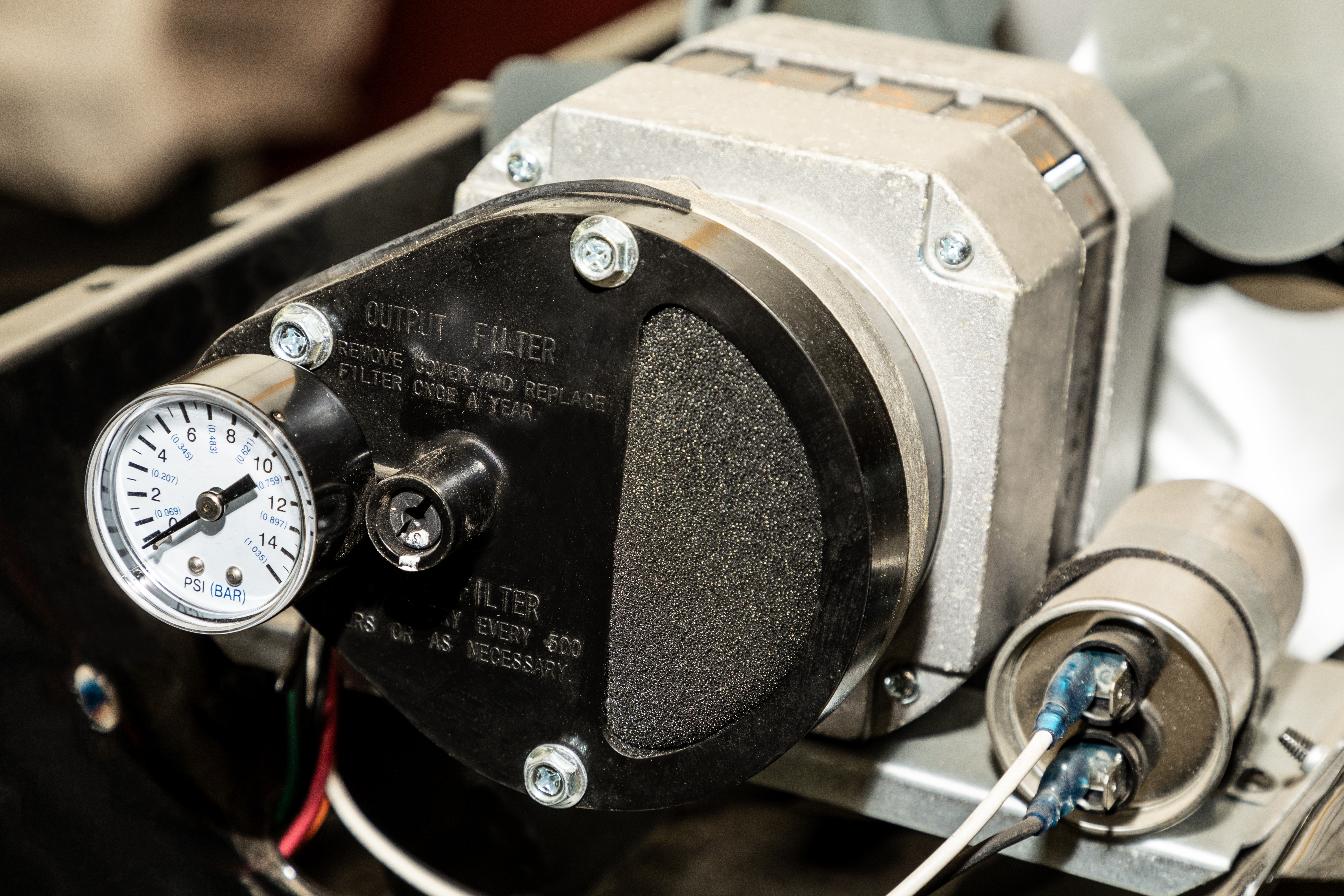
Electrical issues often stop the heater from working. Look for loose wires or damaged connections. Reset the heater’s power switch or circuit breaker. Test the power cord and plug for damage. Safe electrical parts ensure proper ignition.
Credit: www.mitm.com
When To Call A Professional
Knowing when to call a professional is key if your torpedo heater won’t ignite. Some problems need expert skills to fix safely and correctly. Trying to repair complex issues without proper knowledge can cause more damage or even risk your safety.
Experts have the right tools and experience to diagnose and repair your heater quickly. They ensure the heater works well and stays safe to use. Here are some signs that show it’s time to get professional help.
Persistent Ignition Issues
If your torpedo heater tries to ignite but fails repeatedly, it signals a deeper problem. Simple fixes may not solve the issue. A professional can find hidden faults that stop the ignition. Continued attempts to start it can waste fuel and cause damage. Don’t ignore repeated ignition failures.
Complex Electrical Repairs
Electrical parts control the ignition system and safety features. Faulty wiring or damaged components need expert repair. Handling electrical repairs without skills risks shocks or fire. Professionals check circuits, switches, and connections thoroughly. They fix electrical faults and test the heater for safe operation.
Fuel System Problems
Fuel flow issues often cause ignition failures. Clogged filters, leaks, or faulty pumps require careful inspection. Fuel system repairs need knowledge of gas or diesel systems. Professionals clean or replace parts to restore proper fuel supply. They ensure no leaks or dangers remain after repair.
Maintenance Tips To Prevent Ignition Problems
Preventing ignition problems in your torpedo heater starts with good maintenance. Small care steps keep your heater reliable and safe. Regular upkeep stops most common issues before they grow.
Follow these maintenance tips to keep your heater lighting smoothly every time.
Regular Cleaning Schedule
Clean your heater often to remove dust and dirt. Dirt blocks air flow and clogs parts. Use a soft brush or cloth on the exterior. Clear vents and air filters carefully. Clean inside components as the manual says. A clean heater ignites faster and works better.
Fuel Quality And Storage
Use fresh fuel for the best performance. Old fuel can cause ignition failure or poor flame. Store fuel in a cool, dry place. Keep fuel containers sealed tightly. Avoid fuel contamination with water or debris. Good fuel means a strong, steady flame every time.
Periodic Electrical Checks
Check electrical connections regularly for loose wires or damage. Faulty wiring can stop the ignition system. Inspect the spark plug for wear and dirt. Replace old or broken parts quickly. Test the ignition switch and safety controls often. Proper electrical care ensures your heater lights without trouble.

Credit: www.youtube.com
Credit: www.youtube.com
Frequently Asked Questions
Why Won’t My Torpedo Heater Ignite At All?
Check fuel levels, power source, and safety switches for proper operation.
How Can A Clogged Fuel Line Stop Ignition?
Fuel blockages prevent fuel from reaching the burner, stopping ignition.
What Role Does The Igniter Play In Starting?
The igniter creates a spark needed to light the fuel.
Can A Dirty Air Filter Prevent Ignition?
Yes, a dirty filter restricts airflow, causing ignition failure.
How Does Low Fuel Quality Affect Ignition?
Poor fuel quality can cause incomplete combustion and ignition problems.
Why Is The Safety Switch Stopping My Heater From Igniting?
Safety switches prevent ignition if unsafe conditions like overheating occur.
Can A Faulty Thermostat Cause Ignition Failure?
Yes, a bad thermostat can misread temperature, stopping the heater from starting.
How Does Lack Of Maintenance Lead To Ignition Issues?
Dust and dirt buildup can block parts and stop ignition.
Does Improper Ventilation Affect The Heater’s Ability To Ignite?
Poor ventilation can cause sensors to shut off ignition for safety.
What Simple Steps Fix A Torpedo Heater That Won’t Ignite?
Clean filters, check fuel, test igniter, and ensure power supply.
Conclusion
Torpedo heaters need proper care to work well. Check the fuel and air supply first. Clean the ignition parts if the heater won’t start. Always follow safety steps before fixing the heater. Small problems can stop it from lighting. Regular checks help keep your heater ready.
Don’t ignore signs of trouble early on. A working heater keeps your space warm and safe. Stay calm and fix issues step by step. Your heater will run smoothly with simple care.