
Is your Suburban water heater refusing to stay lit? You’re not alone, and this problem can quickly turn your comfort into frustration.
Imagine stepping into a cold shower because your heater just won’t keep running. It’s annoying, inconvenient, and sometimes even confusing to fix. But don’t worry—understanding why your water heater won’t stay lit is the first step to solving the issue fast.
Keep reading, and you’ll discover simple reasons behind the problem and easy ways to get your hot water flowing again.
Common Causes Of Water Heater Not Staying Lit
A water heater that won’t stay lit can cause cold showers and frustration. Understanding why your Suburban water heater keeps going out helps fix the problem fast. Several common issues cause this problem. Some parts may fail or need cleaning. Gas supply can also cause the flame to go out. Knowing these causes helps you diagnose and solve the issue.
Pilot Light Issues
The pilot light is a small flame that lights the main burner. If the pilot light is weak or keeps going out, the heater won’t stay lit. Dirt or soot can block it. Sometimes the pilot light is not adjusted correctly. A faulty pilot light sensor can also shut the flame off. Checking the pilot light is the first step.
Thermocouple Problems
The thermocouple senses the pilot flame and controls the gas flow. If it fails, the gas shuts off for safety. A dirty or damaged thermocouple cannot detect heat properly. This causes the water heater to lose its flame. Replacing a bad thermocouple often solves the issue. It is a common cause of water heaters not staying lit.
Gas Supply Interruptions
Gas is the fuel for your water heater. If the gas supply is weak or cuts off, the flame goes out. Problems with the gas valve or gas line can cause this. Sometimes the gas pressure is too low. Make sure the gas is turned on and the line is clear. Gas supply issues need careful attention for safety.
Dirty Or Clogged Burner
The burner mixes gas and air to create the flame. Dirt and debris can clog the burner. This stops the burner from lighting properly. A clogged burner causes the flame to flicker or go out. Cleaning the burner regularly keeps the heater working well. It also improves fuel efficiency and safety.
Safety Precautions Before Repairs
Before starting any repairs on a Suburban water heater that won’t stay lit, safety must be your top priority. Working with gas appliances can be dangerous without the right precautions. Taking a few simple steps can protect you from harm and prevent accidents in your home.
Turning Off The Gas
Always turn off the gas supply before any repair work. Locate the gas valve near the heater and switch it off. This step stops gas flow and lowers the risk of leaks or explosions. Never attempt repairs if you smell gas or suspect a leak. Safety first.
Ventilation Importance
Good ventilation is crucial when working with gas heaters. Open windows and doors to allow fresh air inside. This helps to disperse any gas that might escape during repairs. Avoid working in small, closed spaces to reduce the chance of dangerous gas buildup.
Using Proper Tools
Use the right tools for your water heater repairs. Tools designed for gas appliances reduce the risk of damage and injury. Keep tools clean and in good condition. Using improper tools can cause mistakes and make repairs unsafe.
Quick Fixes For Pilot Light Problems
Pilot light problems cause your water heater to shut off. Fixing these issues is often quick and simple. Small tasks like cleaning or relighting can restore your heater’s function fast. Try these easy steps to keep your pilot light burning strong.
Relighting The Pilot Light
Turn off the gas valve. Wait five minutes for gas to clear. Find the pilot light knob and press it. Use a long lighter or match to light the pilot. Keep the knob pressed for 30 seconds. Release the knob slowly. Check if the pilot stays lit. Repeat if needed, but do not press too long.
Cleaning The Pilot Tube
Turn off the gas and power to the heater. Locate the pilot tube near the burner. Use a thin wire or needle to clear blockages. Remove dust or debris gently from the tube. Avoid damaging the tube or burner parts. Reassemble and test the pilot light again. Clean tubes help gas flow evenly and keep the flame steady.
Adjusting The Pilot Flame
Look for the pilot flame adjustment screw. Use a small screwdriver to turn it. Increase the flame if it is weak or flickering. Decrease the flame if it is too large or noisy. Aim for a blue flame with a small yellow tip. A steady flame ensures the heater runs smoothly and safely.

Credit: www.youtube.com
Thermocouple Troubleshooting And Replacement
The thermocouple is a key part of your Suburban water heater. It controls the gas flow to keep the pilot light on. If the heater won’t stay lit, the thermocouple might be the cause. Troubleshooting and replacing this part can fix the problem quickly.
Start with checking the thermocouple connection. A loose or dirty connection stops the heater from working well. Then, test the thermocouple to see if it still works. This check helps avoid buying a new part unnecessarily.
If testing shows a fault, replacing the thermocouple is simple. A new thermocouple restores the heater’s function and safety. Follow the right steps to remove the old part and install the new one carefully.
Checking Thermocouple Connection
Turn off the water heater and gas supply. Locate the thermocouple near the pilot light. Look for dirt, soot, or corrosion on the metal parts. Clean gently with fine sandpaper or a soft cloth.
Check if the thermocouple is tightly connected to the gas valve. Use a wrench to tighten the connection if loose. Avoid over-tightening to prevent damage.
Testing Thermocouple Functionality
Use a multimeter set to millivolts for testing. Disconnect the thermocouple from the gas valve. Connect the multimeter leads to the thermocouple terminals. Heat the tip of the thermocouple with a lighter or candle flame.
A good thermocouple usually produces 25 to 30 millivolts. If the reading is below 20 millivolts, the thermocouple may be faulty. No reading means the thermocouple needs replacement.
Replacing A Faulty Thermocouple
Turn off the gas and power to the water heater. Remove the old thermocouple by loosening the connection at the gas valve. Slide the thermocouple out from its bracket near the pilot light.
Install the new thermocouple in the same position. Tighten the connection to the gas valve securely. Turn the gas and power back on. Light the pilot and watch if the heater stays lit.
Ensuring Consistent Gas Supply
Ensuring a steady gas supply is key to keeping your Suburban water heater lit. Without consistent gas flow, the heater can shut off unexpectedly. This section helps you check and maintain gas supply for smooth operation.
Inspecting Gas Valves
Start by examining the gas valves. Make sure they are fully open and not stuck. A partially closed valve limits gas flow and causes the flame to go out. Look for any signs of damage or wear on the valve. Replace or repair if needed to keep gas flowing properly.
Checking Gas Pressure
Gas pressure must be within the correct range for the water heater to work well. Low pressure means the flame cannot stay lit. Use a pressure gauge to test the gas line pressure. Compare the reading to the heater’s specifications. Adjust the regulator or call a professional if the pressure is too low or too high.
Contacting Gas Provider If Needed
Sometimes the problem is outside your home. Gas supply from the provider may be interrupted or unstable. Contact your gas company to report issues or ask about service interruptions. They can check the main supply and fix any problems affecting your heater.
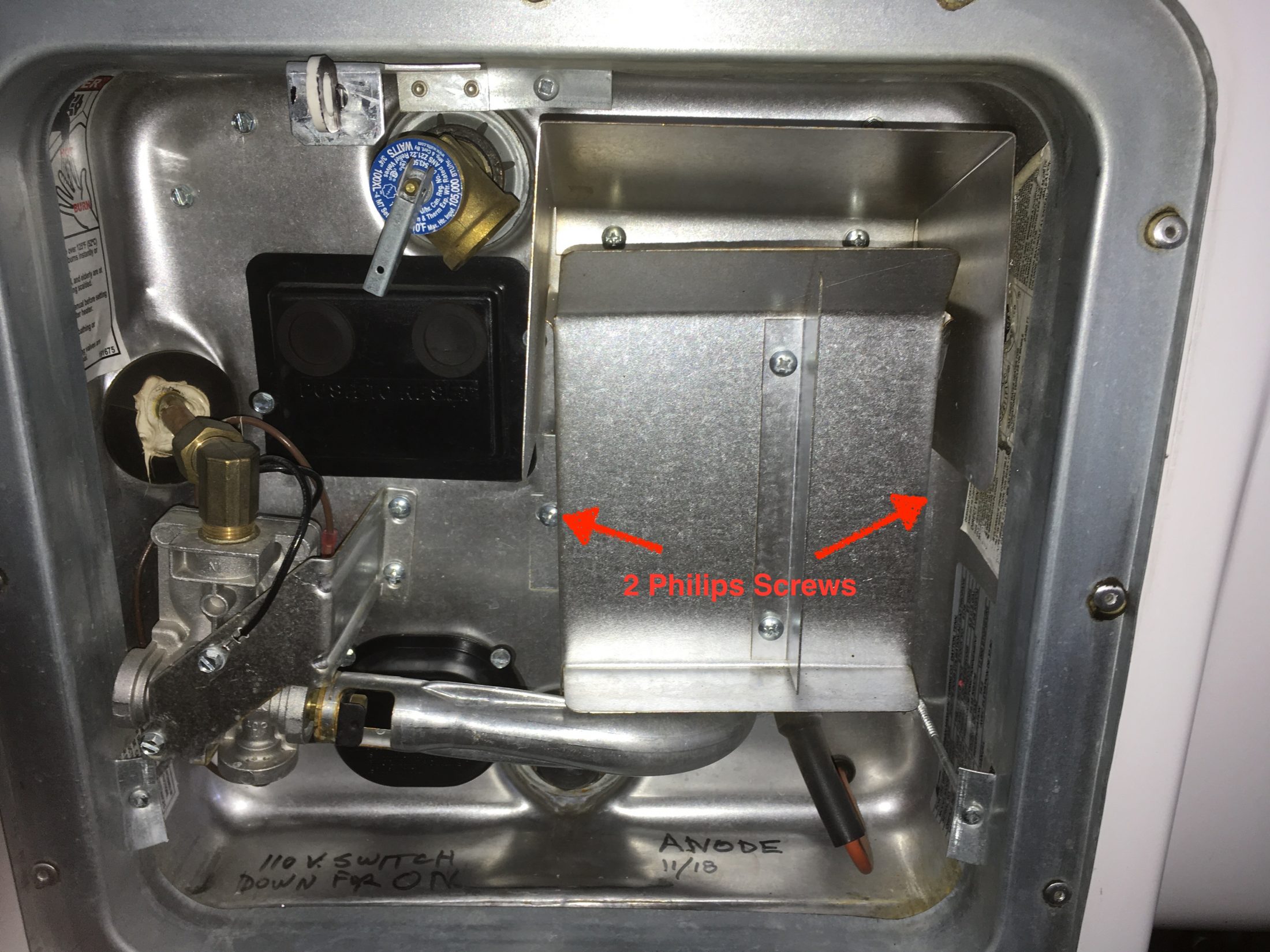
Credit: olivertraveltrailers.com
Maintaining The Burner For Optimal Performance
Maintaining the burner is key to keeping your Suburban water heater working well. A clean and well-kept burner helps the heater stay lit and run safely. Small problems with the burner can stop the flame from staying on. Simple care steps can stop big issues and keep your water heater reliable.
Cleaning Burner Components
Dust and dirt often cover burner parts. This build-up can block gas flow and stop ignition. Use a soft brush to clean burner surfaces gently. Avoid using water or harsh chemicals. Clean the burner holes to keep flames steady. Make sure all parts are dry before reassembling.
Inspecting For Damage
Check burner parts for cracks or wear. Damaged parts can cause gas leaks or poor flame. Look closely at the igniter and burner holes. Replace parts that look broken or worn out. Regular checks help catch problems early and prevent bigger damage.
Regular Maintenance Tips
Schedule cleaning and inspections every few months. Turn off the water heater before any work. Use a flashlight to see inside the burner area. Keep the surrounding area clean and free of debris. Follow the manufacturer’s instructions for safe maintenance. Proper care extends your heater’s life and keeps it safe.
When To Call A Professional
Knowing when to call a professional for your Suburban water heater is important. Some problems look simple but hide bigger issues. Calling an expert early can save time and money. It also keeps you safe.
Signs Of Complex Issues
Your water heater won’t stay lit despite several attempts. Strange noises come from the heater. You smell gas or see leaks near the unit. The pilot light flickers or goes out often. These signs point to serious problems. Complex repairs need special tools and skills.
Avoiding Diy Risks
Working on a water heater can be dangerous. Gas leaks can cause fires or explosions. Incorrect repairs can damage the heater more. You might also void the warranty. Professionals follow safety rules and use proper equipment. Avoid risks by letting experts handle repairs.
Finding A Reliable Technician
Choose a technician with good reviews and experience. Check if they are licensed and insured. Ask about their knowledge of Suburban water heaters. A reliable technician offers clear estimates and warranties. Quality service ensures your heater runs safely and well.

Credit: entre-couette-et-bulles.com
Frequently Asked Questions
Why Won’t My Suburban Water Heater Stay Lit?
A dirty or faulty thermocouple often causes the flame to go out quickly.
How Does A Faulty Thermocouple Affect The Heater?
It stops the gas flow, causing the flame to extinguish for safety.
Can A Clogged Pilot Tube Cause The Flame To Go Out?
Yes, debris blocks gas flow, making it hard for the pilot light to stay lit.
What Role Does Gas Pressure Play In The Heater’s Flame?
Low gas pressure weakens the flame, making it unstable and likely to go out.
Could A Dirty Burner Be The Problem?
Dirt or soot on the burner reduces flame strength and can cause it to die out.
How Does A Faulty Gas Valve Impact The Water Heater?
A bad gas valve may cut off gas supply, causing the flame to go out.
Does Wind Or Air Drafts Affect The Pilot Light?
Strong drafts can blow out the pilot light, especially in outdoor or vented areas.
Can Water Heater Vents Cause The Flame To Go Out?
Blocked or damaged vents disrupt airflow, causing the flame to go out for safety.
How Often Should I Clean The Pilot Assembly?
Cleaning once a year helps keep the pilot light burning steady and reliable.
When Should I Call A Professional For This Issue?
If simple cleaning doesn’t help, call a technician to check gas and electrical parts.
Conclusion
A water heater that won’t stay lit causes cold showers and frustration. Check the pilot light, thermostat, and gas supply first. Small issues like dirt or loose wires often cause the problem. Fixing these can save money and time. When unsure, call a professional for safety and proper repair.
Keeping your water heater working means warm water every day. Don’t ignore the signs; act quickly to avoid bigger problems. Simple care keeps your home comfortable and safe.