Have you ever experienced the sudden blaring of your smoke alarm the moment you turn on your heater? It can be startling and confusing, leaving you wondering if there’s a real fire or just a false alarm.
If this has happened to you, you’re not alone—and it’s more common than you might think. Understanding why your smoke alarm goes off when your heater starts can save you from unnecessary panic and help keep your home safe. Keep reading to discover the surprising reasons behind this problem and what you can do to fix it.
Credit: www.firstalertstore.com
Why Alarms React To Heaters
Smoke alarms often react when heaters turn on. This reaction can confuse many homeowners. Understanding why alarms go off with heaters helps keep your home safe. It also prevents false alarms that cause stress and annoyance.
Heat And Smoke Sensors Explained
Smoke alarms have two main sensors: heat and smoke detectors. Heat sensors detect sudden temperature rises. Smoke sensors detect tiny particles in the air. Some alarms use both sensors to ensure safety. When a heater starts, it can trigger these sensors.
Common Heater Emissions
Heaters emit small amounts of smoke or steam at startup. This happens especially with older or gas heaters. The particles in the air can look like smoke to an alarm. Even a small puff can cause the alarm to sound. This is a common reason for false alarms.
Dust And Debris Effects
Heaters can blow dust and debris into the air. Dust particles can reach the smoke sensor and trigger it. Dust buildup inside the alarm also makes it more sensitive. Regular cleaning of heaters and alarms reduces false alarms. Keeping both clean helps alarms work properly.
Identifying The Root Cause
When a smoke alarm sounds as the heater turns on, it causes concern. Finding the true cause helps prevent false alarms. It also keeps your home safe and your heater working well.
Start by checking the heater and smoke alarm carefully. Small details can cause big problems. Look for signs that show why the alarm reacts to the heater.
Checking Heater Placement
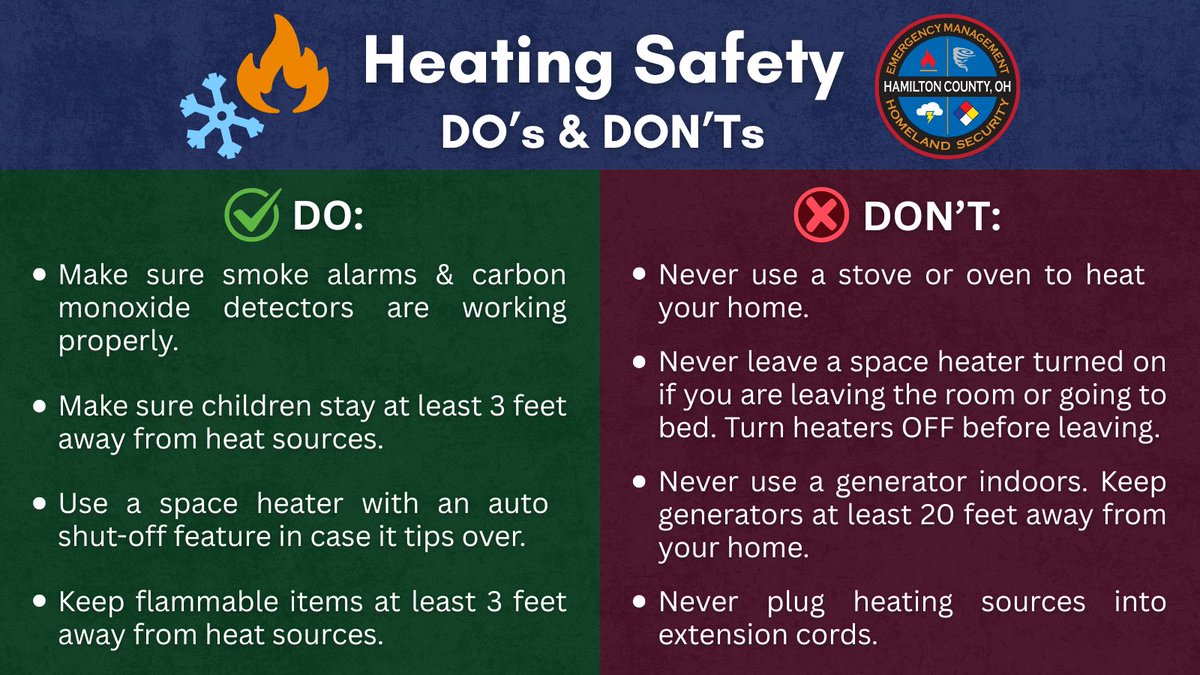
Heaters placed too close to smoke alarms can trigger false alerts. Warm air or dust from the heater may reach the alarm sensor. Move the heater away from the smoke detector. Keep at least three feet of space between them. This prevents heat or particles from setting off the alarm.
Inspecting The Smoke Alarm
Smoke alarms can get dirty or old, causing false alarms. Dust inside the alarm confuses the sensor. Clean the alarm with a soft brush or vacuum. Replace batteries regularly. If the alarm is over ten years old, consider a new one. A faulty alarm may react wrongly to harmless smoke or heat.
Testing Heater For Faults
A heater with electrical or mechanical issues can produce smoke or smells. This can trigger the smoke alarm. Check the heater for signs of damage. Look for burning smells or unusual noises. Turn off the heater and call a professional if you find problems. Regular maintenance keeps the heater safe and reduces false alarms.
Simple Fixes To Stop False Alarms
False alarms from smoke detectors can cause stress and confusion. They often happen when a heater turns on. Small changes can stop these alarms from going off. This section covers easy fixes you can try yourself. These steps help keep your home safe and quiet.
Cleaning The Smoke Alarm
Dust and dirt can trigger false alarms. Use a soft brush or vacuum cleaner to remove dust. Clean the alarm gently to avoid damage. Regular cleaning keeps the sensor clear and working well. Try to clean the alarm every few months.
Relocating The Alarm Or Heater
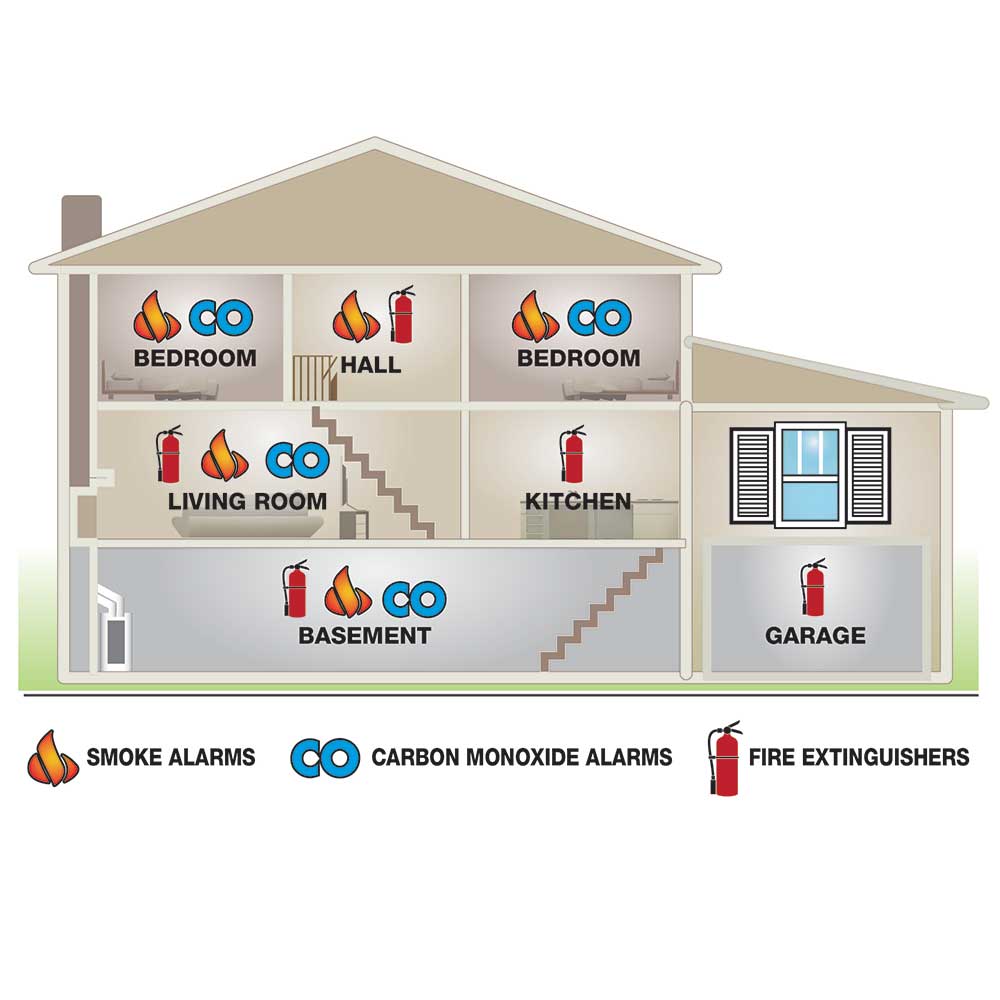
Placing the alarm too close to the heater causes false alarms. Move the smoke alarm to a spot further from the heater. Or, move the heater to a different location. Keep some distance between heat sources and alarms. This helps reduce false triggers.
Adjusting Heater Settings
High heat or quick temperature changes can set off alarms. Lower the heater’s temperature setting to avoid this. Use a steady heat level instead of rapid changes. Check the heater manual for safe temperature ranges. This simple step can stop many false alarms.
Credit: x.com
When To Call A Professional
Smoke alarms going off when the heater turns on can signal a serious problem. Knowing when to call a professional helps keep your home safe. Some issues need expert attention to avoid risks and damage. Understanding these signs protects your family and property.
Persistent Alarm Issues
Smoke alarms that keep sounding after testing or cleaning show a deeper problem. It may be a wiring fault or sensor malfunction. A professional can diagnose and fix these issues quickly. This stops false alarms and ensures your system works properly.
Electrical Concerns
Heaters and smoke alarms share electrical circuits. Faulty wiring or short circuits can trigger alarms. A trained electrician checks connections and repairs faults safely. Ignoring electrical problems risks fire or equipment failure. Timely help prevents hazards.
Safety Inspections
Regular safety checks identify hidden risks in heating and alarm systems. Professionals inspect smoke alarms, heaters, and wiring thoroughly. They ensure all devices meet safety standards. Scheduling inspections gives peace of mind and keeps your home secure.
Preventive Measures For Future
Smoke alarms going off when heaters start can be a real hassle. Taking steps to stop this from happening again helps keep your home safe and peaceful. Preventive measures reduce false alarms and ensure your smoke alarm works only when needed. Follow these tips to avoid future problems.
Regular Maintenance Tips
Clean your smoke alarm every month. Dust and dirt can trigger false alarms. Test the alarm regularly to ensure it works well. Replace batteries at least once a year. Check your heater for dust buildup. Clean vents and filters often to prevent smoke or dust from reaching the alarm.
Choosing The Right Smoke Alarm
Select smoke alarms that suit your home’s needs. Ionization alarms react to flaming fires but may false alarm near heaters. Photoelectric alarms detect smoldering fires better and cause fewer false alarms. Consider alarms with a hush feature to silence false alarms without disabling safety. Install alarms away from heaters or kitchens to reduce false triggers.
Proper Heater Usage
Keep heaters clean and well-maintained. Avoid placing heaters too close to smoke alarms. Use heaters in well-ventilated rooms to reduce smoke and fumes. Turn off heaters when not in use. Avoid burning anything near the heater that might produce smoke. Follow the manufacturer’s instructions for safe heater operation.

Credit: www.mysuncoast.com
Frequently Asked Questions
Why Does My Smoke Alarm Beep When Heater Starts?
Heaters can release small dust or fumes that trigger the smoke alarm sensors.
Can Heater Dust Cause False Smoke Alarm Alerts?
Yes, dust inside or near the heater can cause the alarm to go off.
How To Stop Smoke Alarm From Sounding When Heater Turns On?
Clean the heater and smoke alarm regularly to prevent dust buildup triggering alarms.
Is Smoke Alarm Sensitive To Heater Fumes?
Some smoke alarms detect tiny particles from heater fumes, causing false alarms.
Should I Move The Smoke Alarm Away From The Heater?
Placing alarms too close to heaters can cause false alarms; keep proper distance.
Can Heater Malfunction Cause Smoke Alarms To Activate?
A malfunctioning heater might emit smoke or fumes, setting off the alarm.
What Type Of Smoke Alarm Works Best Near Heaters?
Photoelectric alarms are less sensitive to small particles from heaters than ionization alarms.
How Often Should I Clean My Heater And Smoke Alarm?
Clean both at least once every three months to reduce false alarm chances.
Does Heater Type Affect Smoke Alarm Sensitivity?
Gas heaters may emit more particles than electric ones, affecting alarm sensitivity.
When Should I Replace My Smoke Alarm Near A Heater?
Replace alarms every 10 years or if they frequently give false alarms near heaters.
Conclusion
Smoke alarms going off when heaters start can cause worry. Dust or fumes from the heater often trigger the alarm. Regular cleaning of both heater and alarm helps reduce false alerts. Check your smoke alarm’s placement too; it should not be too close to the heater.
Always keep safety in mind and test alarms regularly. Small steps can prevent loud, unexpected noise and keep your home safe. Stay alert, stay safe.