
If you’re thinking about upgrading to a tankless water heater in Richmond, understanding the local code is crucial. Richmond Tankless Water Heater Code 13 holds the key to making sure your installation is safe, efficient, and fully compliant.
Ignoring these rules could lead to costly fixes or even safety hazards. You’ll discover exactly what Code 13 means for your home, how to follow it step-by-step, and why it matters more than you might think. Keep reading to protect your investment and enjoy endless hot water without worry.
Richmond Tankless Water Heater Code 13 Basics
The Richmond Tankless Water Heater Code 13 Basics cover important rules for safe installation and operation. These rules help ensure that tankless water heaters work correctly and safely in homes and businesses. Understanding these basics is key for anyone involved in plumbing or construction in Richmond.
Code 13 sets clear guidelines. It helps prevent problems like leaks, fires, or poor performance. Knowing the scope, key terms, and where the code applies can save time and money.
Scope And Purpose
Code 13 focuses on tankless water heaters in Richmond. It sets safety and performance standards. The code aims to protect property and people from hazards. It also ensures that installations meet city regulations. Proper use of tankless heaters extends their lifespan.
Key Definitions
The code defines essential terms. “Tankless water heater” means a device that heats water on demand. “Installation” refers to placing and connecting the heater safely. Other terms include “venting,” “gas supply,” and “electrical connection.” Clear definitions help avoid confusion during inspections and work.
Applicability
Code 13 applies to new installations and replacements. It covers residential and commercial buildings in Richmond. The code also applies to repairs that affect safety or performance. Meeting these rules is mandatory to pass city inspections. Following the code helps avoid fines and delays.
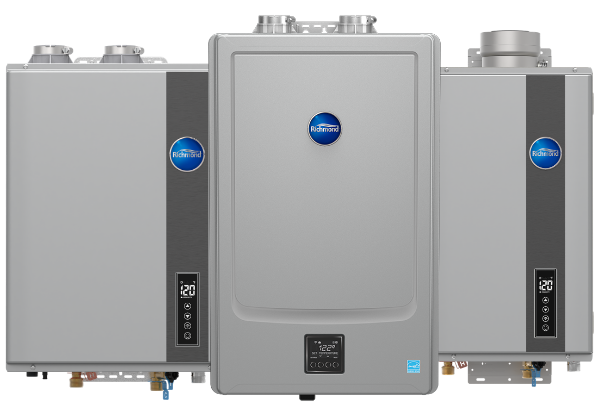
Credit: www.richmondwaterheaters.com
Installation Requirements
Installing a tankless water heater in Richmond requires following specific rules. These rules ensure safety and proper function. Meeting the installation requirements helps avoid future problems. Below are key areas to focus on during installation.
Location And Clearance
Choose a dry and accessible spot for the heater. Keep the unit away from flammable materials. Allow enough space around the heater for maintenance. Clearances must follow Richmond Tankless Water Heater Code 13. This space prevents fire hazards and allows easy repairs.
Venting Specifications
Proper venting is crucial for safe operation. Use approved vent pipes that resist heat and corrosion. The vent must lead outside to avoid gas buildup. Follow the exact pipe size and length rules. Proper venting stops dangerous fumes from entering the home.
Electrical Connections
Connect the heater to the correct power supply. Use the proper wire size and circuit breaker. Electrical work should meet Richmond safety standards. Poor wiring can cause shocks or fire. Always check connections are tight and secure before powering on.
Safety Standards
The Richmond Tankless Water Heater Code 13 sets clear safety standards. These rules protect your home and family. They make sure the water heater works well and safely. Understanding these standards helps you keep your water heater safe and efficient.
Temperature Controls
The code requires precise temperature controls. These controls stop water from getting too hot. Too hot water can cause burns. The system keeps water at a safe and steady temperature. This feature protects everyone using hot water.
Pressure Relief Measures
Pressure relief valves are important safety parts. They release extra pressure inside the water heater. This prevents dangerous bursts or damage. The code demands strong and reliable pressure relief systems. These measures keep the heater and pipes safe.
Combustion Air Supply
Proper air supply is needed for gas heaters to burn fuel safely. The code ensures enough fresh air enters the heater area. This prevents harmful gases from building up inside. Good combustion air supply keeps your home safe from risks.
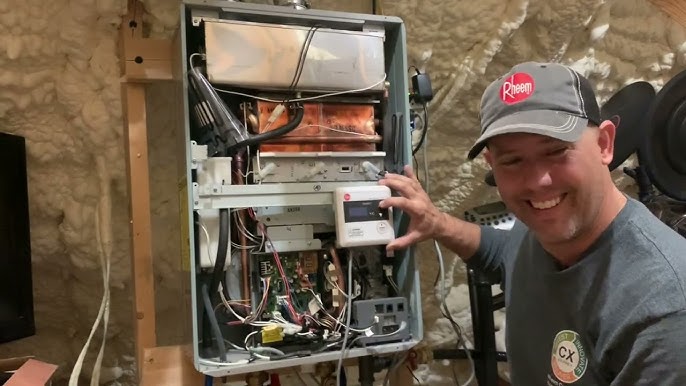
Credit: www.youtube.com
Inspection And Testing
Inspection and testing are key steps in installing a Richmond tankless water heater. These steps ensure the unit works safely and efficiently. Following the Richmond Tankless Water Heater Code 13 helps avoid future problems and meets local rules.
Proper inspection and testing protect your home and your investment. Each stage has specific tasks to check and confirm the system’s readiness.
Pre-installation Checks
Start by verifying the installation site matches the code requirements. Check water pressure and gas supply lines for correct levels. Make sure the electrical connections are safe and meet standards. Inspect the venting system for proper design and clearance. Confirm the unit size suits your household needs. These checks prevent common installation errors and delays.
Post-installation Testing
After installation, run tests to confirm everything works well. Turn on the water heater and monitor temperature and flow rates. Check for gas leaks using approved detection methods. Test the safety controls, such as pressure relief valves. Observe the venting system during operation to ensure no blockages. This testing phase ensures the unit operates safely and efficiently.
Documentation And Reporting
Record all inspection and testing results clearly. Use standard forms or digital reports as required by Richmond Code 13. Include details about the installer, date, and test outcomes. Keep copies for your records and future reference. Proper documentation helps with warranties and local code compliance. It also provides proof during home inspections or resale.
Common Compliance Challenges
Compliance with Richmond Tankless Water Heater Code 13 can be tricky. Many homeowners and contractors face common challenges that cause delays or extra costs. Understanding these issues helps avoid trouble and keeps installations smooth.
Knowing the usual problems and how to fix them saves time and money. Staying within the rules prevents fines and rework. The following sections highlight frequent mistakes and share simple tips for compliance.
Frequent Violations
Incorrect venting is a top violation. Improper pipe size or placement can cause safety risks.
Failing to install the proper pressure relief valve happens often. This valve prevents system damage.
Missing permits or incomplete inspections also create compliance issues. Authorities require proper paperwork.
Troubleshooting Tips
Check vent pipes for correct diameter and slope. Clear any blockages or obstructions.
Verify the pressure relief valve matches the water heater model. Replace if needed.
Keep all permits on hand before starting installation. Schedule inspections early to avoid delays.
Avoiding Penalties
Follow the code rules carefully during installation. Double-check work before calling for inspection.
Use licensed professionals familiar with Richmond Code 13. Their experience helps prevent errors.
Document all steps and maintain communication with local authorities. Transparency reduces penalty risks.

Credit: jonsimon.net
Updates And Amendments
Richmond Tankless Water Heater Code 13 has seen important updates. These changes affect installations and safety rules. Staying current helps avoid problems and ensures compliance with local laws. The amendments focus on energy efficiency, safety, and installation practices.
Code updates impact homeowners, builders, and inspectors. Knowing recent changes and future trends helps plan projects better. It also improves system performance and reduces risks. Understanding these updates is essential for anyone working with tankless water heaters in Richmond.
Recent Changes
The latest amendments to Code 13 emphasize energy conservation. New rules limit the allowed energy use for tankless water heaters. This change supports Richmond’s goals for reducing energy waste. Installation rules now require better venting systems to prevent gas leaks. Inspectors have stricter guidelines to check for safety compliance. These updates also include clearer instructions on water pressure limits. They ensure that heaters function properly without damage or risk.
Future Code Trends
Experts expect more focus on green technology in future codes. Smart water heaters with digital controls may become mandatory. These devices help monitor energy use and reduce waste. There could be tighter rules on emissions from gas-powered heaters. Codes might require more training for installers and inspectors. The trend points toward safer, cleaner, and more efficient heating solutions. Richmond’s water heater codes will likely keep evolving to match new technology and environment goals.
Resources For Contractors And Homeowners
Richmond Tankless Water Heater Code 13 sets clear rules for safe installation and use. Both contractors and homeowners need reliable resources to follow these rules correctly. Access to the right information helps avoid mistakes and ensures safety.
This section lists important resources. These help understand Code 13 better and apply it properly during installation or maintenance.
Local Authority Contacts
Local building departments enforce Richmond’s water heater codes. Contact them for permits and inspections. They answer questions about Code 13 details. Knowing your local authority speeds up approval and avoids delays.
Reference Materials
Official code books and manuals explain the rules clearly. Richmond’s Code 13 is available in printed and online formats. These materials include diagrams and examples. Contractors and homeowners benefit from reviewing these guides before starting work.
Professional Training Options
Training programs teach correct installation and safety practices. Workshops and online courses cover Richmond Tankless Water Heater Code 13. Certified training helps contractors stay updated with code changes. Homeowners can learn basic maintenance tips too.
Frequently Asked Questions
What Is Richmond Tankless Water Heater Code 13?
Richmond Code 13 is a safety and installation standard for tankless water heaters.
Why Does Richmond Enforce Tankless Water Heater Code 13?
To ensure safe installation and efficient operation of tankless water heaters.
How Does Code 13 Affect Water Heater Installation?
It sets rules for placement, venting, and electrical connections.
What Safety Features Are Required By Code 13?
Includes temperature controls, pressure relief valves, and proper venting systems.
Can I Install Richmond Tankless Water Heater Myself?
Professional installation is recommended to meet Code 13 requirements.
Does Code 13 Apply To All Richmond Tankless Heaters?
Yes, it applies to all models sold in Richmond.
How Often Should Richmond Tankless Heaters Be Inspected?
Annual inspections are advised to maintain compliance with Code 13.
What Happens If Code 13 Is Not Followed?
Non-compliance can lead to fines or unsafe water heater operation.
Does Code 13 Affect Energy Efficiency Of Heaters?
Yes, proper installation helps the heater run more efficiently.
Where Can I Find The Full Richmond Tankless Water Heater Code 13?
The full code is available on Richmond’s official website or local government sites.
Conclusion
Richmond Tankless Water Heater Code 13 ensures safety and efficiency. Homeowners must follow these rules carefully. Proper installation avoids costly fines or repairs later. Always check local codes before buying or installing. This keeps your home safe and comfortable. Understanding Code 13 makes choosing a heater easier.
Stay informed to protect your investment and family. Simple steps lead to long-term benefits and peace of mind.