
If your Mr Heater won’t stay lit, the problem might be with the thermocouple. You might have heard about a thermocouple bypass as a quick fix, but is it really safe?
Before you jump into it, you need to understand what a thermocouple does and how bypassing it could affect your heater’s performance and safety. This guide will walk you through everything you need to know about the Mr Heater thermocouple bypass, helping you make the right choice for your heater and your peace of mind.
Keep reading to avoid costly mistakes and keep your space warm and safe.

Credit: ashishmehtaastro.com
What Is A Thermocouple?
A thermocouple is a small device that helps control gas heaters. It senses heat and tells the heater if the flame is on or off. This safety part stops gas from leaking when the flame goes out. Thermocouples are common in many gas appliances, including Mr Heater units.
Role In Mr Heater Units
The thermocouple in Mr Heater units acts as a safety sensor. It checks if the pilot light is burning. If the flame goes out, the thermocouple signals the gas valve to close. This stops gas from flowing and prevents danger. Without it, gas could leak and cause accidents.
Common Issues
Thermocouples can fail over time due to dirt or wear. A faulty thermocouple might stop the heater from lighting. Sometimes the heater shuts off unexpectedly. Cleaning or replacing the thermocouple often fixes these problems. Regular checks keep your heater safe and working well.
Why Bypass The Thermocouple?
The thermocouple is a safety device in your Mr Heater. It detects if the pilot light is on. If the thermocouple fails, the heater may not work properly. This can cause frustration and cold rooms. Bypassing the thermocouple can keep your heater running temporarily. It stops the heater from shutting off due to a faulty sensor. This is not a permanent fix but a useful quick solution.
Bypassing the thermocouple should be done carefully. It can pose safety risks if not handled right. Knowing when and why to bypass helps protect you and your home.
Signs Of A Faulty Thermocouple
The heater won’t stay lit. The pilot light goes out repeatedly. The heater takes too long to start. You smell gas even when the heater is off. The heater turns off after a few minutes. These are common signs the thermocouple is bad. Check for these problems before deciding to bypass. A faulty thermocouple often causes these issues.
When Bypass Is Recommended
Bypass is useful for quick testing or temporary use. Use it if the heater must run and repairs take time. It helps in emergencies when warmth is needed fast. Only bypass if you understand the risks. Do not use bypass as a long-term fix. Always plan to replace the thermocouple soon. Safety should be your top priority during bypass.
Safety Considerations
Safety is very important when dealing with a Mr Heater thermocouple bypass. This part controls the flow of gas and stops leaks. Bypassing it can cause serious problems. Knowing the risks and taking the right precautions can keep you safe.
Risks Of Bypassing
Bypassing the thermocouple stops the safety check on the gas flow. This can lead to gas leaks if the flame goes out. Gas leaks cause fire hazards and health risks. The heater may also overheat, causing damage or fire. It could void your warranty or break local laws. These risks make bypassing very dangerous.
Precautions To Take
Only consider bypassing if you fully understand the heater’s system. Always turn off the gas supply before starting work. Use proper tools and follow the manufacturer’s instructions closely. Test the heater carefully for gas leaks after bypassing. Install carbon monoxide detectors nearby for extra safety. If unsure, ask a professional for help. Safety must be your top priority.
Tools And Materials Needed
Before starting the Mr Heater thermocouple bypass, gather all necessary tools and materials. This ensures a smooth and safe process. Having everything ready saves time and avoids frustration. Each item plays a key role in completing the task correctly.
Tools Needed
- Adjustable wrench
- Flathead screwdriver
- Needle-nose pliers
- Multimeter (optional, for testing)
- Wire stripper
Materials Needed
- Thermocouple bypass wire
- Electrical tape
- Replacement thermocouple (optional)
- Cleaning cloth
Use the adjustable wrench to loosen fittings carefully. The flathead screwdriver helps remove panels or screws. Needle-nose pliers assist in gripping small parts. A multimeter can check electrical connections. Wire strippers prepare wires for connections.
The bypass wire connects the thermocouple to the heater safely. Electrical tape secures wire joints and prevents shorts. A replacement thermocouple is handy if the old one is faulty. Clean the area with a cloth before starting for better contact.
Step-by-step Bypass Process
The Mr Heater thermocouple bypass process helps keep your heater running safely. Follow these simple steps to bypass the thermocouple correctly. This guide breaks down each step clearly. It ensures you understand the process and avoid mistakes.
Locate The Thermocouple
First, find the thermocouple on your heater. It is a small metal rod near the pilot light. The thermocouple senses the flame and signals the gas valve. Check near the burner assembly or pilot area to spot it easily.
Disconnect The Thermocouple
Next, turn off the gas supply. Unscrew the nut connecting the thermocouple to the gas valve. Carefully remove the thermocouple from its place. Keep all parts safe for future use or reinstallation.
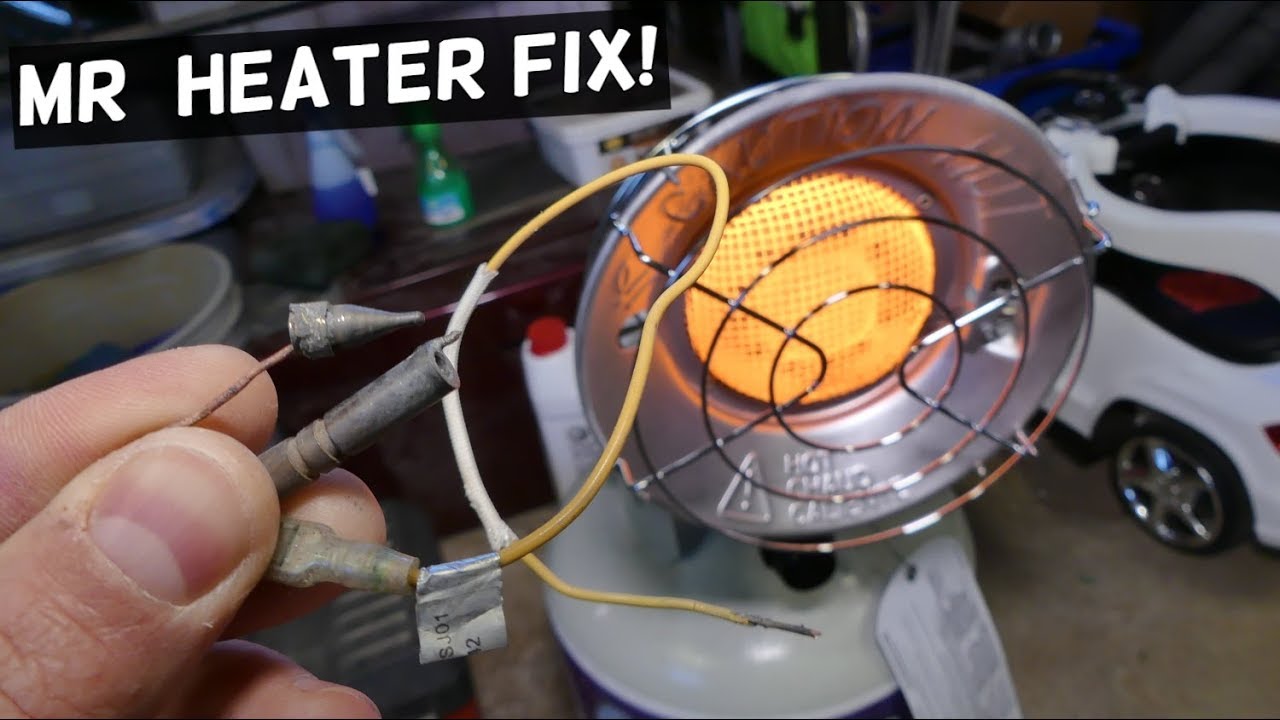
Connect The Bypass Wire
Take the bypass wire and attach it to the gas valve. Connect it where the thermocouple was previously attached. Tighten the connection securely. This wire will allow gas flow without the thermocouple.
Test The Heater
Turn on the gas supply again. Light the pilot light and watch the heater. Make sure the heater stays on without shutting off. If it works well, the bypass is successful and safe to use.
Credit: www.youtube.com
Troubleshooting After Bypass
Troubleshooting your Mr Heater after bypassing the thermocouple can be tricky. Some common issues may appear even after the bypass. This guide helps you check and fix those problems fast. Safety is important, so always be careful when working with gas heaters.
Heater Won’t Ignite
The heater may fail to light after the bypass. Check the gas supply first. Make sure the valve is open and gas flows freely. Inspect the pilot light for dirt or blockage. Clean the pilot assembly with a soft brush if needed. Confirm the ignition button or switch works properly. Sometimes the wiring can be loose or damaged. Tighten or replace any faulty connections. If the problem remains, the bypass might not be correctly installed. Recheck the thermocouple bypass for proper placement.
Flame Goes Out Quickly
A flame that dies soon after lighting is common after bypass. This often means the safety mechanism is not sensing the flame. The bypass may cause the heater to shut off quickly to prevent danger. Inspect the pilot flame size and shape. It should be steady and blue. A weak or yellow flame signals poor combustion or gas issues. Clean the burner and pilot for blockages. Also, check the thermostat setting. Too low a setting may cause the flame to go out. If the flame still dies quickly, the bypass might be faulty. Replace or adjust the thermocouple bypass carefully.
When To Replace The Thermocouple
The thermocouple is a small but important part of your Mr Heater. It controls the gas flow to keep your heater safe. Knowing when to replace it helps keep your heater working well and safe to use.
Signs of a bad thermocouple show up over time. Catching these early can prevent bigger problems. The heater might stop working or not light up properly. You will notice these signs easily.
Heater Fails To Stay Lit
One common sign is the heater turning off suddenly. The thermocouple senses the flame. If it does not detect heat, it shuts off the gas. This is a safety feature. If your heater keeps going out, the thermocouple might be faulty.
Visible Damage Or Corrosion
Look at the thermocouple closely. Rust or corrosion means it is damaged. Heat and moisture cause this over time. A damaged thermocouple cannot work properly. Replace it to avoid heater problems.
Age Of The Thermocouple
Thermocouples wear out after many years. Most last 3 to 5 years. If your heater is old and the thermocouple was never changed, it might be time. Old parts work less well and can fail.
Irregular Heating Or Gas Smell
Heating that feels weak or uneven can mean a problem. A gas smell near the heater is dangerous. The thermocouple might not be stopping gas flow. Replace it right away for safety.

Credit: www.ebay.com
Alternatives To Bypass
Bypassing the thermocouple in a Mr Heater device may seem like a quick fix. It lets the heater run without the safety check the thermocouple provides. This can be unsafe and may cause damage or hazards. There are safer and more reliable options to consider instead of bypassing.
These alternatives ensure your heater works correctly and safely. They also help extend the heater’s life. Two common alternatives include repairing the thermocouple and seeking professional servicing. Both methods keep your heater safe and efficient.
Thermocouple Repair
Fixing the thermocouple is a smart choice. It restores the safety feature that stops gas flow if the pilot light goes out. Repair may involve cleaning, adjusting, or replacing the thermocouple. This process is often simple and affordable.
A repaired thermocouple helps your heater work smoothly. It avoids risks of gas leaks or fire hazards. Replacing a faulty thermocouple is better than bypassing it. This keeps your heater running safely and reliably.
Professional Servicing
Calling a professional ensures proper care for your heater. Experts check all parts, including the thermocouple. They find hidden issues that may cause future problems. Professionals can fix or replace parts safely.
Regular servicing improves heater performance and safety. It prevents breakdowns and costly repairs later. A professional service is a wise investment for your heater. It keeps your home warm and secure.
Frequently Asked Questions
What Is A Mr Heater Thermocouple Bypass?
A thermocouple bypass allows the heater to run without the thermocouple sensor.
Why Do People Use A Thermocouple Bypass?
It helps when the thermocouple is faulty and stops the heater from working.
Is It Safe To Use A Thermocouple Bypass?
Using a bypass can be risky as it disables a safety feature.
How Do I Know If My Thermocouple Is Bad?
Look for heater shutting off quickly or no ignition at all.
Can I Bypass The Thermocouple Myself?
Yes, but only if you understand the risks and follow instructions carefully.
Will Bypassing The Thermocouple Void My Warranty?
Yes, bypassing often voids the heater’s warranty and may cause damage.
How Do I Bypass A Mr Heater Thermocouple?
You connect the wires to bypass the sensor, but detailed steps vary.
What Tools Do I Need For A Thermocouple Bypass?
Basic tools like screwdrivers and wire strippers are usually needed.
Does Bypassing Affect Heater Performance?
It may allow the heater to run but removes important safety checks.
Should I Replace Or Bypass A Faulty Thermocouple?
Replacing is safer and recommended over bypassing for long-term use.
Conclusion
Bypassing the Mr Heater thermocouple can help fix ignition issues. Always follow safety steps carefully to avoid risks. Use the right tools and check connections well. This guide aims to make the process clear and simple. Keep your heater working smoothly and stay warm.
Regular maintenance can prevent future problems. Take your time and stay safe during the bypass. Enjoy a reliable heat source without hassle.