
Is your Miele dishwasher not draining properly? It’s frustrating when your dishwasher leaves water sitting at the bottom, making your dishes dirty and your kitchen messy.
You rely on your dishwasher to save time and effort, but a drainage problem can bring everything to a halt. Don’t worry—you’re not alone, and there are simple steps you can take to fix this issue quickly. Keep reading to discover why your Miele dishwasher won’t drain and how you can solve the problem before it gets worse.
Credit: neighborhoodappliancerepairs.com
Common Drainage Problems
Many Miele dishwasher owners face drainage problems. These issues stop the dishwasher from emptying water properly. Understanding common drainage problems helps fix the issue quickly. It also prevents water damage and bad smells.
Clogged Filters
Filters catch food and dirt during washing. Over time, they fill with debris. A clogged filter blocks water flow. The dishwasher cannot drain fully. Cleaning the filter regularly keeps water moving well. It is a simple but important step.
Blocked Drain Hose
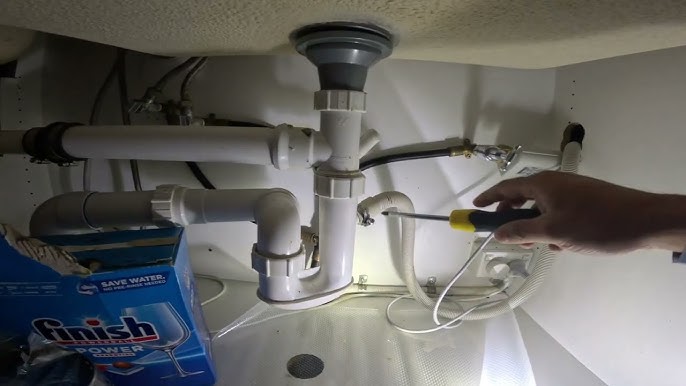
The drain hose carries dirty water out. Sometimes the hose bends or gets blocked. Food scraps or grease can clog the hose. This blockage stops water from draining. Check the hose for kinks and clean it carefully. A clear hose ensures smooth drainage.
Faulty Drain Pump
The drain pump pushes water out of the dishwasher. If the pump breaks or jams, water stays inside. A faulty pump may make strange noises. It needs repair or replacement by a technician. Without a working pump, the dishwasher cannot drain.
Credit: www.youtube.com
Checking The Filters
Checking the filters is a key step to fix a Miele dishwasher not draining. Filters catch food crumbs and debris. Over time, these bits can block water flow. Cleaning filters helps your dishwasher drain well and work better.
Dirty or damaged filters cause water to stay in the bottom. Cleaning them is easy and saves you from costly repairs. Regular checks keep the dishwasher running smoothly.
Removing And Cleaning Filters
First, open the dishwasher door fully. Take out the bottom rack to access the filter area. Twist the filter counterclockwise to unlock it. Pull the filter straight up and out.
Rinse the filter under warm running water. Use a soft brush to remove stuck food particles. Avoid harsh scrubbing to prevent damage. Dry the filter before putting it back.
Place the filter back in the slot. Turn it clockwise until it locks in place. Ensure it fits snugly to avoid leaks or drainage issues.
Signs Of Filter Damage
Look for cracks, holes, or worn-out areas on the filter. Damaged filters let debris pass, causing blockages in pipes. A broken filter may cause strange noises during washing.
If you see damage, replace the filter right away. Using a damaged filter harms the dishwasher’s performance. Always use original Miele filters for best results.
Inspecting The Drain Hose
Checking the drain hose is a key step when your Miele dishwasher does not drain. This hose carries water away from the dishwasher. If it is blocked, bent, or not placed correctly, water cannot flow out. This causes standing water inside the dishwasher after a cycle finishes. Follow these tips to inspect the drain hose properly.
Locating The Hose
The drain hose is usually at the back of the dishwasher. It connects the dishwasher to the sink drain or garbage disposal. You may need to pull out the dishwasher carefully to see the hose. Check behind or under the dishwasher to find it. Knowing where the hose is helps you check it for problems.
Clearing Hose Blockages
Blockages in the hose stop water from draining. Food particles, grease, or small debris can cause clogs. Detach the hose and look inside. Use a long brush or run water through it to clean out any blockages. Make sure the hose is clear before reattaching it. A clean hose allows water to flow smoothly.
Ensuring Proper Hose Position
The hose must be positioned correctly for good drainage. Avoid sharp bends or kinks in the hose. These can block water flow. The hose should loop upward before it connects to the drain. This prevents dirty water from flowing back into the dishwasher. Check the hose position and fix any twists or low spots.

Credit: www.reddit.com
Evaluating The Drain Pump
Evaluating the drain pump is key when a Miele dishwasher is not draining. The pump moves water out of the dishwasher during the drain cycle. If the pump fails, water stays inside and dishes remain wet. Testing the pump helps find if it works or needs replacement. This process saves time and avoids unnecessary repairs.
Testing Pump Operation
Start by unplugging the dishwasher for safety. Locate the drain pump at the bottom of the machine. Remove any debris blocking the pump or filter. Check the pump’s impeller for damage. Use a multimeter to test the pump’s electrical continuity. No reading means the pump may be faulty. Run a drain cycle to listen for pump noise. A silent pump suggests it is not working properly.
Replacing A Defective Pump
Turn off power and water supply before replacing the pump. Remove the dishwasher’s lower panel to access the pump. Disconnect the wires and hoses attached to the pump carefully. Unscrew and remove the old pump from its place. Install the new pump by reversing the removal steps. Make sure all connections are tight and secure. Restore power and run a test cycle to check drainage. Proper pump replacement restores dishwasher performance quickly.
Electrical And Control Issues
Electrical and control issues can cause a Miele dishwasher not to drain properly. These problems affect how the machine receives and processes signals. Faulty wiring, a broken control board, or software glitches may stop the draining cycle. Identifying these issues helps fix the dishwasher quickly.
Resetting The Dishwasher
Resetting the dishwasher can clear minor electrical faults. Turn off the dishwasher and unplug it from the power source. Wait for about five minutes to let the machine reset. Plug it back in and turn it on. This simple step can restore normal function and fix draining problems.
Checking For Error Codes
Miele dishwashers display error codes to show specific issues. Check the dishwasher’s control panel for any blinking lights or codes. Refer to the user manual to understand the meaning of each code. These codes often point directly to electrical or control faults. Knowing the code helps decide the next repair step.
Preventive Maintenance Tips
Preventive maintenance helps keep your Miele dishwasher running smoothly. It stops problems before they start. Small efforts save time and money on repairs. A clean and well-cared-for dishwasher works better and lasts longer.
Follow these simple tips to avoid drainage issues and keep your dishwasher in top shape.
Regular Cleaning Routine
Clean the filter after every few washes. Food particles can block water flow. Wipe the door seal to stop buildup. Check the spray arms for clogs. Remove any debris stuck in holes. Run a dishwasher cleaner once a month. This removes grease and limescale inside. Clean the drain area gently to avoid damage.
Avoiding Common Mistakes
Do not overload the dishwasher. Crowding blocks water from reaching dishes. Avoid placing large items in front of spray arms. Use the right detergent in correct amounts. Too much soap causes residue and clogs. Skip rinsing dishes too much before loading. Some food bits help the cleaning process. Always check the drain hose for kinks or bends. These stop water from draining properly.
When To Call A Professional
Knowing when to call a professional for your Miele dishwasher not draining saves time and prevents damage. Some problems need expert tools and skills. Trying to fix complex issues alone may cause more harm.
Understanding when to seek help ensures your dishwasher gets the right care. It helps protect your appliance and your home from water damage. Here are key signs that show you need a professional.
Complex Repairs
Drainage problems often involve parts inside your dishwasher. Issues with the pump, motor, or drain hose may require special tools. Diagnosing electrical faults or blockages inside the machine is tricky.
Professionals have the right tools and knowledge to fix these safely. They can also test parts and replace them if needed. Complex repairs often need experience to avoid costly mistakes.
Warranty Considerations
Your Miele dishwasher may still be under warranty. Trying to repair it yourself can void this coverage. Unauthorized repairs might cause you to lose free service or part replacements.
Calling a professional authorized by Miele keeps your warranty valid. They follow the company’s rules and use genuine parts. This ensures your dishwasher stays protected and works well.
Frequently Asked Questions
Why Is My Miele Dishwasher Not Draining Water?
A clogged filter or drain hose often blocks water from draining properly.
How Can I Fix A Clogged Drain In Miele Dishwasher?
Clean the filter and check the drain hose for blockages or kinks.
Can A Faulty Pump Cause Drainage Issues In Miele Dishwasher?
Yes, a broken pump can stop water from draining out of the dishwasher.
How Often Should I Clean My Miele Dishwasher Filter?
Clean the filter every month to prevent blockages and improve draining.
When Should I Call A Technician For Miele Dishwasher Drainage?
Call a technician if cleaning doesn’t fix the drainage or you hear strange noises.
Conclusion
A Miele dishwasher not draining can cause big problems. Check the filter and drain hose for clogs first. Make sure the pump works well. Sometimes, a quick clean solves the issue. If the problem stays, call a professional for help.
Regular care keeps your dishwasher running smoothly. Don’t ignore small signs of trouble. Fixing the drain issue early saves time and money. Keep your dishes clean and dry with simple steps. Your dishwasher deserves good care for long life.