
Is your GE dishwasher leaving your dishes wet and frustrating you every time? You’re not alone, and this issue can be more common than you think.
When your dishwasher isn’t drying properly, it means extra time and effort for you to hand-dry or rewash your dishes. But don’t worry—understanding why your GE dishwasher isn’t drying can save you stress and help you fix the problem quickly.
Keep reading, and you’ll discover simple solutions that get your dishwasher working like new again.
Common Causes Of Poor Drying
Poor drying in a GE dishwasher can be frustrating. It leaves your dishes wet and sometimes dirty. Several common issues cause poor drying. Identifying these problems helps fix the issue quickly. Here are the main reasons your dishwasher may not dry properly.
Clogged Drain Or Filter
A clogged drain or filter blocks water flow. This stops the dishwasher from draining fully. Standing water causes dishes to stay wet. Cleaning the filter and drain regularly prevents this issue.
Malfunctioning Heating Element
The heating element warms the dishwasher during drying. If it breaks or fails, drying won’t happen correctly. No heat means dishes remain damp. Testing and replacing the heating element often solves the problem.
Faulty Thermostat
The thermostat controls the dishwasher’s temperature. A faulty thermostat may not trigger the heat. This causes poor drying or no drying at all. Replacing a bad thermostat restores proper drying cycles.
Improper Rinse Aid Usage
Rinse aid helps water slide off dishes. Using too little or no rinse aid causes spots and wetness. Filling the rinse aid dispenser regularly improves drying results significantly.
Overloading The Dishwasher
Overloading blocks air and water flow inside the dishwasher. Dishes stay wet because they don’t get enough heat or air. Load the dishwasher with enough space between items for better drying.

Credit: m.youtube.com
Simple Checks Before Repair
Before calling a repair technician for your GE dishwasher not drying, try some simple checks. These easy steps can save time and money. They help identify common issues that stop your dishwasher from drying properly.
Start with these quick checks to find the problem. You might fix it yourself without special tools or skills.
Inspecting The Heating Element
The heating element warms the dishwasher to dry dishes. Check it for visible damage or breaks. A broken element means no heat, so no drying. Use a multimeter to test for electrical continuity. If it shows no continuity, the element needs replacement.
Checking The Rinse Aid Level
Rinse aid helps water drain and evaporate faster. Open the rinse aid dispenser and check the level. Add rinse aid if it is low or empty. This simple step improves drying and prevents water spots on dishes.
Ensuring Proper Loading
Loading dishes correctly allows air to circulate. Avoid overcrowding or blocking vents inside the dishwasher. Place plastic items on the top rack to dry better. Proper loading helps the drying cycle work as it should.
Verifying The Drying Cycle Selection
Some GE dishwashers have different drying options. Check the control panel and make sure you selected a drying cycle. If drying is off or set to air-dry only, dishes will stay wet. Choose the heated drying option for best results.
Quick Fixes You Can Try
Dealing with a GE dishwasher that is not drying properly can be frustrating. Simple problems often cause this issue. Trying quick fixes can save time and avoid calling a repair service. These easy steps help restore your dishwasher’s drying power fast.
Cleaning The Filter And Drain
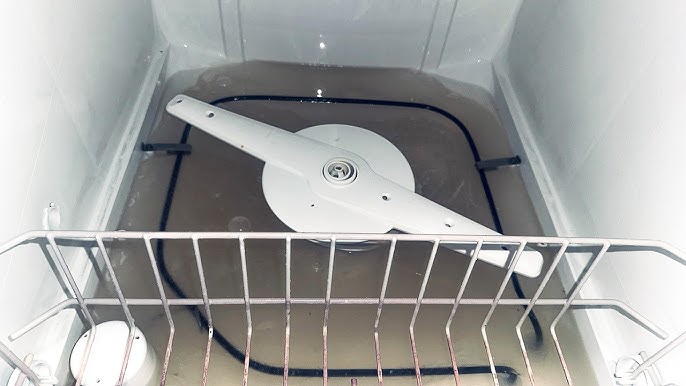
Food particles often block the filter and drain. A clogged filter stops water from draining well. Remove the bottom rack and find the filter. Take it out and rinse under running water. Clear any debris from the drain area too. This helps water flow freely and improves drying.
Refilling Or Adjusting Rinse Aid
Rinse aid helps water slide off dishes quickly. Low rinse aid can cause wet dishes. Check the rinse aid dispenser and refill if empty. Adjust the setting to a higher level if drying is poor. This small step can make a big difference.
Running A Hot Water Cycle
Hot water improves drying by evaporating moisture faster. Run the dishwasher on the hottest cycle available. Make sure your water heater is set to at least 120°F. This helps dishes dry better and reduces spots.
Resetting The Dishwasher
Sometimes, the dishwasher needs a reset to fix drying issues. Turn off the dishwasher and unplug it. Wait for about five minutes. Plug it back in and turn it on. This resets the system and can clear minor glitches.
Credit: www.youtube.com
When To Call A Professional
Knowing when to call a professional for a GE dishwasher not drying issue saves time and effort. Some problems need expert tools and skills. Trying to fix complex parts alone can cause more damage or safety risks.
Here are key signs that a professional’s help is necessary. Understanding these will guide you to the right decision quickly.
Persistent Heating Element Issues
The heating element warms the dishwasher to dry dishes. If it breaks or wears out, drying fails. Simple resets or cleanings may not fix it. Persistent problems with the heating element need a technician to test and replace it safely.
Electrical Or Wiring Problems
Dishwashers rely on wiring for power and control. Loose connections or damaged wires can stop drying. These issues can cause shorts or shocks. A professional can diagnose electrical faults and repair wiring properly. Do not try to fix electrical parts alone.
Complex Thermostat Replacement
The thermostat controls temperature during drying. A faulty thermostat may cause cold cycles. Replacing it involves opening the dishwasher and handling sensitive parts. Professionals have the right tools and knowledge to replace thermostats without causing leaks or errors.
Preventing Future Drying Problems
Preventing drying problems in your GE dishwasher starts with simple habits. Small changes help keep your dishes dry and your machine working well. Follow easy steps to avoid common issues.
Regular Maintenance Tips
Clean the dishwasher filter often. A blocked filter stops water from draining. Wipe down the spray arms to remove food bits. Check the heating element for dirt or damage. Run a cleaning cycle monthly with dishwasher cleaner. This keeps parts free from buildup and working right.
Choosing The Right Detergents
Use detergents made for dishwashers only. Avoid too much detergent; it can cause residue. Choose detergents with rinse aid included for better drying. Liquid rinse aids help water slide off dishes faster. Powder detergents without rinse aid may leave dishes wet.
Avoiding Dishwasher Overload
Do not pack dishes tightly. Overloading blocks water and air flow. Place large items on the sides, not the middle. Leave space between dishes for steam to circulate. A well-arranged load dries better and cleans well.

Credit: www.youtube.com
Frequently Asked Questions
Why Is My Ge Dishwasher Not Drying Dishes Properly?
A common cause is a faulty heating element or blocked vents that stop moisture from escaping.
How Can I Fix A Ge Dishwasher That Leaves Wet Dishes?
Check and clean the filter, spray arms, and heating element for blockages or damage.
Does Using Rinse Aid Help With Ge Dishwasher Drying Issues?
Yes, rinse aid reduces water spots and helps dishes dry faster by improving water runoff.
Can A Broken Thermostat Cause Drying Problems In Ge Dishwashers?
Yes, a bad thermostat can prevent the dishwasher from heating and drying dishes effectively.
Is It Normal For Ge Dishwashers To Leave Some Moisture On Plastic Items?
Yes, plastic dries slower because it holds water more than glass or metal surfaces.
Conclusion
A GE dishwasher not drying can cause daily frustration. Small fixes like cleaning filters or checking the heating element often help. Regular care keeps your dishwasher working well. Avoid leaving wet dishes inside for long. Simple steps can restore drying performance quickly.
Stay patient and try each solution carefully. Dry dishes make kitchen tasks easier and faster. Keep your dishwasher in good shape for best results.