Is your gas fireplace flame looking weak and low? You expect a warm, cozy fire to brighten your room, but instead, you’re left with a flicker that barely warms the space.
This can be frustrating and even a little worrying. Don’t ignore it—your fireplace might be trying to tell you something. You’ll discover simple reasons why your gas fireplace flame is too low and easy fixes you can try right now.
Keep reading to bring back that perfect, glowing flame and enjoy the comfort you deserve.

Credit: www.reddit.com
Common Causes Of Low Flame
A gas fireplace flame that burns too low can reduce heat output and cause frustration. Several common problems cause this issue. Understanding these helps fix the flame quickly and safely.
Regular maintenance keeps the fireplace working well. Dirt, pressure issues, or faulty parts often reduce flame height. Check these areas to find the cause.
Blocked Burner Ports
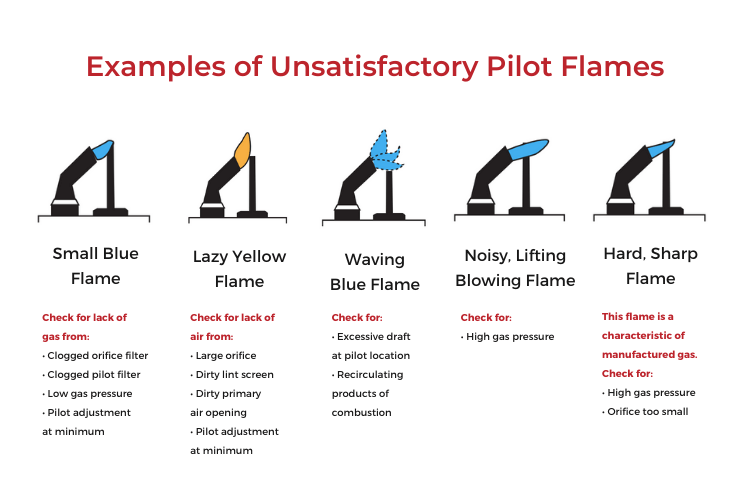
Burner ports are small holes where gas escapes to make flames. Dust, dirt, or spider webs can block these holes. Blocked ports cause weak, uneven flames. Cleaning the ports restores proper gas flow and flame size.
Low Gas Pressure
Gas pressure powers the flame. Low pressure means less gas reaches the burner. This results in a small, flickering flame. A professional can check the gas line and adjust pressure safely.
Dirty Pilot Light
The pilot light lights the main burner. Dirt buildup can make the pilot weak or flicker. A weak pilot light leads to a low main flame. Cleaning or replacing the pilot light fixes this problem.
Faulty Thermocouple
The thermocouple controls gas flow by sensing heat. If it fails, gas supply may reduce or stop. This causes the flame to go low or out. Replacing the thermocouple usually solves the issue.
Simple Steps To Increase Flame Height
Low flames in a gas fireplace can make your room feel cold and gloomy. Fixing this problem often takes just a few simple steps. These quick checks and adjustments help bring your fireplace back to life. Try these easy actions to increase the flame height and enjoy a warm, cozy fire again.
Cleaning Burner And Pilot
Dust and dirt can block the burner and pilot. This blockage lowers the flame size. Turn off the gas and let the fireplace cool down first. Use a soft brush or compressed air to clean the burner holes and pilot light area. Clear any debris carefully. Clean parts let gas flow better and flames grow taller.
Adjusting Gas Valve
The gas valve controls how much gas reaches the burner. A low setting means smaller flames. Locate the gas valve near the fireplace. Slowly turn the valve to increase gas flow. Do not open it too much. Watch the flame size change as you adjust. Stop once flames reach a good height.
Checking Thermocouple Connection
The thermocouple senses heat and controls gas supply. A loose or dirty connection can reduce flame size. Find the thermocouple near the pilot light. Inspect the connection for dirt or looseness. Tighten the connection gently if needed. Clean the thermocouple tip with fine sandpaper. A good connection helps the flame stay strong and steady.
When To Call A Professional
Knowing when to call a professional is important for your safety and your gas fireplace’s health. Some problems are easy to fix, but others need expert help. Trying to fix serious issues alone can be dangerous. Professionals have the right tools and skills to handle tricky problems safely.
Persistent Low Flame Issues
If your gas fireplace flame stays low despite cleaning and adjustments, it may need professional attention. A constant low flame might mean a deeper problem with the gas supply or burner. Experts can check and fix these issues thoroughly to keep your fireplace working well.
Gas Leak Concerns
Smelling gas or noticing a hissing sound near your fireplace is a serious sign. Gas leaks can cause fires or health risks. Do not try to find or fix leaks yourself. Call a professional right away to inspect and repair any leaks safely.
Complex Repairs
Some fireplace problems need special tools and knowledge. Issues with the pilot light, gas valve, or internal parts often require expert repair. Professionals can handle complex fixes without damaging your fireplace. This saves time and prevents further problems.
Credit: www.acucraft.com
Maintaining Optimal Fireplace Performance
Maintaining your gas fireplace ensures it runs safely and efficiently. A well-kept fireplace delivers warm, bright flames. Low flames often signal a need for care. Simple steps can keep the flame strong and steady. Regular attention helps avoid costly repairs and safety risks.
Regular Cleaning Schedule
Clean your fireplace at least once a month during use. Dust and dirt can block gas flow. Wipe down glass and remove soot buildup. Check burner ports for clogs. Use a soft brush or vacuum for cleaning. Clean parts allow the flame to burn brighter.
Annual Safety Inspections
Hire a professional to inspect your fireplace yearly. They check for leaks, cracks, and gas pressure. Safety checks prevent dangerous gas buildup. Inspect the pilot light and ignition system. A yearly review keeps your fireplace working well and safe.
Proper Ventilation Tips
Ensure your fireplace vents are clear and open. Blocked vents reduce airflow and cause low flames. Keep nearby vents and air intakes free of dust. Avoid closing room doors while the fireplace runs. Good ventilation helps the flame burn fully and cleanly.

Credit: www.reddit.com
Frequently Asked Questions
Why Is My Gas Fireplace Flame Too Low?
A low flame often means low gas pressure or blocked burner ports.
Can Dirty Burners Cause Low Gas Fireplace Flames?
Yes, dirt and dust can block burners, lowering the flame size.
How Do I Adjust The Flame Height Safely?
Use the control knob or valve, but follow the manual for safety.
Does Low Flame Affect Heating Efficiency?
Yes, a low flame reduces heat output and wastes gas.
Could A Faulty Thermocouple Cause A Low Flame?
Yes, a bad thermocouple can limit gas flow, lowering the flame.
Is Low Gas Pressure A Common Cause For Low Flame?
Yes, low gas pressure often results in a weak or small flame.
Can Pilot Light Issues Cause A Low Flame?
Yes, a weak pilot light can cause the main flame to be low.
Should I Clean My Gas Fireplace Regularly?
Yes, regular cleaning prevents blockages that cause low flames.
When To Call A Professional For A Low Flame?
Call a pro if cleaning and adjustments don’t fix the low flame.
Can Vent Problems Reduce My Gas Fireplace Flame?
Yes, blocked vents can affect air flow and reduce flame size.
Conclusion
A low gas fireplace flame can affect warmth and comfort. Check for blockages or dirty parts first. Adjust the flame height carefully for safety. Regular cleaning helps keep the flame bright. Call a professional if problems continue or seem risky.
A properly working fireplace creates a cozy space. Small fixes often solve the issue quickly. Keep your home warm and safe with simple care.