Is your Comfort Zone heater fan not working when you need it the most? It’s frustrating when your heater won’t blow warm air, leaving you cold and uncomfortable.
You rely on your heater to keep your space cozy, so when it stops working, it can feel like a big problem. But don’t worry—you’re not alone, and there are simple steps you can take to fix it. Keep reading to discover easy solutions that will help you get your heater fan running again quickly.
Your comfort is just a few fixes away.
Common Causes Of Heater Fan Issues
Heater fan problems are common in Comfort Zone units. These issues stop warm air from moving into your room. Knowing what causes these problems helps you fix them fast. Many problems come from simple parts that fail or get dirty over time. Identifying the cause is the first step to restoring warmth and comfort.
Power Supply Problems
Without power, the fan cannot run. Check if the heater is plugged in properly. Look for blown fuses or tripped circuit breakers. Faulty power cords or outlets can also stop the fan. Power supply issues are often easy to spot and fix.
Faulty Fan Motor
The fan motor moves air through the heater. Over time, it can wear out or break. A motor that hums but does not spin might be faulty. Motor failure needs repair or replacement. Regular use and age cause motor problems.
Clogged Air Vents
Dust and debris block air vents. This stops airflow and causes the fan to struggle. Cleaning vents regularly keeps air moving freely. Clogged vents also increase strain on the fan motor. Clear vents improve heater efficiency and lifespan.
Thermostat Malfunctions
The thermostat controls when the fan turns on. A broken thermostat may not signal the fan to start. Incorrect temperature readings cause the fan to stop working. Testing and replacing the thermostat solves this issue. Proper thermostat function keeps your room warm.

Credit: www.youtube.com
Safety Precautions Before Repair
Repairing a Comfort Zone heater fan requires careful attention to safety. Working with electrical devices can be risky without proper steps. Taking safety precautions protects you from injury and damage. Follow these key safety tips before starting any repair work.
Unplugging The Heater
Always unplug the heater before touching any parts. This stops the flow of electricity. It prevents electric shock and accidental turning on. Check the plug and cord for damage before unplugging. Never work on the heater while it is plugged in.
Using Proper Tools
Use tools designed for electrical repairs. Insulated screwdrivers and pliers reduce the risk of shocks. Avoid using damaged or worn-out tools. Proper tools help you work safely and efficiently. Keep your work area clean and organized.
Avoiding Electrical Hazards
Do not touch metal parts inside the heater while repairing. Keep your hands dry and avoid standing on wet surfaces. Make sure the heater is cool before starting any work. If unsure, consult a professional to prevent accidents. Safety must come first to avoid serious harm.
Step-by-step Troubleshooting
Troubleshooting your Comfort Zone heater fan is simple with clear steps. Follow each step carefully to find the problem. This helps avoid unnecessary repairs or replacements. Start with the basics, then move to more detailed checks.
Checking The Power Source
First, confirm the heater is plugged in securely. Check the power outlet by plugging in another device. If the outlet works, check the heater’s power switch. Look for any blown fuses or tripped circuit breakers. Reset breakers or replace fuses if needed. Make sure the power cord is not damaged or loose.
Inspecting The Fan Motor
Turn off and unplug the heater before inspecting the motor. Remove the outer cover carefully to see the fan motor. Check for dust, debris, or visible damage on the motor. Try spinning the fan blades by hand gently. If they do not move freely, the motor might be stuck. Listen for unusual noises when the fan runs. A faulty motor may need professional repair or replacement.
Cleaning Air Vents And Filters
Clogged vents and filters reduce airflow and cause problems. Remove the air filter and clean it with a soft brush or vacuum. Wipe dust from the air vents with a dry cloth. Blocked vents cause the fan to stop or overheat. Regular cleaning keeps the heater working smoothly and safely.
Testing The Thermostat
The thermostat controls the heater’s temperature. Set the thermostat to a higher temperature than the room. If the fan does not turn on, the thermostat might be faulty. Use a multimeter to test thermostat continuity if possible. Replace the thermostat if it does not respond to temperature changes. This step ensures the heater operates correctly and maintains warmth.
Diy Fixes To Try At Home
When a Comfort Zone heater fan stops working, small fixes often solve the problem. These quick DIY tips can save time and money. You do not need special tools or skills.
Try simple steps first before calling a technician. Many issues come from basic problems that you can fix at home. Check these easy solutions to get your heater fan running again.
Resetting The Heater
Turn off the heater and unplug it from the power outlet. Wait for about five minutes. This pause allows the internal system to cool down and reset.
Plug the heater back in and switch it on. Resetting can clear minor faults and restore normal function. Many times, this step alone fixes the fan issue.
Lubricating The Fan Motor
Turn off and unplug the heater before starting. Remove the outer cover carefully to access the fan motor. Use a few drops of light machine oil on the motor shaft.
Lubrication reduces friction and noise. It helps the fan blades spin smoothly. After oiling, reassemble the heater and test the fan.
Replacing A Blown Fuse
Check the heater’s fuse if it won’t turn on. Locate the fuse holder, usually near the power cord. Remove the fuse and examine it for any breaks or discoloration.
Buy a replacement fuse with the same rating. Insert the new fuse carefully. A blown fuse often causes power failure to the fan motor.
Tightening Loose Connections
Unplug the heater before inspecting wires and connections. Look for loose or disconnected wires inside the heater. Use a screwdriver to tighten any loose screws or clamps.
Secure connections ensure proper power flow to the fan. Loose wiring can stop the fan from spinning or cause it to work intermittently.
When To Call A Professional
Knowing when to call a professional for your Comfort Zone heater fan saves time and stress. Some problems need expert attention for safety and proper repair. Trying to fix these issues alone can cause more damage or risk electric shock. Recognizing the signs helps you decide the right moment to seek help.
Persistent Fan Problems
If the fan keeps stopping or making strange noises, it might need a professional. Simple fixes may not work for ongoing issues. A technician can check for worn-out parts or motor trouble. This prevents the fan from breaking down completely in cold weather.
Electrical Component Failures
Electrical problems can be dangerous. Flickering lights, sparks, or burning smells mean the heater needs expert repair. Faulty wiring or a broken switch are not safe to fix on your own. Professionals have the tools and knowledge to handle these safely.
Warranty And Repair Services
Check your heater’s warranty before trying repairs. Many warranties require professional service to stay valid. Using authorized repair services keeps your warranty active and protects your investment. Professionals also use genuine parts for lasting repairs.
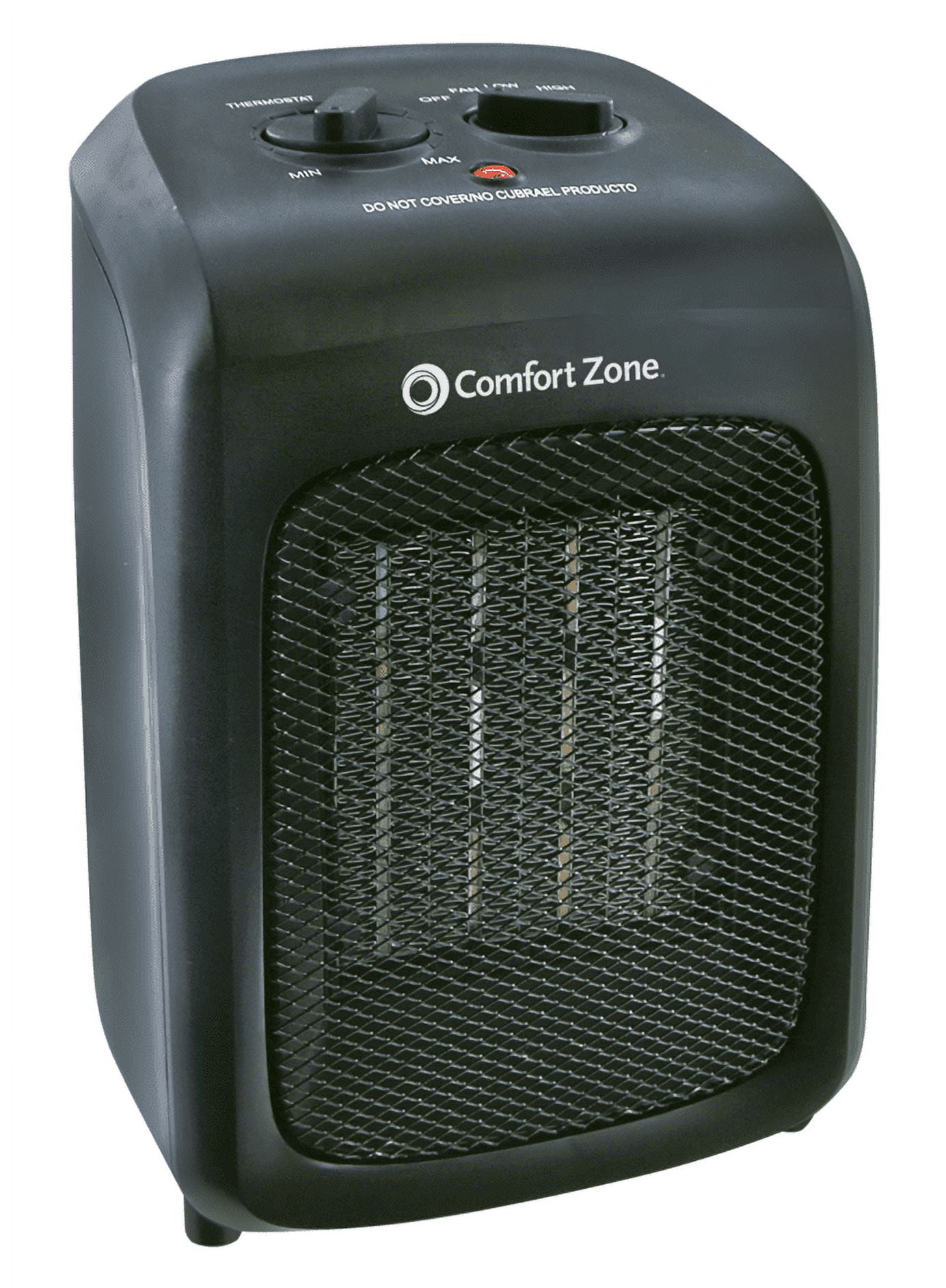
Credit: www.walmart.com
Maintenance Tips To Prevent Future Issues
Keeping your Comfort Zone heater fan in good shape takes simple care steps. Regular maintenance helps avoid common problems and keeps your heater running smoothly. Follow these tips to prevent future issues and extend the life of your heater fan.
Regular Cleaning
Dust and dirt can build up inside the heater fan. This buildup can block airflow and cause the fan to stop working. Clean the heater fan regularly by wiping its surface and vacuuming vents. Remove dust from the fan blades carefully. Clean filters or replace them if needed. Regular cleaning helps your heater work better and last longer.
Scheduled Inspections
Check your heater fan often for any signs of damage or wear. Look for loose parts, strange noises, or unusual smells. Testing the heater before each season can spot small problems early. Fixing issues early prevents bigger repairs. Set a schedule to inspect your heater fan every few months.
Proper Storage During Off-season
Store the heater fan in a dry, cool place when not in use. Cover it with a cloth or plastic to keep dust away. Avoid storing the heater in damp areas to prevent rust and damage. Proper storage protects the heater fan and keeps it ready for the next season.
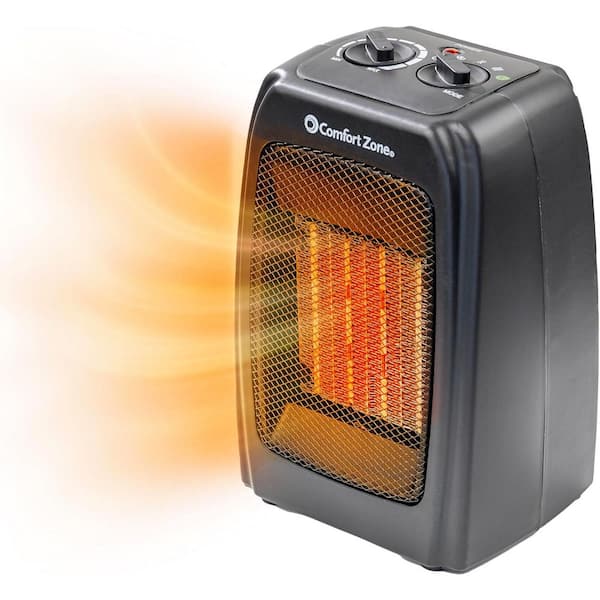
Credit: www.homedepot.com
Frequently Asked Questions
Why Is My Comfort Zone Heater Fan Not Turning On?
The fan might be blocked or the motor could be faulty. Check for dust or damage.
How Do I Reset My Comfort Zone Heater Fan?
Unplug the heater, wait a few minutes, then plug it back in to reset.
Can A Blown Fuse Cause The Fan To Stop Working?
Yes, a blown fuse can cut power to the fan motor.
What Should I Check If The Heater Fan Is Noisy?
Look for dirt in the fan blades or loose parts causing noise.
Why Does The Comfort Zone Heater Fan Run But No Heat?
The heating element may be damaged or the thermostat might be set too low.
How Do I Clean The Comfort Zone Heater Fan Safely?
Unplug the heater, remove dust with a soft brush or cloth gently.
Can A Faulty Thermostat Affect The Heater Fan Operation?
Yes, a bad thermostat can stop the fan from turning on properly.
Is It Normal For The Heater Fan To Cycle On And Off?
Yes, cycling helps maintain the room temperature and prevent overheating.
What Causes The Comfort Zone Heater Fan To Stop Suddenly?
Overheating or a tripped safety switch can cause the fan to stop.
When Should I Call A Professional For Heater Fan Issues?
Call a pro if you smell burning or the fan won’t start after checks.
Conclusion
A Comfort Zone heater fan not working can be frustrating. Check simple things first, like power and settings. Small fixes often solve the problem quickly. If it still won’t work, consider professional help. Regular cleaning can keep your heater fan running well.
Staying warm is important, especially in cold weather. Taking care of your heater fan saves money and time. Keep these tips in mind for smooth heater fan use. Don’t let a small issue stop your comfort.