
Is your Amana dishwasher not using rinse aid like it should? This small problem can lead to spots and streaks on your dishes, leaving you frustrated after every wash. You might wonder why your dishwasher isn’t working properly and how to fix it quickly.
You’ll discover simple steps to identify the cause and get your dishwasher back to shining your dishes perfectly. Keep reading to save time, avoid extra work, and enjoy spotless results every time.
Credit: www.angi.com
Common Causes Of Rinse Aid Issues
Rinse aid helps your dishwasher dry dishes and prevent spots. When the Amana dishwasher does not use rinse aid properly, dishes may come out wet or spotted. Several common causes can stop the rinse aid from working correctly. Understanding these causes can help fix the problem quickly and keep your dishwasher running well.
Rinse Aid Dispenser Problems
The rinse aid dispenser might be broken or stuck. If the dispenser door does not open during the cycle, no rinse aid will release. Sometimes, the dispenser latch or spring can wear out. This stops the rinse aid from flowing into the dishwasher.
Check the dispenser for damage or blockage. A faulty dispenser often needs repair or replacement.
Clogged Or Dirty Dispenser
Over time, the rinse aid dispenser can get clogged with old rinse aid or detergent residue. Dirt and hard water deposits can block the dispenser opening. This stops the rinse aid from flowing out.
Cleaning the dispenser regularly helps prevent clogs. Use warm water and a soft brush to clear any buildup.
Incorrect Rinse Aid Settings
The rinse aid level might be set too low or turned off. Most Amana dishwashers let you adjust how much rinse aid is used. If the setting is too low, the dishwasher uses little or no rinse aid.
Check the rinse aid setting in your dishwasher’s control panel. Adjust it to the recommended level for the best results.
Water Hardness Impact
Hard water affects how rinse aid works. Minerals in hard water can reduce rinse aid’s effectiveness. This causes spots or cloudy dishes even when rinse aid is used.
Using a water softener or a rinse aid designed for hard water helps. It improves drying and keeps dishes clear.

Credit: www.reddit.com
Checking The Rinse Aid Dispenser
Checking the rinse aid dispenser is important when the Amana dishwasher does not use rinse aid. This step helps find simple problems before calling a technician. The dispenser controls how much rinse aid goes into the dishwasher. A problem here can stop the rinse aid from working properly. Follow these steps to check the dispenser carefully.
Locating The Dispenser
The rinse aid dispenser is inside the dishwasher door. Open the door fully to see the detergent area. The dispenser is usually near the detergent cup. It has a small cap or lid marked with a water drop symbol. Knowing where the dispenser is makes checking easy. Do not force anything to avoid damage.
Refilling The Rinse Aid
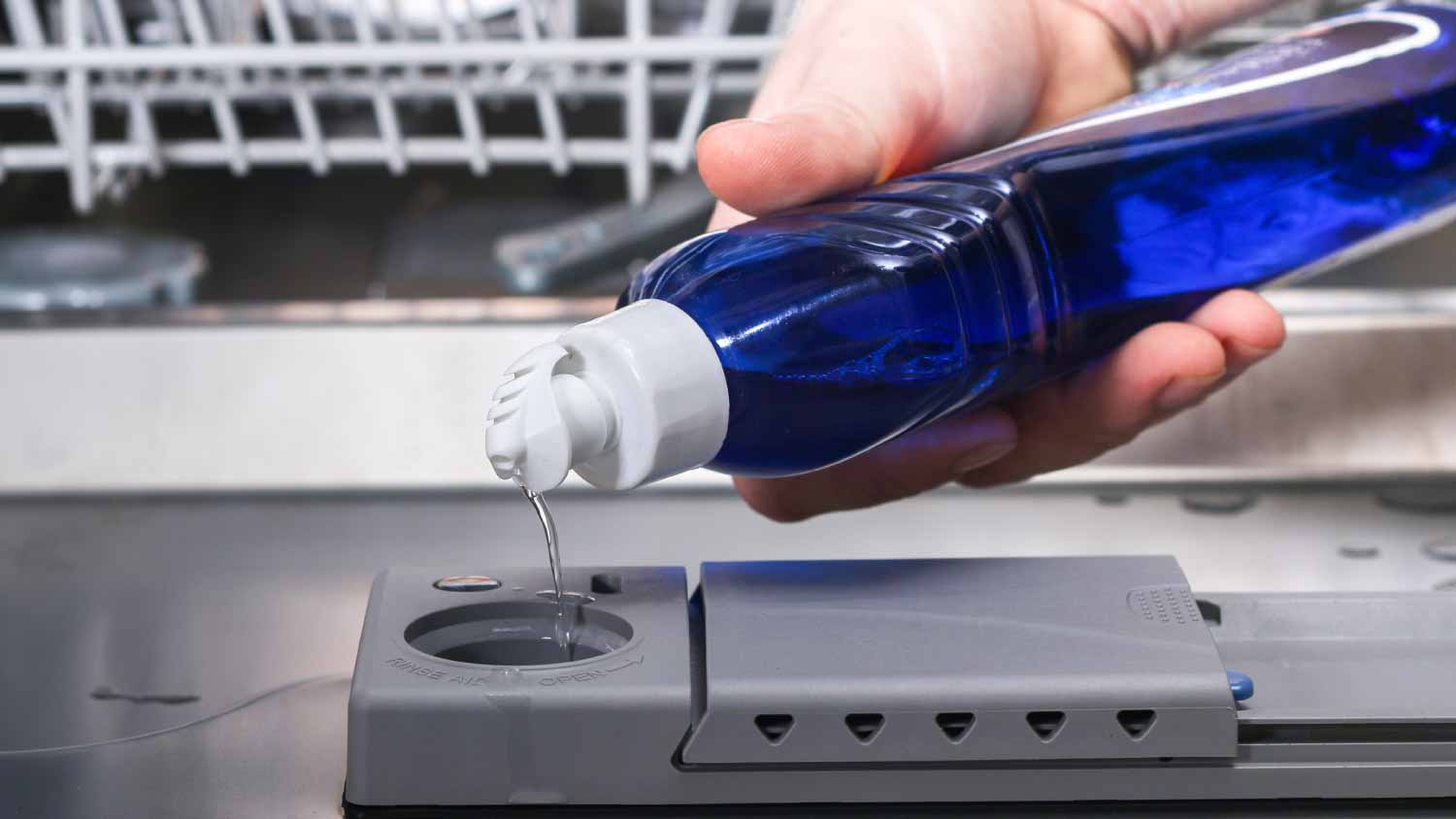
Check the dispenser level before refilling. If it looks empty or low, add rinse aid. Open the cap gently and pour the rinse aid slowly. Fill only to the maximum fill line. Overfilling can cause leaks or poor cleaning. Close the cap tightly to stop spills. Run a short cycle to test if the rinse aid works now.
Inspecting For Damage
Look closely at the dispenser for cracks or broken parts. Damage can stop the rinse aid from releasing. Check the cap seal for wear or dirt. Dirt can block the rinse aid from flowing. Clean the dispenser with a soft cloth if dirty. Replace the dispenser if it shows signs of damage. A working dispenser ensures proper rinse aid use.
Adjusting Rinse Aid Settings
Adjusting the rinse aid settings on your Amana dishwasher helps improve drying and reduces water spots. Proper settings ensure the rinse aid dispenses the right amount during each wash cycle. This adjustment can prevent issues like the dishwasher not using rinse aid correctly.
Setting The Correct Dosage
Find the rinse aid dispenser inside the dishwasher door. It has a dial to control the dose size. Turn the dial to a higher number to increase rinse aid use. Lower the number to reduce the amount. Start with a medium setting for balanced results.
Using The Control Panel
Some Amana models let you adjust rinse aid settings on the control panel. Check your user manual for steps. Use the buttons to select rinse aid level or cycle type. Make small adjustments and test the results. The display helps confirm your choice.
When To Increase Or Decrease
Increase rinse aid if dishes have spots or dry poorly. Decrease it if you see a residue or film on glassware. Adjust gradually to avoid overuse or underuse. Watch how your dishwasher performs after each change. This keeps your dishes spotless and shiny.

Credit: www.reddit.com
Cleaning The Dispenser And Components
Cleaning the dispenser and its parts is key to fixing rinse aid issues. Dirt and residue can block the flow of rinse aid. This stops the dishwasher from using it properly. A clean dispenser helps your dishwasher work better. It also keeps your dishes spot-free and shiny.
Follow these steps to clean the dispenser and its components carefully. This will improve rinse aid use and dishwasher performance.
Removing Build-up
Start by checking the dispenser for any build-up. Use a soft cloth or sponge with warm water. Gently wipe away any soap scum or residue. Avoid harsh scrubbing to prevent damage. Clean both inside and outside of the dispenser. Do this regularly to stop build-up from forming again.
Cleaning The Dispenser Cap
Take off the dispenser cap carefully. Soak it in warm, soapy water for a few minutes. Use a soft brush to clean any stuck dirt or residue. Rinse the cap well under running water. Dry it completely before putting it back. A clean cap ensures the rinse aid releases properly.
Clearing Blockages
Check the dispenser opening for blockages. Use a toothpick or small brush to clear any clogs. Make sure the rinse aid can flow freely. Also, inspect the small holes or slots in the dispenser. Remove any debris that might block rinse aid release. Clear parts help your dishwasher dose rinse aid correctly.
Other Dishwasher Maintenance Tips
Maintaining your Amana dishwasher helps it run smoothly and clean dishes well. Simple checks and regular care keep problems away. These tips support good dishwasher health and better washing results.
Try these easy steps to keep your dishwasher in top shape and avoid issues like not using rinse aid.
Checking Water Temperature
Water temperature affects cleaning power. The ideal temperature is between 120°F and 150°F. Too cold water stops detergent from working well. Use a thermometer to check the water near the dishwasher. Adjust your water heater if needed.
Inspecting Spray Arms
Spray arms must spin freely and spray water evenly. Food particles can block holes and reduce cleaning. Remove the spray arms and rinse them under running water. Use a toothpick to clear small holes. Reinstall them carefully to ensure proper rotation.
Running Cleaning Cycles
Dishwasher cleaning cycles remove grease and buildup. Run a cleaning cycle once a month. Use a dishwasher cleaner or a cup of white vinegar. Place the cleaner on the top rack. This keeps your dishwasher smelling fresh and working well.
When To Call A Professional
Knowing when to call a professional for your Amana dishwasher can save time and avoid frustration. Some problems need expert help to fix safely and correctly. Understanding the signs helps you decide the right moment to get professional support.
Persistent Rinse Aid Issues
If your dishwasher keeps not using rinse aid, even after refilling, it signals a deeper problem. The rinse aid dispenser might be clogged or broken. Continuous issues may affect cleaning quality and leave spots on dishes. A professional can check and repair the dispenser properly.
Electrical Or Mechanical Problems
Strange noises, error codes, or the machine not starting are warning signs. These may come from electrical faults or mechanical failures inside the dishwasher. Such problems require special tools and knowledge to fix. Experts can diagnose and repair these safely to prevent further damage.
Warranty And Service Options
Check if your dishwasher is still under warranty before attempting repairs. Professional service can keep your warranty valid. Authorized technicians know the right parts and methods for Amana dishwashers. Using official service helps maintain your appliance’s performance and lifespan.
Frequently Asked Questions
Why Is My Amana Dishwasher Not Using Rinse Aid?
The rinse aid dispenser might be empty or clogged, stopping the dishwasher from using it properly.
How Do I Check The Rinse Aid Dispenser In Amana Dishwasher?
Open the dishwasher door, locate the rinse aid cap, and check if it needs refilling.
Can A Faulty Rinse Aid Sensor Cause This Issue?
Yes, a broken sensor can prevent the dishwasher from detecting or using rinse aid.
Will Cleaning The Rinse Aid Dispenser Help With This Problem?
Cleaning can remove blockages and let the rinse aid flow correctly during wash cycles.
Does Using The Wrong Rinse Aid Affect My Amana Dishwasher?
Using the wrong type can cause poor rinsing or dispenser blockage, so use recommended products.
Conclusion
Fixing your Amana dishwasher’s rinse aid issue improves cleaning results. Check the rinse aid dispenser for blockages or low levels. Clean the dispenser regularly to keep it working well. Adjust the rinse aid setting to match your water hardness. These simple steps help prevent spots and film on dishes.
Keep your dishwasher maintained for the best performance. Small fixes save time and avoid costly repairs later. Enjoy cleaner dishes and a smoother washing cycle every time.