
Have you noticed a dent in your beautiful hardwood floor and felt that sinking feeling? Those dents can be frustrating, but the good news is, you don’t have to live with them forever.
What if you could fix those dents yourself, without expensive tools or calling a professional? You’ll discover simple, effective ways to get dents out of hardwood floors and bring back that smooth, flawless look you love. Keep reading—you’re just a few easy steps away from restoring your floor’s natural beauty.
Common Causes Of Dents
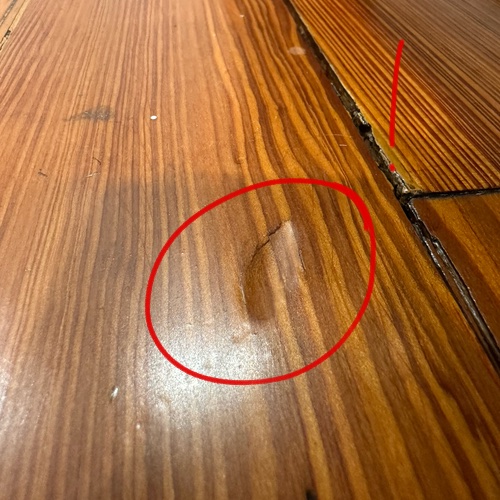
Dents in hardwood floors often happen because of daily activities and accidents. Understanding what causes these dents can help you avoid damage and keep your floors looking great. Here are some common causes that lead to dents in hardwood floors.
Heavy Furniture
Heavy furniture can press down hard on your floor. Moving it without protection can leave dents behind. Sharp or small legs add more pressure and cause deeper dents. Use pads or sliders to reduce damage when moving furniture.
Dropped Objects
Dropping things on hardwood floors can cause dents. Items like tools, toys, or kitchenware can hit the surface hard. Even small objects dropped from a height may leave marks. Be careful while handling heavy or sharp objects above your floor.
High Foot Traffic
Areas with a lot of foot traffic wear down faster. Shoes with hard soles or heels can dent the floor over time. Pets’ claws also add to the damage. Use rugs and keep nails trimmed to protect these spots.
Credit: thecraftsmanblog.com
Tools You’ll Need
Fixing dents in hardwood floors needs the right tools. Using proper tools helps you repair quickly and neatly. These tools are easy to find at stores or online. Each tool has a special role in the repair process.
Iron And Cloth
A clothes iron and a damp cloth can lift dents from wood. Heat and moisture make the wood fibers swell and rise. Use a low heat setting on the iron. Place the damp cloth over the dent before pressing the iron. This method works best for shallow dents.
Wood Filler
Wood filler fills deeper dents and gaps in hardwood floors. It matches the color of your floor for a smooth look. Apply it with a small amount and press it into the dent. Let it dry fully before sanding or finishing. This tool helps restore the floor’s flat surface.
Sandpaper
Sandpaper smooths the repaired area after filling or heating. Use fine-grit sandpaper to avoid scratching the floor. Sand gently in the grain’s direction. This step blends the fix with the rest of the floor. It makes the repair less visible.
Putty Knife
A putty knife spreads wood filler evenly over dents. Its flat edge helps push filler deep into cracks. Use a flexible putty knife for better control. Scrape off any excess filler for a clean finish. This tool ensures the repair looks neat and even.
Using Heat To Raise Dents
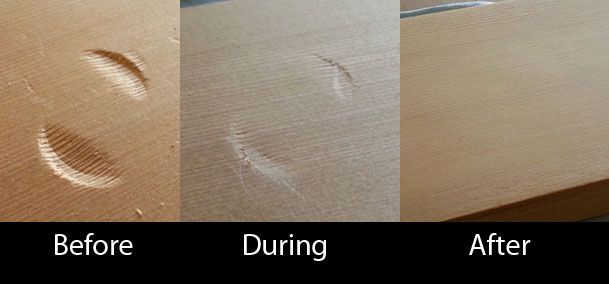
Using heat to raise dents in hardwood floors is a simple and effective technique. It works by making the wood fibers swell and lift back to their original shape. This method is safe for most hardwood floors and does not require special tools. You only need a household iron and a damp cloth to get started.
Heat helps the wood absorb moisture, which causes the dent to expand. The process can restore the smooth surface without sanding or refinishing. It works best on shallow dents caused by light pressure or dropped objects. Deeper or older dents may need professional repair.
Step-by-step Iron Method
Start by cleaning the dented area to remove dust and dirt. Wet a clean cloth with water until it is damp but not dripping. Place the damp cloth over the dent carefully.
Set your iron to medium heat with no steam. Press the iron onto the cloth above the dent for about 10 to 15 seconds. Lift the iron and check the dent. Repeat the heating if needed.
Be patient. The wood fibers will slowly lift as they absorb moisture. Let the area dry fully before walking on it. This method may take a few tries for best results.
Precautions To Avoid Damage
Do not use high heat or steam settings on the iron. Excess heat can burn or discolor the wood finish. Avoid leaving the iron in one spot for too long.
Always use a damp cloth to protect the floor surface. Never apply the iron directly to the wood. Test the method on a small hidden area first.
Stop immediately if the wood looks damaged or the finish starts to peel. Overheating or too much moisture can worsen the dent. Use gentle pressure and short heating sessions only.

Credit: www.reddit.com
Filling Deep Dents
Deep dents in hardwood floors need more than just surface repairs. Filling these dents properly restores the floor’s smooth look and protects it from further damage. The process requires the right materials and careful steps to blend the repair into the wood.
Choosing the correct filler and applying it well ensures the dent disappears and the floor stays strong. Sanding afterward makes the surface even and ready for finishing touches.
Choosing The Right Wood Filler
Pick a wood filler that matches your floor’s color closely. This prevents the repair from standing out. Water-based fillers dry fast and are easy to clean. Use epoxy fillers for very deep dents as they are strong and durable. Avoid fillers that shrink a lot after drying. Test the filler on a hidden spot first. This check helps you see if the color and texture fit well.
Applying And Sanding Filler
Clean the dent area from dust and loose wood pieces. Press the filler firmly into the dent using a putty knife. Overfill the dent slightly to cover the wood completely. Let the filler dry fully. Dry time depends on the product used. Sand the filled area gently with fine-grit sandpaper. Sand until the surface is smooth and level with the surrounding floor. Wipe away dust before applying any stain or finish. This step helps the repair blend with the rest of the floor.
Touching Up The Floor Finish
After removing dents from hardwood floors, the finish often needs some care. Touching up the floor finish helps the wood look smooth and new. It also protects the floor from damage and wear. This process involves matching the stain and applying a clear coat to blend the repair with the rest of the floor.
Matching Stain And Finish
Choose a stain that closely matches your floor’s color. Test the stain on a small, hidden area first. This step ensures the color blends well. Use a soft cloth or brush to apply the stain gently. Allow it to dry completely before adding more. Multiple thin coats work better than one thick layer.
Applying Clear Coat
Clear coat seals the stain and protects the wood. Pick a finish type that matches your floor, like satin or gloss. Apply the clear coat with a small brush or foam applicator. Use smooth, even strokes to avoid streaks. Let the clear coat dry fully between layers. Two or three coats give the best protection and shine.
Preventing Future Dents
Preventing dents in hardwood floors keeps them looking fresh and new. Small dents happen over time from daily activities. Taking simple steps can protect your floor’s surface. These easy methods help avoid damage and save money on repairs.
Using Furniture Pads
Place soft pads under furniture legs. They stop heavy furniture from pressing hard on the floor. Choose felt or rubber pads for best results. Check pads regularly and replace worn ones. This reduces scratches and dents in busy areas.
Area Rugs And Mats
Use rugs in places with high foot traffic. They protect floors from shoes and dropped items. Place mats near doors to catch dirt and moisture. Rugs also add style and warmth to rooms. Choose rugs with non-slip backing for safety.
Regular Maintenance Tips
Clean floors gently with a soft broom or mop. Avoid harsh chemicals that can weaken the wood. Wipe spills quickly to prevent stains and damage. Keep pet nails trimmed to avoid scratches. Regular care keeps your floor strong and smooth.
Credit: www.instructables.com
Frequently Asked Questions
How Can I Fix Small Dents In Hardwood Floors?
Use a damp cloth and a hot iron to steam dents out. The steam makes the wood swell and fill the dent. Repeat if needed, then let the floor dry completely.
What Tools Do I Need To Remove Hardwood Floor Dents?
You need a clean cloth, an iron, and fine sandpaper. Optionally, wood filler and a matching stain can help for deep dents. These tools are easy to find and simple to use.
Can I Use Household Items To Repair Floor Dents?
Yes, a wet cloth and a regular iron work well. The heat and moisture help wood fibers expand and fix dents. This method is safe for most hardwood floors.
Will Sanding Remove Dents From Hardwood Floors?
Light sanding can smooth shallow dents but might not fix deep ones. Sand carefully to avoid damaging the floor finish. Follow up with refinishing if needed.
How Long Does It Take To Fix Dents In Hardwood Floors?
Fixing small dents usually takes about 10 to 20 minutes. Drying time after steaming may add a few hours. Complex repairs or refinishing will take longer.
Conclusion
Dents on hardwood floors can be fixed with simple steps. Use household items like an iron and a damp cloth to raise dents. Sanding and refinishing may help for deeper marks. Taking care of your floors keeps them looking nice and new.
Small repairs save money and extend floor life. Try these tips to bring back your floor’s smooth surface. Don’t let dents spoil your beautiful hardwood floors. Act gently and patiently for the best results. Your floors will thank you with a fresh, smooth look.