
Are your fence panels looking worn out or damaged between wooden posts? Replacing them might seem like a big task, but with the right steps, you can do it yourself and save money.
Imagine how satisfying it will be to restore your fence to its original strength and beauty. In this guide, you’ll learn simple, clear instructions to replace your fence panels quickly and confidently. Keep reading—you’re just a few easy steps away from making your fence look brand new again!

Credit: www.youtube.com
Tools And Materials Needed
Replacing fence panels between wooden posts needs the right tools and materials. This ensures a smooth and safe job. Preparing well saves time and effort. Gather everything before starting.
Essential Tools
Start with a hammer for nails and a screwdriver for screws. A drill helps to remove or fix screws fast. Use a crowbar to pry off old panels carefully. A tape measure checks panel size precisely. A saw may be needed to trim panels to fit. Have a level to keep the fence straight. Gloves protect your hands from splinters and nails.
Choosing Replacement Panels
Select panels that match the height and style of the old fence. Wood types like cedar or pine are common. Choose treated wood for longer life outdoors. Prefabricated panels save time but measure posts first. Custom panels fit better but may cost more. Check for smooth surfaces and no cracks. The right panel improves fence look and strength.
Safety Gear
Wear sturdy gloves to protect hands from sharp edges. Safety glasses shield eyes from dust and wood chips. Closed-toe shoes prevent injury from dropped tools or wood. Hearing protection is good if using loud power tools. Dress in long sleeves and pants to avoid scratches. Safety first keeps the job easy and injury-free.
Preparing The Area
Preparing the area is the first step to replacing fence panels between wooden posts. A clean, safe space helps the work go smoothly. It also protects your tools and materials from damage. Taking time to prepare saves effort later.
Clearing The Work Zone
Remove any plants, debris, or objects near the fence panels. Clear grass, weeds, and stones around the posts. This creates space to move and work easily. Keep children and pets away from the area. A tidy zone reduces accidents and distractions.
Inspecting Existing Posts
Check each wooden post for damage or rot. Press the post with your hand to feel if it’s solid. Look for cracks, splits, or insect holes. Posts must be sturdy to hold new panels. Replace weak or damaged posts before installing panels.
Removing Old Fence Panels
Removing old fence panels is the first step in replacing them. It helps prepare the area for new panels. This process requires care to avoid damaging the wooden posts. Taking your time ensures the posts stay strong for the new fence.
Detaching Panels From Posts
Start by checking how the panels are fixed to the posts. Look for nails, screws, or brackets holding the panels. Use a hammer or screwdriver to remove these fasteners gently. Pull the panel away from the posts slowly. Avoid forcing it to prevent breaking the posts.
Handling Damaged Panels
Old panels may be cracked or rotten. Handle them carefully to avoid injury from sharp edges or splinters. Dispose of broken pieces properly to keep the area safe. If panels are reusable, clean and store them in a dry place. This keeps them ready for repair or other projects.
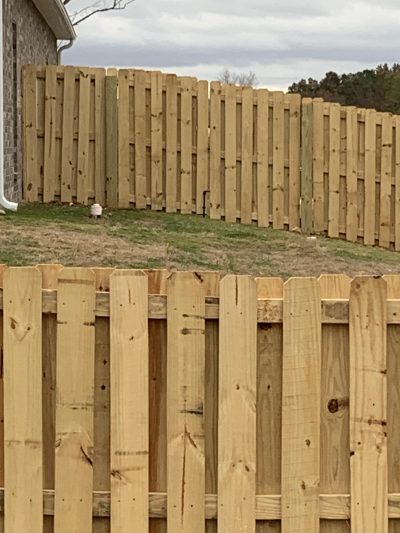
Credit: huntsvilleresidentialfencing.com
Checking And Repairing Wooden Posts
Checking and repairing wooden posts is a key step before replacing fence panels. Strong posts keep your fence stable and safe. Weak or damaged posts can make panels loose or fall off.
Take time to examine each post carefully. Fix problems early to avoid bigger repairs later. Solid posts will hold new panels well and keep your fence looking good.
Assessing Post Stability
Start by pushing each post gently. Check for wobbling or movement. Firm posts stay steady with little to no give.
Look for cracks, rot, or insect damage on the wood. Soft or crumbling wood means the post is weak. Posts buried in wet soil often rot faster.
Inspect the base of each post where it meets the ground. This area faces the most wear and tear. Make sure posts stand straight and do not lean.
Fixing Or Replacing Posts
Small cracks or surface rot can be fixed with wood hardener and sealant. Remove loose wood before applying treatment. Let it dry completely before adding panels.
Posts that wobble or have deep rot should be replaced. Dig around the post and pull it out carefully. Install a new post in the same spot.
Use concrete to secure new posts firmly in the ground. This prevents movement and adds strength. Allow concrete to cure fully before attaching panels.
Installing New Fence Panels
Installing new fence panels is a key step after removing old or damaged ones. It helps keep your fence sturdy and looking good. This process needs care to make sure panels fit well and last long. Follow simple steps to place panels correctly and secure them tightly to wooden posts.
Aligning Panels Properly
Start by placing the new panel between the wooden posts. Check that the panel sits evenly on the ground. The top edge of the panel should be level with the posts. Use a level tool to make sure the panel is straight. Adjust the panel until it fits snugly without gaps. Proper alignment prevents the fence from leaning or wobbling.
Securing Panels To Posts
Use galvanized screws or nails to attach the panel to the posts. Begin at the top corner and work your way down. Drive fasteners through the panel frame into the wooden posts. Make sure each screw or nail is tight but avoid splitting the wood. Check the panel’s stability after securing it. A firmly attached panel resists wind and weather damage.
Finishing Touches
After installing your new fence panels, the work is not quite done. Finishing touches protect your fence and keep it looking good for years. Taking time to seal, paint, and clean the area will make a big difference. These final steps help your fence last longer and look neat.
Sealing And Painting
Apply a good wood sealer to protect the panels from moisture. This prevents rotting and warping over time. Use a brush or sprayer for even coverage. Let the sealer dry fully before painting.
Choose paint made for outdoor wood surfaces. Paint adds color and an extra layer of protection. Use smooth, even strokes to avoid drips. Two coats usually work best for durability. Let each coat dry before adding the next.
Cleaning Up The Site
Remove all tools, nails, and leftover wood pieces. Sweep or rake the ground around your fence. This clears debris and prevents accidents. Dispose of waste properly to keep your yard tidy. A clean site shows your work is finished and professional.
Maintenance Tips For Longevity
Maintaining fence panels between wooden posts helps extend their life. Proper care keeps the fence strong and looking good. Simple steps prevent costly repairs and replacements later.
Regular maintenance also protects wood from weather damage and pests. It saves time and money over years of use. Here are key tips to keep your fence panels lasting longer.
Regular Inspections
Check your fence panels often for signs of wear or damage. Look for cracks, loose nails, or broken boards. Early detection helps fix small problems before they get worse.
Inspect after storms or heavy wind. Make notes of any weak spots or leaning posts. Regular checks keep your fence safe and sturdy.
Preventing Rot And Damage
Wood rots when exposed to moisture for long periods. Keep the base of the posts dry by clearing away dirt and leaves. Allow air to flow around the wood to stop dampness.
Apply a water-resistant sealant or wood preservative each year. This protects against rain, sun, and insects. Avoid direct ground contact to reduce wood decay.
Trim plants or vines growing on or near the fence. These trap moisture and cause faster rotting. Clean your fence panels with mild soap and water to remove dirt and mold.

Credit: www.youtube.com
Frequently Asked Questions
How Do I Remove Old Fence Panels Safely?
Start by removing nails or screws holding the panel. Use a crowbar to gently lift the panel away from posts. Wear gloves to protect your hands during removal.
What Tools Are Needed To Replace Fence Panels?
You need a hammer, screwdriver, drill, measuring tape, and replacement panels. Safety gloves and eye protection are also important. These tools help with quick and safe installation.
How To Measure For New Fence Panels Accurately?
Measure the distance between the wooden posts at the top and bottom. Use a tape measure for precise length. This ensures the new panel fits well without gaps.
Can I Reuse Old Fence Posts When Replacing Panels?
Yes, old posts can be reused if they are sturdy and not rotten. Check for damage or warping before reusing. Strong posts save time and money during replacement.
How Long Does It Take To Replace Fence Panels Between Posts?
Replacing one fence panel usually takes about 30 to 60 minutes. Time varies by skill level and tools available. Planning ahead helps finish the job faster.
Conclusion
Replacing fence panels between wooden posts is simple with the right steps. Measure carefully and choose strong panels. Remove old panels gently to avoid damage. Secure new panels tightly for long-lasting support. Take your time and work safely. A well-maintained fence keeps your yard neat and secure.
This small project can improve your home’s look quickly and affordably. You can handle it yourself with patience and care. Try it soon and enjoy a fresh, sturdy fence.