
Choosing the right color to paint your furniture can feel overwhelming. You want something that matches your style, fits your space, and makes your furniture stand out — but where do you even start?
The color you pick can transform a room, boost your mood, and bring new life to old pieces. You’ll discover simple, practical tips to help you decide the perfect color for your furniture. Keep reading, and you’ll soon feel confident turning your ideas into beautiful, eye-catching results.
Factors That Influence Color Choice
Choosing the right color to paint furniture depends on several important factors. Each factor affects how the color looks and feels in your space. Understanding these can help you pick a color that fits perfectly with your room and style.
Room Lighting And Color Impact
Lighting changes how paint colors appear on furniture. Natural light shows true colors but varies throughout the day. Artificial light can add warm or cool tones to the paint. Test paint samples in different lights before deciding.
Furniture Style And Era
The style and age of furniture guide color choices. Vintage pieces often suit muted, classic colors. Modern furniture can handle bold or bright shades. Match the color with the furniture’s character for the best look.
Existing Room Palette
Colors already in the room affect your furniture color choice. Choose colors that complement walls, floors, and decor. A balanced palette creates harmony and avoids clashing colors. This helps the furniture blend or stand out as needed.
Personal Taste And Mood
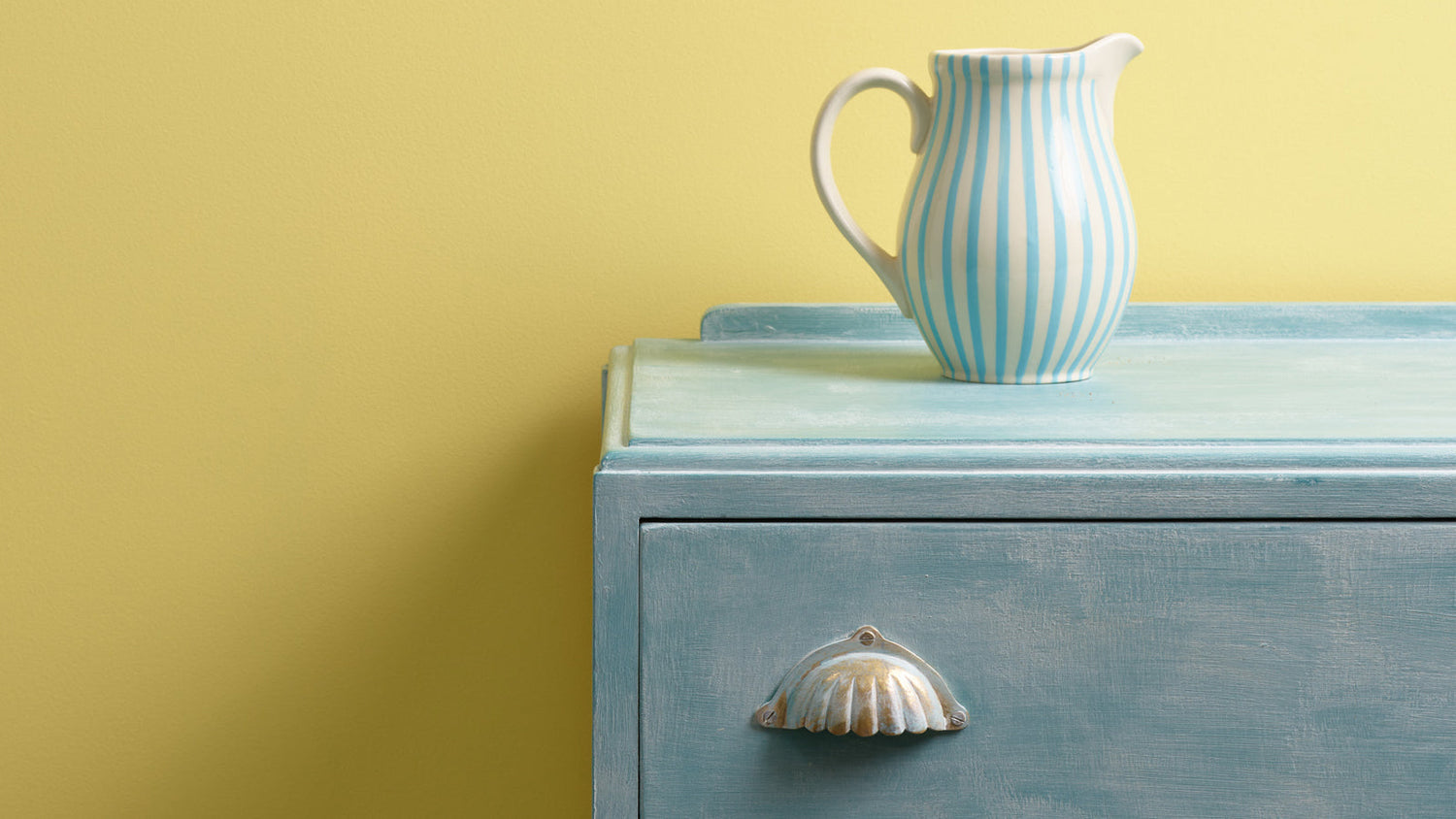
Your feelings about color matter most. Think about the mood you want to create. Soft colors bring calmness. Bright colors add energy and fun. Pick colors that make you happy and suit your personality.
Credit: frenchicpaint.co.uk
Popular Color Options For Furniture
Choosing the right color for your furniture sets the mood of any room. Color affects how space feels and looks. Some colors bring calm, while others create energy. Understanding popular color options helps pick the best shade for your style.
Explore classic neutrals, bold hues, soft pastels, and dark shades. Each choice offers a unique look and vibe. This guide makes it easier to decide what color fits your furniture and home.
Classic Neutrals
Neutrals like white, beige, and gray never go out of style. They blend well with many color schemes. These shades make rooms feel open and clean. Neutral furniture works in both modern and traditional spaces. It allows other decor elements to shine.
Bold And Bright Hues
Bright colors like red, blue, or yellow bring energy to a room. They create a strong statement and draw attention. Bold furniture colors suit lively and creative spaces. Use them to add fun and personality. These hues often become the room’s focal point.
Soft Pastels
Pastel colors such as light pink, mint, or lavender create a gentle, soothing feel. They soften the look of furniture and add charm. Pastels work well in bedrooms and cozy living areas. These shades bring a fresh and airy atmosphere.
Dark And Moody Shades
Dark colors like navy, charcoal, or deep green add drama and depth. They give furniture a rich and elegant look. Dark shades suit sophisticated and modern interiors. These colors can make large rooms feel warmer and more inviting.
Techniques To Test Colors
Choosing the right color for your furniture is important. Testing colors helps you see how they look before painting the whole piece. This process saves time and money. It also prevents disappointment.
Several easy techniques help you test colors well. These methods show you how paint looks on your furniture in real life. They reveal how light and texture affect the color. Try these techniques for a better color choice.
Using Paint Samples
Buy small paint samples from the store. Apply a few coats on a hidden part of your furniture. Let the paint dry fully. This method shows the true color on your material. It also helps you see the finish and texture.
Samples cost less and come in small containers. Testing this way avoids buying large paint cans in the wrong shade. You get a real idea of how the color feels on your furniture.
Creating Color Swatches
Paint small squares on paper or cardboard. Use multiple colors you like. Place these swatches near your furniture. Move them around to see which shade fits best.
This technique lets you compare colors side by side. It also works well if you want to match the paint to existing room colors. Swatches are easy to make and change quickly.
Observing Colors At Different Times
Colors look different under various lighting conditions. Check your paint samples or swatches in natural daylight and artificial light. Look at them in the morning, afternoon, and evening.
This practice helps you see how the color changes throughout the day. It prevents surprises when the room lighting changes. Testing colors in different lights gives a clear picture of the final look.
Balancing Color With Room Elements
Choosing the right color for your furniture means thinking about the whole room. The furniture color should fit well with the room’s other elements. This balance makes the space feel comfortable and inviting. It also helps your furniture stand out in the best way.
Consider the colors of walls, floors, textiles, and lighting. These parts work together to create the room’s mood. Picking a furniture color that matches these elements can improve the room’s style and flow.
Coordinating With Walls And Floors
Walls and floors set the room’s base colors. Choose furniture colors that either blend or contrast nicely with these surfaces. Light walls pair well with darker furniture for a nice balance. Dark floors can make light-colored furniture pop. Avoid colors that clash harshly with wall and floor tones. Aim for harmony to create a peaceful space.
Matching Textiles And Accessories
Textiles like curtains, rugs, and cushions add color and texture. Furniture color should connect with these fabrics. Use similar shades or tones to tie everything together. Or pick a furniture color that complements the textiles for a fresh look. This matching helps the room feel unified and cozy.
Considering Lighting Fixtures
Lighting changes how colors appear in a room. Warm lights make colors look softer and warmer. Cool lights highlight cooler tones and make colors look sharper. Choose furniture paint that looks good under your room’s lighting. Test paint samples in different lights to see how they change. Good lighting makes your furniture color shine.
Tips For Different Furniture Types
Choosing the right color for furniture depends on the material. Each type needs a different approach. The finish, texture, and use of the furniture affect the color choice. This section gives tips for painting wooden, metal, and upholstered furniture. These tips help you pick colors that fit each type well.
Wooden Pieces
Wood shows paint color clearly. Light colors make small wooden furniture look bigger. Dark colors add richness to large pieces. Consider the wood grain. Paint that lets the grain show adds charm. Use paint that sticks well to wood. Sand the surface before painting for smooth results. Try soft pastels for a calm look. Bright colors make wood stand out.
Metal Furniture
Metal needs special paint to prevent rust. Choose colors that suit the room’s style. Bright colors work well on metal garden furniture. Dark or neutral colors suit indoor metal pieces. Use spray paint for even coverage. Smooth the surface before painting for better hold. Glossy finishes highlight metal’s shine. Matte finishes give a modern look.
Upholstered Items
Painting fabric is tricky but possible. Use fabric paint designed for flexibility. Pick colors that match the room’s vibe. Light colors brighten the space and feel fresh. Dark colors hide stains and wear better. Test paint on a small area first. Keep in mind the fabric’s texture. Smooth fabrics take paint evenly. Rough fabrics need more coats.

Credit: www.youtube.com
Common Mistakes To Avoid
Choosing the right color for your furniture can be tricky. Many people make avoidable mistakes that affect the final look. Knowing these common errors helps you paint with confidence and get great results. Here are some key mistakes to watch out for.
Ignoring Lighting Effects
Light changes how color looks on furniture. Natural light makes colors appear brighter. Artificial light can add warm or cool tones. Paint that looks perfect in one room may look dull or harsh in another. Always check how the color looks at different times of day.
Choosing Trend Over Timelessness
Trendy colors can feel fresh but may quickly go out of style. Furniture lasts for years, so pick colors that stay attractive over time. Neutral or classic shades work well in many spaces. Avoid colors that feel too bold or dated after a short while.
Skipping Test Applications
Painting a small test patch is essential. It shows the true color and finish on your furniture. Skipping this step can lead to surprises after painting the entire piece. Test different colors on hidden areas before making a final choice.
Maintenance And Longevity Of Painted Furniture
Maintaining painted furniture well helps keep its look fresh and bright. Choosing the right paint and finish affects how long your furniture lasts. Proper care also stops damage and wear. You can enjoy your painted pieces for many years with simple steps.
Choosing Durable Paints
Pick paints made for furniture use. Look for products labeled as durable or washable. Acrylic and latex paints offer good strength and color retention. They resist scratches and stains better than regular paints. Avoid paints that chip or peel easily. This helps the furniture stay beautiful longer.
Protective Finishes
Apply a clear finish over the paint. Polyurethane or varnish adds a strong protective layer. It guards against moisture, heat, and daily wear. Choose matte or glossy finishes based on your style. A finish also makes cleaning easier. Reapply the finish every few years to keep protection strong.
Cleaning And Care Tips
Clean painted furniture with a soft, damp cloth. Avoid harsh chemicals that damage paint and finish. Dust regularly to prevent buildup. Wipe spills quickly to stop stains. Use coasters and pads to protect surfaces from heat and scratches. Handle furniture gently to avoid dents and chips.
Credit: www.cravingsomecreativity.com
Frequently Asked Questions
What Factors Should I Consider Before Choosing Furniture Paint Color?
Think about the room’s size, lighting, and existing colors. Match paint with your decor style and mood you want.
How Does Room Lighting Affect Furniture Paint Color?
Natural and artificial lights change how paint looks. Test paint samples in different lights before deciding.
Should I Match Furniture Paint With Wall Color?
Not always. Contrast can create interest, while matching gives a calm, unified look. Choose based on your style.
What Paint Finish Is Best For Furniture?
Satin or semi-gloss finishes are durable and easy to clean. They also highlight the furniture’s details well.
How Can I Choose A Timeless Furniture Paint Color?
Pick neutral shades like white, gray, or beige. They blend with many styles and stay stylish longer.
Conclusion
Choosing the right color for your furniture is a fun and simple process. Think about your room’s style and the mood you want to create. Test colors on a small area first to see how they look in different light.
Remember, your furniture color should match your personal taste and space. Take your time and enjoy the process. The right color will bring new life and comfort to your home. Trust your instincts and make a choice that feels right for you.