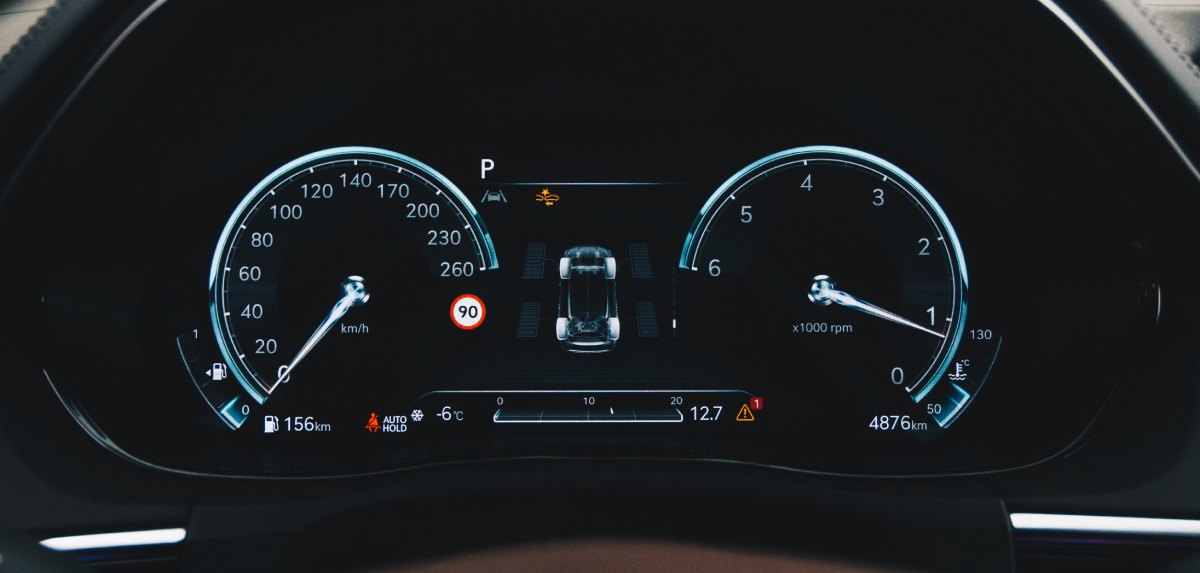
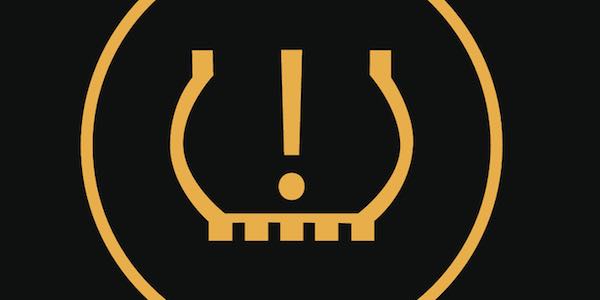
Have you noticed the tire pressure light blinking on your Nissan’s dashboard? That little warning can be confusing and even a bit worrying.
You might wonder what it means, whether it’s serious, and what you should do next. Understanding why this light blinks can save you from unexpected problems on the road and keep your Nissan running smoothly. Keep reading, and you’ll learn exactly what to watch for and how to fix it before it turns into a bigger issue.
Why Tire Pressure Light Blinks
The tire pressure light on your Nissan blinks to alert you of an issue. This warning helps you know when your tires need attention. Understanding why the light blinks can save you time and keep you safe.
Several reasons can cause the tire pressure light to blink. Each reason relates to the tire pressure monitoring system (TPMS) and how it works. Knowing these causes helps you decide what to do next.
Sensor Malfunction
The tire pressure sensors can stop working properly. Dirt, damage, or wear can cause the sensor to fail. When this happens, the light blinks to warn you of a problem. A broken sensor may need repair or replacement.
Rapid Pressure Changes
Quick changes in tire pressure can trigger the blinking light. Driving on rough roads or hitting a pothole can cause sudden pressure drops. The system detects the change and alerts you immediately. Check your tires and fix any leaks fast.
Low Battery In Sensor
Each tire sensor has a small battery inside. Over time, this battery loses power. When the battery runs low, the tire pressure light starts blinking. The sensor will need a new battery or a full replacement to work again.
Seasonal Temperature Effects
Cold weather can lower tire pressure quickly. The air inside tires shrinks as temperatures drop. This change can make the tire pressure light blink on and off. Checking and adjusting tire pressure during seasons helps prevent this issue.
Credit: www.nissanofvannuys.com
Immediate Actions To Take
The tire pressure light blinking on your Nissan signals a problem that needs quick attention. Ignoring it can lead to unsafe driving conditions. Taking immediate action helps protect your tires and your safety on the road. Follow these steps to address the issue effectively.
Check Tire Pressure Manually
Use a reliable tire pressure gauge to check each tire. Compare the readings with the pressure listed in your vehicle’s manual or door sticker. Inflate or deflate tires to the recommended levels. This step ensures your tires have the right air pressure for safe driving.
Inspect Tires For Damage
Look for cuts, cracks, or punctures on the tire surface. Check for bulges or uneven wear on the sidewalls. Damaged tires can cause the pressure light to blink. Replace or repair any tire that shows signs of damage to avoid accidents.
Reset The Tpms
After adjusting tire pressure or fixing damage, reset the Tire Pressure Monitoring System (TPMS). Locate the reset button, usually under the dashboard or in the glove box. Follow the Nissan manual instructions to complete the reset. This action turns off the blinking light once the issue is resolved.
Common Causes In Nissan Vehicles
The tire pressure light blinking on your Nissan can be confusing and worrying. This light shows there might be an issue with the Tire Pressure Monitoring System (TPMS). Knowing the common causes helps you fix the problem fast. Nissan vehicles have a few typical reasons why this light blinks.
Understanding these causes saves time and prevents damage. It also keeps your driving safe and smooth. Below are some common reasons the tire pressure light might blink in a Nissan.
Faulty Tpms Sensors
TPMS sensors check the air pressure in each tire. These sensors can fail over time. Battery life inside the sensor is limited. When a sensor dies, the light blinks to warn you. Dirt or damage can also stop sensors from working well. A faulty sensor sends wrong signals to your car’s system. This triggers the blinking tire pressure light.
Software Glitches
Nissan vehicles use software to monitor tire pressure. Sometimes, this software has bugs or errors. These glitches cause the light to blink without a real problem. Software updates or resets can fix this issue. Glitches often appear after tire changes or battery disconnection. The system needs to relearn tire data for proper function.
Tire Rotation Impact
Tire rotation changes the position of each tire. TPMS sensors are linked to specific wheels. After rotation, the system may get confused. This causes the tire pressure light to blink. The car needs to recognize the new sensor positions. Without this, the TPMS warns about wrong pressure. Resetting the TPMS after rotation stops the blinking light.
Tools Needed For Quick Fixes
Fixing a blinking tire pressure light on your Nissan can be simple. Having the right tools helps you save time and avoid extra trips to the mechanic. These tools let you check and reset the system quickly. Keep them handy for easy maintenance.
Tire Pressure Gauge
A tire pressure gauge shows the exact pressure in each tire. It helps spot low or uneven pressure fast. Use a gauge before adding air to avoid overinflation. Many types exist, from digital to stick gauges. Choose one that feels easy to use and read.
Tpms Reset Tool
The TPMS reset tool resets the tire pressure monitoring system. After adjusting tire pressure, this tool tells the car to update its sensors. It works for most Nissan models. This tool is small and simple, making it a must-have for quick fixes.
Diagnostic Scanner
A diagnostic scanner reads error codes from your car’s computer. It identifies the cause of the blinking light if pressure is fine. Some scanners offer live data to watch sensor readings. Using this tool avoids guesswork and helps with accurate repairs.
Step-by-step Fixes
The tire pressure light blinking on your Nissan signals a problem with the tire pressure monitoring system (TPMS). Fixing this issue ensures your safety and improves tire performance. Follow these simple steps to solve the problem quickly and easily.
Adjusting Tire Pressure
Check each tire’s pressure using a reliable gauge. Compare the reading with the recommended pressure found in the driver’s manual or door sticker. Add air to tires that are below the recommended level. Release air if the pressure is too high. After adjusting, drive for a few minutes to see if the light stops blinking.
Replacing Faulty Sensors
Faulty TPMS sensors can cause the light to blink. Remove the tire and inspect the sensor for damage or corrosion. Replace the sensor if it is broken or dead. Use sensors compatible with your Nissan model. Professional help may be needed to replace sensors correctly.
Reprogramming Tpms
Sometimes, the TPMS needs reprogramming after sensor replacement or tire rotation. Use a TPMS tool or visit a Nissan service center. Follow the instructions to reset or relearn the system. This step ensures the sensors communicate properly with the car’s computer. The light should stop blinking after successful reprogramming.
Credit: www.brakeandfrontend.com
Preventive Maintenance Tips
Keeping your Nissan’s tire pressure light from blinking is easier with proper care. Regular maintenance prevents sudden issues and keeps your driving safe. Simple checks and timely replacements help your car run smoothly. Follow these easy steps to avoid problems and save money.
Regular Tire Pressure Checks
Check tire pressure at least once a month. Use a reliable gauge to measure each tire. Inflate tires to the recommended levels found in the owner’s manual. Proper pressure improves fuel efficiency and tire life. Low pressure can cause the light to blink and affect handling.
Seasonal Tire Care
Change tires according to the season. Winter tires provide better grip on snow and ice. Summer tires perform best in warm weather. Inspect tires for wear and damage during each change. Rotating tires every 6,000 miles helps even out wear and extends tire life.
Battery Replacement Schedule
A weak battery can cause sensor errors and blinking lights. Check your Nissan’s battery health regularly. Replace the battery every 3 to 5 years or as recommended. A strong battery ensures the tire pressure monitoring system works correctly. Avoid sudden light blinking by keeping the battery in good condition.
When To See A Professional
The tire pressure light blinking on your Nissan signals a possible issue with your tires or the monitoring system. Knowing when to see a professional helps avoid bigger problems. Some signs mean you need expert help right away. Others may just require a quick check. Below are key situations to watch for.
Persistent Light Blinking
If the tire pressure light keeps blinking after you adjust tire pressure, it shows a deeper problem. This blinking means the system cannot read the tire pressure correctly. It might be a sensor issue or wiring fault. A professional can find the exact cause and fix it safely.
Multiple Sensor Failures
Sometimes, more than one tire sensor fails. The light may blink or stay on constantly. This can confuse the monitoring system and give wrong warnings. A trained technician will check each sensor. They will replace or repair the faulty ones to restore proper function.
Advanced Diagnostic Needs
Modern Nissan vehicles use complex systems to monitor tire pressure. Some problems need advanced diagnostic tools. Simple resets or air refills won’t help. A professional has the right equipment to scan and fix electronic or sensor faults. This ensures your car stays safe on the road.

Credit: www.youtube.com
Frequently Asked Questions
Why Is My Nissan Tire Pressure Light Blinking?
A blinking tire pressure light usually means a problem with the TPMS sensor. It could be a low battery or a sensor fault. Check the sensor or visit a mechanic.
How To Reset Tire Pressure Light On Nissan?
Drive your Nissan at 50 mph for 10 minutes to reset the light. You can also use the TPMS reset button if available. Always check tire pressure first.
Can Low Tire Pressure Cause Blinking Light?
Yes, very low tire pressure can cause the light to blink. It alerts you to unsafe tire conditions. Inflate tires to the recommended level.
What Does A Blinking Tire Pressure Light Mean At Night?
A blinking light at night still signals a TPMS issue. It may be harder to see but still needs attention. Check your tires or sensors soon.
Is It Safe To Drive With Blinking Tire Pressure Light?
Driving with a blinking light is risky. It means the system may not work properly. Fix the issue quickly to avoid tire damage or accidents.
Conclusion
A blinking tire pressure light on your Nissan signals a problem. It warns you to check your tire pressure soon. Driving with low or uneven pressure can be unsafe. Fixing the issue helps your car run better. Keep an eye on your tires regularly.
Simple checks can prevent bigger problems later. Stay safe and keep your Nissan in good shape. Don’t ignore the blinking light—it matters. Taking action today protects you and your vehicle tomorrow.