
Have you ever noticed your fire detector blinking a red light and wondered what it means? That little flashing signal is more important than you might think.
It could be trying to warn you about a simple issue or something that needs your immediate attention. Understanding why your fire detector is blinking red can help keep you and your loved ones safe. Keep reading to find out what that blinking red light means and what steps you should take next.

Credit: www.wikihow.com
Why Fire Detectors Blink Red
Fire detectors use a blinking red light to share important information. This light helps you understand the detector’s status without any noise. Knowing why a fire detector blinks red can keep your home safe and alert you to issues.
Normal Operation Indicators
A slow blinking red light often means the detector works fine. It shows the device is powered and monitoring the air. This steady blink gives peace of mind that your fire detector is active.
Low Battery Warnings
A faster blinking red light usually signals low battery. The detector needs new batteries soon to keep working. Ignoring this can lead to the detector stopping completely.
Sensor Malfunctions
If the red light blinks oddly or often, the sensor might be faulty. Dirt or dust can block the sensor, causing errors. Cleaning or replacing the detector fixes this problem.
Power Supply Issues
Power problems cause irregular blinking too. A loose wire or dead backup battery can trigger this. Check connections or replace batteries to restore normal operation.
Common Causes Of Red Light Blinking
A blinking red light on a fire detector signals an issue. It is important to know the common causes. This helps in quick checks and fixes. Understanding these causes keeps your home safe and your detector working.
Expired Smoke Detector
Smoke detectors do not last forever. Most have a life of 8 to 10 years. After this, the red light may blink. It warns you to replace the unit. Using an expired detector can risk your safety.
Dust And Debris Interference
Dust and dirt can block the smoke sensor. This causes false alerts or blinking lights. Regular cleaning stops dust build-up. Use a soft brush or vacuum to clean the detector gently.
Electrical Problems
Low battery or wiring issues often cause blinking. A weak battery cannot power the detector well. Faulty wiring can disrupt the alarm’s signals. Check the battery and connections regularly to avoid problems.
Environmental Factors
Heat, steam, or smoke from cooking can trigger the light. Placing detectors too close to kitchens or bathrooms causes this. Strong sunlight or cold drafts also affect the detector. Position detectors in proper spots to reduce false alarms.
How To Fix A Blinking Fire Detector
A blinking red light on a fire detector signals a need for attention. It may indicate low battery, dirt, or a wiring problem. Fixing it ensures safety and peace of mind. Follow these simple steps to stop the blinking and keep your detector working well.
Replacing Batteries
Most blinking lights mean the battery is low. Remove the detector from its base. Open the battery compartment and take out the old batteries. Use fresh batteries that match the device’s requirements. Insert the new batteries carefully, following the polarity signs. Close the compartment and reattach the detector. The blinking should stop once the new batteries power the device.
Cleaning The Detector
Dirt and dust can cause the detector to blink. Use a soft brush or a vacuum cleaner with a soft nozzle. Gently clean around the sensor and vents. Avoid using water or cleaning sprays. Cleaning removes blockages that confuse the detector. After cleaning, the blinking may stop if dirt was the cause.
Resetting The Device
Resetting clears errors and resets the detector’s system. Find the reset button on the device. Hold it down for about 15 seconds. Release the button and wait for the detector to reboot. The blinking light should disappear if the reset solves the issue. Check the user manual for exact reset instructions for your model.
Checking Wiring And Power
Hardwired detectors may blink due to power issues. Turn off the main power to the detector. Inspect the wiring for loose or damaged connections. Tighten or repair wires as needed. Restore the power and watch the detector. A steady light means the power issue is fixed. Contact a professional electrician if unsure about handling wiring safely.

Credit: preparedhero.com
When To Replace Your Fire Detector
Knowing when to replace your fire detector is crucial for home safety. A blinking red light can signal different issues, but replacement may be necessary. Regular checks help ensure your device works properly. Fire detectors do not last forever. Over time, they lose sensitivity and may fail to detect smoke or fire.
Signs Of Device Failure
Repeated blinking red light without cause can indicate failure. The detector may not respond to test buttons or alarms. Strange noises or no sound during tests are warning signs. Dust or damage can also harm the sensor. If your fire detector shows these signs, replacing it is safer.
Manufacturer’s Lifespan Recommendations
Most fire detectors have a lifespan of 8 to 10 years. Check the manufacture date on your device’s label. Follow the guidelines given in the user manual. Using an old detector reduces your home’s safety. Replace the unit once it reaches the recommended age.
Upgrading To New Models
New fire detectors offer better technology and features. Some models include voice alerts or smart home integration. Upgrading can improve your home’s protection. New devices often have longer battery life. Consider replacement if your current model lacks modern safety features.
Safety Tips For Fire Detector Maintenance
Fire detectors save lives by warning us of danger. To keep them working well, proper maintenance is key. Simple steps help prevent failures and false alarms. Follow these safety tips for fire detector care.
Regular Testing Procedures
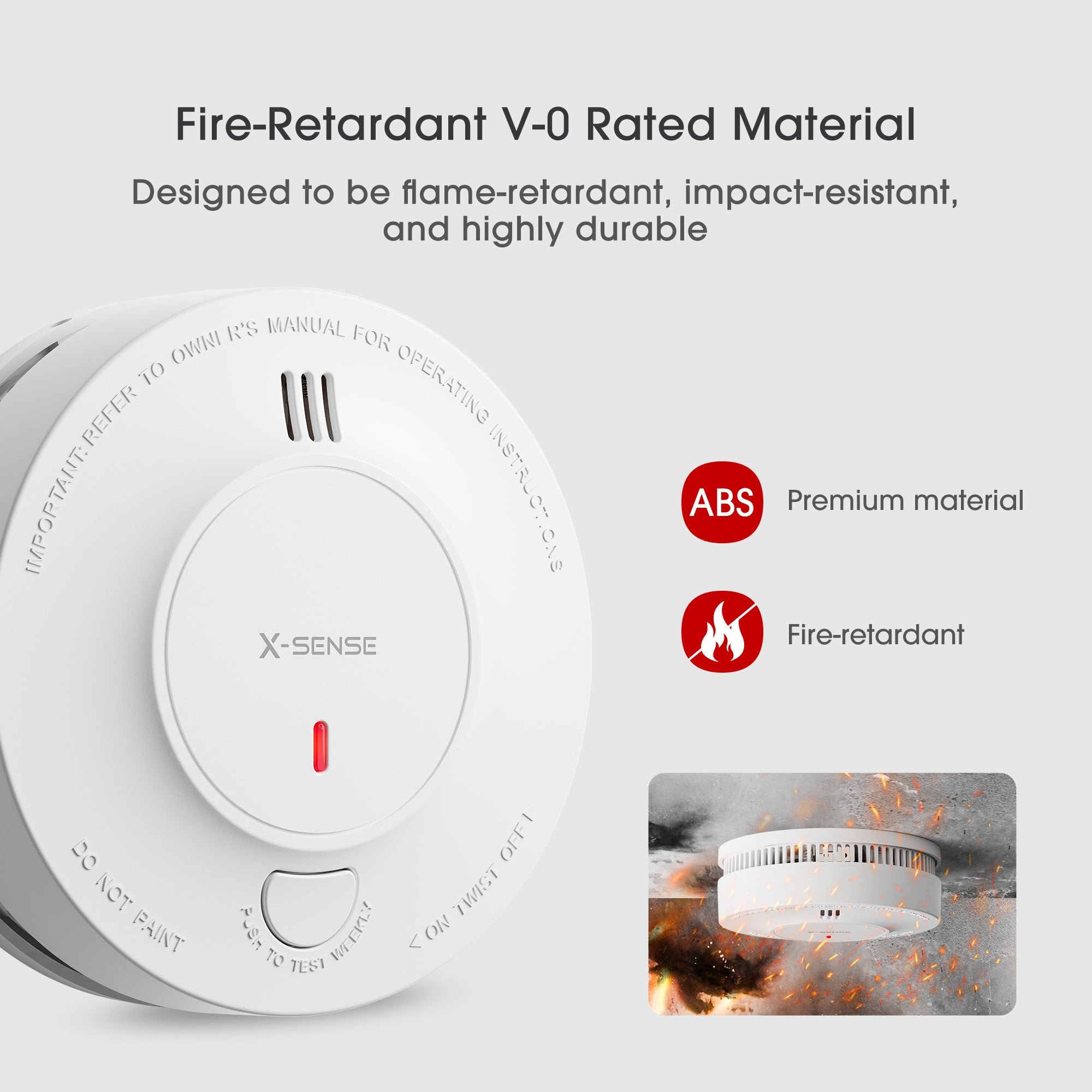
Test fire detectors once a month to ensure they work. Press the test button on the device. The alarm should sound loud and clear. If it does not, replace the batteries or the unit. Regular tests catch problems early.
Proper Installation Locations
Place detectors in key areas like bedrooms and hallways. Avoid kitchens or bathrooms where steam or smoke trigger false alarms. Mount detectors on ceilings or high on walls. Correct placement improves detection speed and accuracy.
Routine Cleaning Schedule
Dust and dirt block sensors and cause malfunctions. Clean detectors every six months with a soft brush or vacuum. Never use water or cleaners. Keeping sensors clear helps alarms respond quickly.
Avoiding False Alarms
False alarms waste time and can cause panic. Keep detectors away from cooking smoke and vents. Use fans or open windows to clear smoke after cooking. Proper care reduces unnecessary alerts.
Credit: www.x-sense.com
Frequently Asked Questions
Why Is My Fire Detector Blinking A Red Light?
A blinking red light on a fire detector usually means it is working properly. It flashes to show the sensor is active and monitoring for smoke.
What Does A Fast Blinking Red Light Indicate?
A fast blinking red light often signals low battery or a sensor error. Check the battery and replace it if needed to keep the detector working.
How Can I Stop The Red Light From Blinking?
To stop the red blinking light, try resetting the detector or replacing its battery. Follow the device manual for the correct reset steps.
Does A Blinking Red Light Mean The Detector Needs Replacement?
Not always. A blinking red light usually means maintenance is needed, not replacement. Replace only if the detector is old or faulty.
Can A Blinking Red Light Warn Of Fire Danger?
Yes, a blinking red light can warn of smoke or fire. Always take any blinking light seriously and check for signs of fire immediately.
Conclusion
A blinking red light on a fire detector signals an important alert. It may mean low battery or a technical issue. Regularly check your fire detector to keep it working well. Don’t ignore the blinking light; it protects your home and family.
Simple steps can fix most problems quickly. Stay safe by testing your detector every month. A working fire detector saves lives and prevents damage. Keep your home secure with proper fire detector care.