Are you thinking about the best lighting options for your home or workspace? Incandescent lamps have been around for over a century, lighting up countless rooms worldwide.
But are they still a good choice for you? Understanding the advantages and disadvantages of incandescent lamps can help you make smarter decisions about your lighting needs. You’ll discover what makes these lamps stand out and where they might fall short.
Keep reading to find out if incandescent lamps are the right fit for your space and lifestyle.

Credit: www.benweilight.com
Benefits Of Incandescent Lamps
Incandescent lamps offer several advantages that make them popular in many homes and businesses. They provide a cozy and natural light that many people enjoy. These lamps also come with a low upfront cost, making them easy to buy. Their simple design means they are easy to use and replace. Plus, they light up instantly, which adds to their convenience.
Warm Light Quality
Incandescent lamps produce a warm, soft light. This light is similar to natural sunlight. It creates a comfortable and inviting atmosphere. This makes them ideal for living rooms and bedrooms. The warm glow helps people relax and feel at home.
Low Initial Cost
One big benefit is the low price of incandescent lamps. They cost less than most other bulbs. This makes them affordable for many people. You can easily replace them without spending much money. This is helpful for those on a tight budget.
Simple Technology
Incandescent lamps use basic technology. They work by heating a metal filament to produce light. This simple design means fewer things can go wrong. They do not need special equipment to operate. This makes them reliable and easy to understand.
Instant Illumination
These lamps light up immediately after switching on. There is no waiting time or delay. This instant brightness is useful in many situations. It helps in places like kitchens and hallways. You get light exactly when you need it.
Drawbacks Of Incandescent Lamps
Incandescent lamps have been popular for many years but have clear drawbacks. These issues affect their efficiency, cost, and impact on the environment. Understanding these problems helps in choosing better lighting options.
High Energy Consumption
Incandescent lamps use a lot of electricity. Most energy turns into heat, not light. This makes them less efficient than other bulbs. High energy use raises electricity bills over time.
Short Lifespan
These lamps do not last very long. They usually burn out after about 1,000 hours. Frequent replacements increase costs and cause inconvenience. Short lifespan means more waste too.
Heat Emission
Incandescent bulbs get very hot during use. This heat can raise room temperature, especially in small spaces. Hot lamps can also cause burns if touched. Heat waste reduces overall energy efficiency.
Environmental Impact
Higher energy use means more pollution from power plants. Frequent bulb replacements create more waste in landfills. The materials used are not always easy to recycle. This adds to environmental problems worldwide.
Comparisons With Other Lighting Options
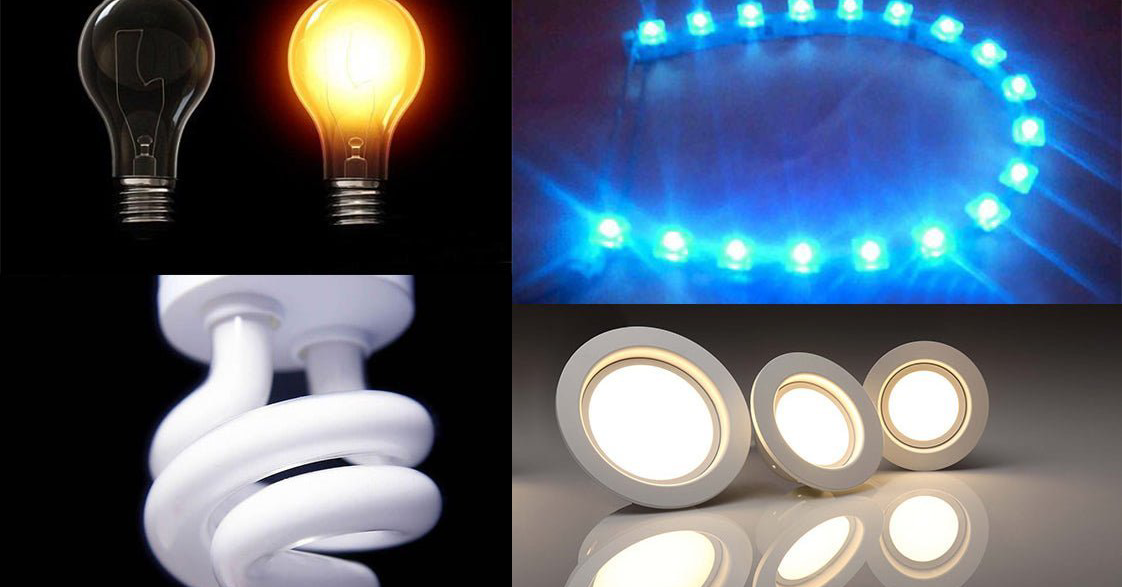
Incandescent lamps have been a common lighting choice for many years. Comparing them to newer options helps understand their place today. Each type of light has pros and cons. This section explores how incandescent lamps stack up against LEDs and CFLs. It also looks at cost efficiency over time.
Incandescent Vs Led
LED lights use less energy than incandescent lamps. They last much longer, reducing the need for frequent replacements. LEDs produce less heat, making them safer to touch. Incandescent bulbs give a warm light that some people prefer. LEDs come in many colors and brightness levels. LED lights cost more upfront but save money in the long run.
Incandescent Vs Cfl
CFL bulbs use less electricity than incandescent lamps. They last longer, but not as long as LEDs. CFLs take time to reach full brightness. Incandescent bulbs light up instantly. CFLs contain a small amount of mercury, needing careful disposal. Incandescent lamps have no toxic materials inside. CFLs are more efficient but less popular now than LEDs.
Cost Efficiency Over Time
Incandescent bulbs cost less to buy at first. They use more electricity, increasing energy bills. Their short lifespan means buying replacements often. LED and CFL bulbs cost more initially. They save money by using less power. Fewer replacements lower overall costs. Over time, LEDs offer the best savings. Incandescent lamps may cost more in the long term.

Credit: jclgl-led.com
Applications Where Incandescent Lamps Excel
Incandescent lamps have unique strengths that suit specific uses well. They produce warm, natural light that many find pleasant. Their simple design makes them reliable in certain settings. These lamps perform best in areas where color quality and light control matter most.
Decorative Lighting
Incandescent lamps shine in decorative lighting. Their warm glow creates a cozy atmosphere. They highlight colors and textures beautifully. These lamps add charm to homes, restaurants, and events. Their soft light enhances vintage and classic styles.
Dimming Compatibility
Incandescent bulbs work perfectly with dimmer switches. They adjust light smoothly without flickering. This feature helps set moods easily. Brightness can change from bright to soft with ease. Many people choose these lamps for flexible lighting needs.
Specialty Uses
Incandescent lamps serve many specialty purposes. They work well in appliances like ovens and refrigerators. Their heat helps in certain industrial tasks. Photographic and scientific equipment also uses them. Their ability to produce heat and light is valuable.
Future Of Incandescent Lighting
The future of incandescent lighting is uncertain but still notable. These lamps have served homes and businesses for over a century. Their warm glow remains popular for certain uses despite new lighting options. Understanding future trends helps us see where incandescent lighting stands today and tomorrow.
Regulatory Changes
Governments worldwide aim to reduce energy use. Many have introduced rules to limit incandescent lamp sales. These rules encourage energy-efficient lighting alternatives. Some countries have banned most incandescent bulbs. Exceptions exist for specialty uses. The regulations push manufacturers to innovate or phase out old models.
Technological Advances
New technologies improve lighting efficiency. LED and CFL bulbs use less power and last longer. Incandescent lamps are also evolving with better designs. Halogen incandescent lamps offer slightly better energy use. Research continues on materials that can increase lifespan. These advances may keep incandescent lamps relevant in niche markets.
Market Trends
Consumers prefer bulbs with lower electricity bills. LED sales are growing rapidly worldwide. Incandescent lamps still attract buyers for decorative or mood lighting. Specialty stores stock unique incandescent bulbs for vintage appeal. Market demand shifts toward sustainability and cost savings. This trend reduces general use but supports niche markets.
Credit: jclgl-led.com
Frequently Asked Questions
What Are The Main Advantages Of Incandescent Lamps?
Incandescent lamps provide warm, natural light that is easy on the eyes. They turn on instantly and work well with dimmers. These lamps are also inexpensive to buy.
Why Do Incandescent Lamps Consume More Energy?
Incandescent lamps use a lot of electricity because most energy turns into heat, not light. This makes them less efficient than LED or fluorescent bulbs. They waste energy, leading to higher electricity bills.
How Long Do Incandescent Lamps Typically Last?
These lamps usually last around 1,000 hours, which is shorter than other types. Frequent replacement is needed compared to LEDs or CFLs. Their shorter life means more maintenance and cost over time.
Are Incandescent Lamps Safe To Use At Home?
They are generally safe but can get very hot during use. This heat might cause burns or fire risks if near flammable materials. Proper care and placement reduce safety concerns.
Why Are Incandescent Lamps Being Replaced By Other Bulbs?
Newer bulbs like LEDs save energy and last much longer than incandescent lamps. They produce less heat and lower electricity costs. Many countries now limit incandescent lamp use due to inefficiency.
Conclusion
Incandescent lamps have clear pros and cons to consider. They offer warm, natural light but use more energy. These bulbs work well in many settings but last a shorter time. Choosing the right lamp depends on your needs and budget.
Think about energy costs and light quality before deciding. Weighing these points helps you pick the best lighting option. Simple and familiar, incandescent lamps still hold a place today.