
Have you ever wondered why a simple touch on your lamp can light up a whole room? It feels almost like magic, right?
But behind this everyday convenience lies a clever design that makes your life easier. Understanding how a touch lamp works can help you appreciate the technology you use every day—and maybe even help you choose the right one for your home.
Keep reading, and you’ll discover the surprising science that turns your gentle touch into a bright glow.
Credit: www.ourpcb.com
Touch Lamp Basics
Touch lamps have changed how people control light in homes. They work without switches or buttons. A simple touch can turn the lamp on or off. This ease of use makes touch lamps popular in many rooms.
Understanding the basics helps to see why they are so handy. Touch lamps use special technology that reacts to your skin. This section explains what these lamps are and their common features.
What Is A Touch Lamp?
A touch lamp is a light that turns on or off by touch. It uses the body’s natural electricity to work. When you touch the lamp, it senses your finger. This signal tells the lamp to change the light state.
The lamp has built-in sensors inside its base or body. These sensors detect the small electrical charge your skin sends. The lamp then switches the bulb on or off based on this signal.
Common Features
Most touch lamps have adjustable brightness levels. You can tap the lamp several times to find the right light. This makes them useful for reading or soft lighting.
They often have a metal base or body. This metal helps conduct the electrical signal when you touch the lamp. Some models also have a timer or color-changing bulbs.
Touch lamps usually use LED or standard bulbs. They provide bright light while saving energy. The simple design and easy use make touch lamps great for many people.
Core Technology
The core technology inside a touch lamp makes it easy to turn on and off. It uses smart sensing and simple electrical parts. These parts work together to detect your touch and control the light. Understanding these basics helps explain how your touch lamp knows when to shine.
Capacitive Sensing
Capacitive sensing is the key to detecting your touch. The lamp has a sensor that senses changes in electrical charge. Your body acts like a conductor. When you touch the lamp, it changes the sensor’s electric field. This change tells the lamp to switch the light on or off. No pressure needed, just a simple touch.
Electrical Circuit Components
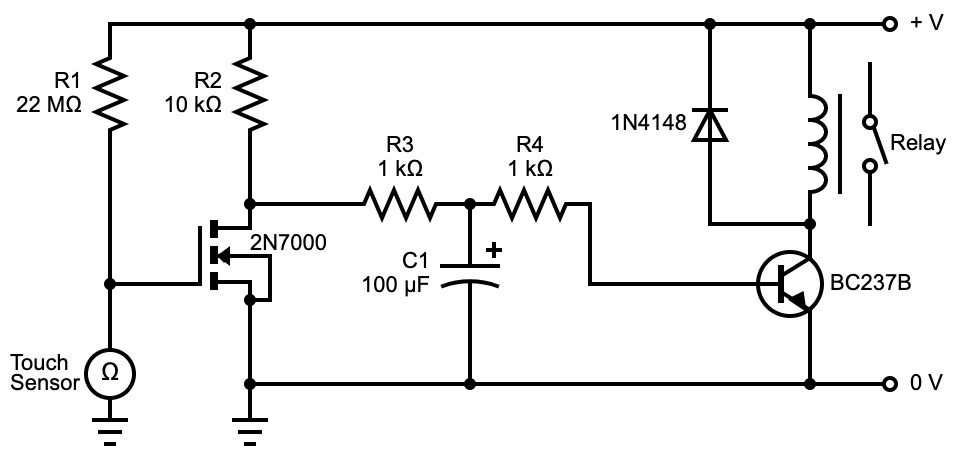
The lamp contains small electronic parts that control power flow. A microcontroller processes signals from the sensor. It decides if the lamp should light up. Transistors act like switches to turn the light on or off. Resistors and capacitors keep the circuit stable. Together, these parts create a reliable touch response.
How Touch Activation Works
Touch lamps turn on or off with a simple touch. They sense your body’s electrical signals. This technology uses your body as part of an electric circuit.
When you touch the lamp, it reacts instantly. The lamp’s sensor detects changes in electric current. This triggers the lamp to switch states.
Human Body As A Conductor
Your body conducts a small electrical charge. This charge flows naturally through your skin. The lamp uses this property to detect touch.
Touch lamps contain sensors that monitor electrical signals. When you touch the lamp, your body completes the circuit. This change is key to activation.
Signal Detection Process
The lamp’s sensor measures changes in electrical current. It notices when the current increases or decreases. This signals the lamp to turn on or off.
Inside, a chip processes this electrical data. It decides to activate the lamp or keep it off. This happens very fast, almost instantly.
Types Of Touch Lamps
Touch lamps come in different types to suit various needs and preferences. Each type offers a unique way to control light with a simple touch. Understanding these types helps you choose the best lamp for your space.
Single Touch Lamps
Single touch lamps turn on and off with one touch. You just tap the base or metal part once. The lamp lights up immediately. Another tap turns the lamp off. This type is simple and easy to use. It works well for people who want quick control.
Multi-level Touch Lamps
Multi-level touch lamps offer several brightness settings. Each touch changes the light level. For example, low, medium, and high. Tap repeatedly to cycle through the levels. This type gives more control over room lighting. It is great for reading or creating mood light.
Advantages Over Traditional Lamps
Touch lamps offer several benefits compared to traditional lamps. They use modern technology to improve user experience. These lamps provide ease and efficiency in daily lighting needs. Understanding their advantages helps to see why they suit many homes and offices.
Convenience And Accessibility
Touch lamps switch on or off with a simple tap. No need to find a small switch in the dark. This feature helps people with limited hand strength or mobility. It allows quick light control from different parts of the lamp. Users can adjust lighting without fumbling for buttons.
They also offer smooth dimming options. A gentle touch changes brightness levels easily. This makes setting the right mood simple. It avoids the need for separate dimmer switches or bulbs.
Energy Efficiency
Many touch lamps use LED bulbs. These bulbs consume less power than traditional incandescent bulbs. They last longer and produce less heat. This reduces electricity bills and the need for frequent bulb replacement.
Some touch lamps include automatic shut-off features. They turn off after some time if left on accidentally. This helps save energy and extends bulb life. Overall, touch lamps support eco-friendly lighting habits.

Credit: en.wikipedia.org
Common Issues And Troubleshooting
Touch lamps are easy to use but can face some common problems. Knowing these issues helps keep your lamp working well. Troubleshooting can fix many problems quickly without extra costs.
Sensitivity Problems
Sensitivity issues happen when the lamp does not respond well to touch. It may turn on or off too easily or not at all. Dirt or oil on the lamp surface can block the sensor. Clean the lamp with a soft cloth regularly.
Sometimes the sensitivity setting needs adjustment. Some lamps have a switch or button to change this. Check your lamp’s manual for instructions. If the lamp is too sensitive, it may react to nearby movements. Lowering the sensitivity can help.
Electrical Interference
Electrical interference can cause the lamp to act strangely. Other devices or wiring near the lamp may disturb its sensor. Keep the lamp away from strong electrical devices like routers or microwaves.
Check your lamp’s power source for loose connections. Use a different outlet to see if the problem stops. Interference may also come from damaged wiring inside the lamp. If you suspect this, consult a professional for repair.
Future Trends
The future of touch lamps is bright. New trends focus on making lamps smarter and more responsive. Technology will improve how we use and control touch lamps daily.
Smart Home Integration
Touch lamps will connect easily with smart home systems. This allows control through phones or voice commands. Users can set schedules or adjust brightness remotely. Integration helps create a seamless home experience. Lamps will work with other smart devices for convenience.
Advanced Sensor Technologies
New sensors will make touch lamps more sensitive and accurate. They will detect different types of touch and pressure. Some lamps may respond to gestures or proximity. Sensors will also save energy by turning off automatically. This technology will enhance user comfort and efficiency.

Credit: www.amazon.com
Frequently Asked Questions
How Does A Touch Lamp Sense Your Touch?
A touch lamp uses a sensor that detects changes in electrical charge. When you touch it, the sensor sends a signal to turn the lamp on or off. This works through the natural conductivity of your skin.
What Type Of Bulbs Work In A Touch Lamp?
Most touch lamps work well with incandescent or LED bulbs. The bulb type should match the lamp’s wattage limit. Using the right bulb helps the lamp function properly.
Can A Touch Lamp Have Multiple Brightness Levels?
Yes, many touch lamps offer several brightness settings. You can tap the lamp repeatedly to cycle through dim, medium, and bright lights. This allows you to adjust light easily.
Why Does My Touch Lamp Sometimes Not Respond?
A touch lamp may not respond due to loose wiring or bulb issues. It can also fail if the sensor is dirty or the lamp is unplugged. Checking these can fix common problems.
Are Touch Lamps Safe To Use Around Children?
Touch lamps are generally safe for children with normal use. They do not have exposed wiring and use low voltage sensors. Still, it’s best to place them where kids can’t easily knock them over.
Conclusion
Touch lamps work by sensing your touch to turn on or off. They use a simple electrical circuit inside. When you touch the lamp, it changes the circuit’s state. This makes the light glow or go dark. These lamps offer easy control without switches.
They add convenience to any room. Understanding how they work helps you choose the right lamp. Now, you can enjoy lighting that responds to your touch. Simple, smart, and useful.