Are you tired of your gas fireplace not giving you enough warmth during those chilly nights? You’re not alone.
Many people feel their fireplace could do more to heat up their space effectively. But what if you could easily boost the heat output and make your room cozy in no time? You’ll discover simple, practical tips that anyone can use to get more heat from a gas fireplace.
Keep reading, and you’ll learn how to turn your fireplace into a powerful source of warmth without spending a fortune.
Maximize Airflow
Maximizing airflow is key to getting more heat from your gas fireplace. Proper air circulation helps the fire burn stronger and spreads warmth throughout the room. Good airflow makes your fireplace more efficient and your space more comfortable.
Clean And Inspect Vents
Dirty vents block air and reduce heat output. Check vents for dust and debris often. Use a vacuum or brush to clean them gently. Make sure vents are not blocked by furniture or curtains. Clear vents allow air to flow freely and heat to spread better.
Use Blower Fans
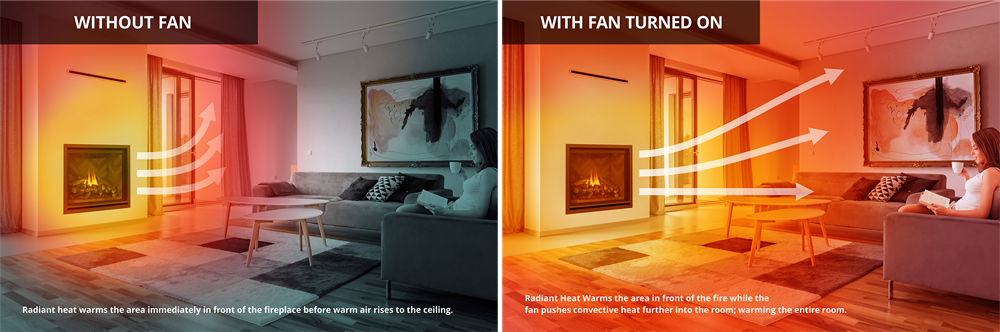
Blower fans push warm air from your fireplace into the room. They help move heat faster and further. Turn on the blower fan during use for better warmth. Choose fans designed for your fireplace model for best results. Fans also keep air moving, preventing cold spots.
Adjust Air Controls
Air controls regulate how much air enters the fireplace. Opening the air control increases airflow and makes flames hotter. Close the control a little if the fire burns too fast or smoky. Adjust air controls slowly to find the right balance. Proper settings improve heat and reduce gas use.
Optimize Fuel Efficiency
Optimizing fuel efficiency helps you get the most heat from your gas fireplace. It saves money and reduces waste. Small changes can make a big difference in how warm your room feels.
Choose High-quality Gas
High-quality gas burns cleaner and hotter. It produces more heat with less fuel. Check the gas supply and select a trusted provider. Good gas improves fireplace performance and saves energy.
Maintain Proper Flame Height
The flame height affects heat output and fuel use. Flames that are too low waste gas without enough heat. Flames that are too high lose heat up the chimney. Adjust the flame to a steady blue tip for best results.
Seal Leaks And Drafts
Leaks and drafts let warm air escape and cold air enter. This makes your fireplace work harder to heat the room. Use weatherstripping or caulking around doors and windows. Check the chimney for gaps and seal them tightly.
Upgrade Fireplace Components
Upgrading your gas fireplace components can improve heat output significantly. Small changes to parts can make a big difference in warmth. Focus on practical upgrades that boost efficiency and comfort.
Install A Fireplace Insert
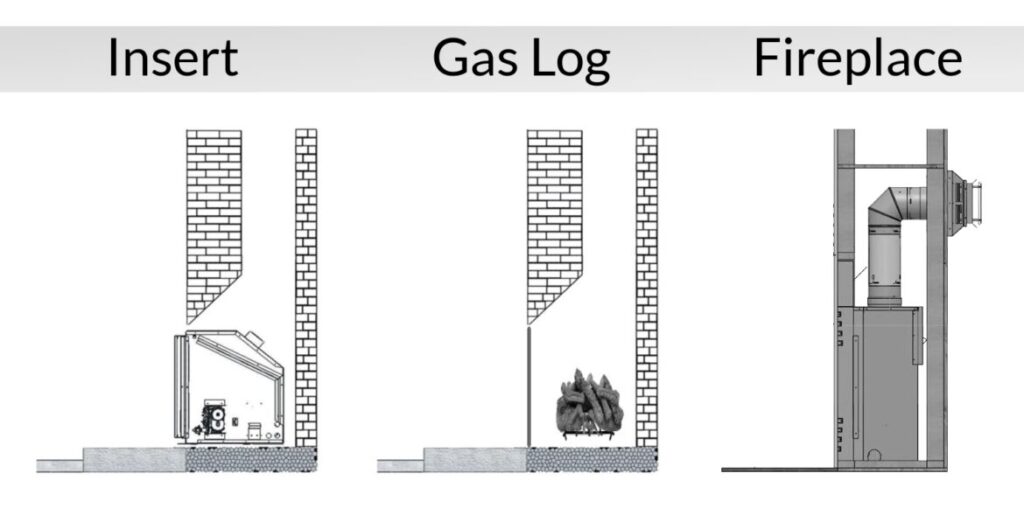
A fireplace insert fits inside your existing fireplace. It acts like a heater, trapping and circulating heat better. Inserts burn gas more efficiently, producing more warmth with less fuel. This upgrade helps spread heat into the room instead of losing it up the chimney.
Add Reflective Panels
Reflective panels inside the fireplace push heat outward. They reflect the heat back into the room instead of absorbing it. These panels are easy to add and cost-effective. They improve the overall warmth without changing your fireplace’s look.
Use Heat-resistant Glass Doors
Glass doors keep warm air inside the fireplace. Heat-resistant glass doors block drafts and stop heat from escaping. They allow you to see the fire while keeping the room warmer. Installing these doors helps maintain a steady, comfortable temperature.
Credit: www.regency-fire.com
Regular Maintenance Tips
Regular maintenance keeps your gas fireplace running smoothly and efficiently. It helps the fireplace produce more heat and saves energy. Small tasks done regularly prevent big problems later. Follow these simple maintenance tips to get the best warmth from your fireplace.
Schedule Annual Inspections
Have a professional check your fireplace once a year. They inspect all parts to ensure safety and efficiency. Annual inspections catch issues early before they become costly. This keeps your fireplace working well and heating your home properly.
Clean Burner And Pilot Light
Dirt and dust can block the burner and pilot light. Clean these parts regularly to improve flame quality and heat output. Use a soft brush or vacuum to remove debris gently. A clean burner burns gas better, giving you more warmth.
Check Gas Lines And Connections
Gas leaks reduce heat and are dangerous. Check gas lines and connections for cracks or loose fittings. Tighten any loose parts and replace damaged lines immediately. Safe and secure gas flow means your fireplace works at full power.
Enhance Heat Distribution
Enhancing heat distribution helps your gas fireplace warm the whole room. Warm air naturally rises and stays near the ceiling. This leaves the lower part of the room cold. Changing how heat spreads makes the space feel cozy faster and for longer.
Use Ceiling Fans To Circulate Warm Air
Ceiling fans can push warm air down from the ceiling. Set the fan to run slowly in reverse mode. This moves hot air toward the floor. It spreads heat evenly across the room. You use less energy and feel more warmth.
Position Furniture Strategically
Arrange furniture to let heat flow freely. Avoid blocking the fireplace with large pieces. Keep chairs and sofas near but not too close. This helps heat reach where people sit. Clear paths let warm air travel easily through the room.
Supplement With Portable Heaters
Portable heaters add extra warmth to cold spots. Place them in areas far from the fireplace. Choose small, energy-efficient models. Use them only when needed to save energy. They help balance the heat in bigger rooms.

Credit: www.youtube.com
Credit: fireplaceexperts.com
Frequently Asked Questions
How Can I Increase Heat Output From My Gas Fireplace?
Adjust the thermostat higher and open the damper fully to let more heat into the room.
Does Cleaning The Glass Improve Fireplace Heat?
Yes, clean glass allows better heat radiation and a clearer flame view.
Should I Use A Fireplace Blower Or Fan?
A blower helps spread warm air faster, warming the room more evenly.
How Does Fireplace Placement Affect Heating?
Placing the fireplace in a central room spreads heat more effectively throughout the house.
Can Sealing Leaks Boost Gas Fireplace Warmth?
Sealing drafts around doors and windows keeps warm air inside and cold air out.
Does Using A Fireplace Insert Increase Heat Efficiency?
Yes, inserts improve heat output by containing and directing the flame better.
How Often Should I Service My Gas Fireplace?
Service it annually to keep parts clean and working efficiently for better heat.
Will A Thermostat Help Control My Fireplace Heat?
A thermostat maintains steady room temperature, preventing heat loss and saving gas.
Can Burning Logs Increase Gas Fireplace Heat?
No, gas fireplaces use gas only; logs won’t add heat and may be unsafe.
Does Adjusting The Pilot Light Size Affect Warmth?
A properly set pilot light ensures efficient burning and optimal heat output.
Conclusion
Getting more heat from your gas fireplace is easier than you think. Small changes make a big difference. Clean the glass and vents regularly. Use a fireplace blower to spread warmth faster. Adjust the flame height for better heat output.
Close doors and windows to keep heat inside. These simple steps help your home feel cozy and warm all winter. Enjoy the comfort without extra cost or effort. Keep your fireplace working well, and stay warm.