
Is your torpedo heater acting up just when you need it most? You’re not alone.
When your heater stops working properly, it can be frustrating and leave you feeling cold and stuck. But don’t worry—this Torpedo Heater Troubleshooting Guide is here to help you fix the problem quickly. By understanding common issues and simple solutions, you’ll save time, money, and stress.
Keep reading to learn how to get your heater back to warming your space efficiently and safely.
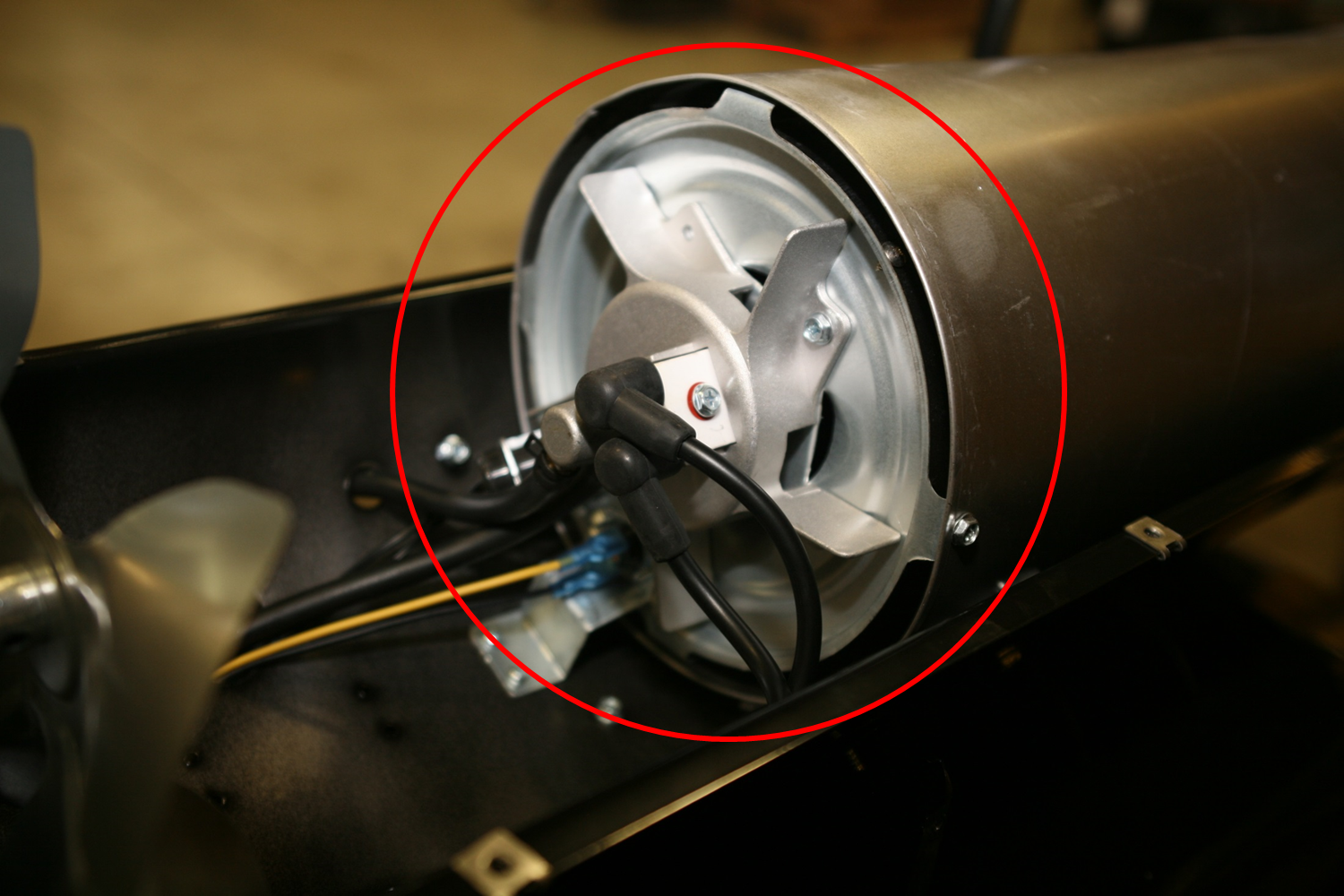
Credit: www.mitm.com
Common Torpedo Heater Issues
Torpedo heaters are reliable tools for quick heating. Yet, problems can occur. Knowing common issues helps fix them fast. This guide covers four frequent problems and their signs. Understanding these issues keeps your heater working well.
Early detection avoids bigger repairs. Pay attention to how your heater behaves. Small changes often signal a problem. This section explains common faults and what they mean.
Won’t Ignite
A heater that won’t start is frustrating. Check the fuel supply first. Empty tanks or blocked lines cause no ignition. The spark plug can also fail. Dirt or damage stops sparks. Clean or replace the spark plug if needed. Also, inspect the ignition switch for faults.
Weak Heat Output
Weak heat means the heater runs but feels cold. Dirty filters block airflow and reduce warmth. Fuel quality matters; poor fuel lowers heat. The burner may need cleaning. Remove soot and debris for better flame. Check fan operation to ensure proper air circulation.
Unusual Noises
Strange sounds warn of trouble inside the heater. Rattling could mean loose parts. Tighten screws and check panels. A high-pitched whistle may show air leaks. Inspect seals and hoses. Grinding noises often come from the fan motor. Lubricate or replace the motor if noisy.
Fuel Leakage
Fuel leaks are dangerous and need quick action. Look for wet spots or strong fuel smell. Leaks often come from damaged hoses or loose fittings. Tighten connections and replace cracked hoses. Never use the heater until the leak stops. Keep a fire extinguisher nearby for safety.
Basic Safety Precautions
Using a torpedo heater needs care and attention to safety. This guide covers the basic safety steps. Follow these rules to avoid accidents and keep your space safe. Safety is not just a choice but a must.
Proper Ventilation
Torpedo heaters produce fumes that must leave the room. Keep windows or doors open to let fresh air in. Never use these heaters in small, closed spaces. Good airflow stops dangerous gases from building up. Check ventilation often during use.
Handling Fuel Safely
Use only the correct fuel for your heater. Store fuel in a cool, dry place away from heat. Fill the heater outdoors or in well-ventilated areas. Avoid spills and clean any that happen immediately. Keep fuel containers tightly closed and out of children’s reach.
Avoiding Fire Hazards
Keep the heater away from flammable materials like curtains and paper. Place the heater on a stable, flat surface to prevent tipping. Never leave the heater unattended while running. Make sure the heater is off and cool before moving or storing it. Have a fire extinguisher nearby for emergencies.
Step-by-step Troubleshooting
Troubleshooting a torpedo heater can seem tough at first. Step-by-step checks make the process simple and clear. This guide walks you through key areas to inspect. Follow each step carefully to find the problem fast. Fixing the heater yourself saves time and money.
Checking Power Supply
Start by making sure the heater has power. Check the plug is fully in the socket. Confirm the outlet works by testing another device. Look for any blown fuses or tripped breakers. Power problems are a common cause of failure.
Inspecting Fuel Lines
Next, examine the fuel lines for blockages or leaks. Look for cracks, holes, or loose fittings. Clean any dirt or debris around the lines. Fuel flow must be steady and clear for the heater to work. Replace damaged lines immediately.
Cleaning The Nozzle
The nozzle can get clogged with soot and dirt. Turn off and unplug the heater first. Remove the nozzle and clean it gently with a soft brush. Avoid using sharp tools that may damage it. A clean nozzle helps the heater burn fuel efficiently.
Testing The Igniter
The igniter lights the fuel inside the heater. Check if it sparks or glows when turned on. If it does not, it may need cleaning or replacement. Use a multimeter to test for electrical continuity. A faulty igniter stops the heater from starting.
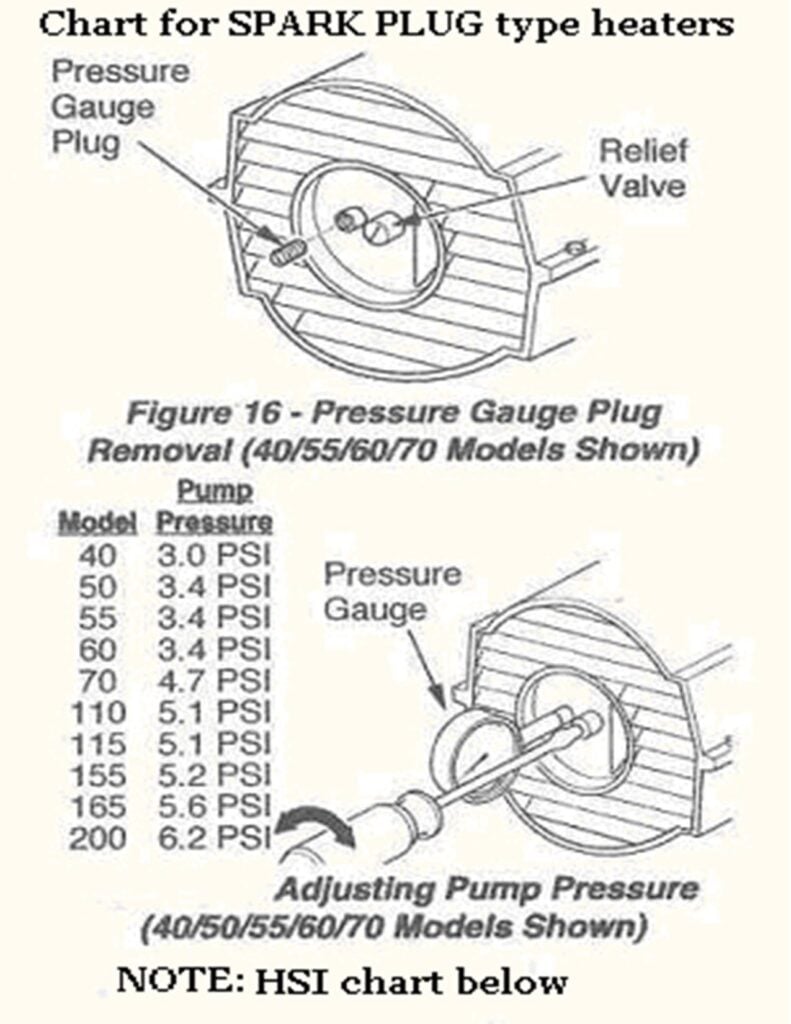
Credit: lovetoframe.com
Maintenance Tips For Longevity
Proper maintenance keeps your torpedo heater running longer and safer. Small efforts prevent big problems and costly repairs. Follow these simple tips to extend your heater’s life and maintain strong performance.
Regular Cleaning
Dust and debris reduce heater efficiency and cause damage. Clean the heater’s exterior and vents weekly. Use a soft brush or cloth to remove dirt. Check the fuel tank and clean any residues. Regular cleaning stops blockages and overheating.
Replacing Worn Parts
Parts wear out with use and affect heater safety. Inspect components like filters, nozzles, and ignition systems often. Replace worn or damaged parts immediately. Use manufacturer-approved parts for best results. Proper replacements keep your heater reliable and safe.
Seasonal Storage Advice
Store your heater properly during off-seasons to avoid damage. Drain fuel to prevent clogging and corrosion. Clean the heater thoroughly before storage. Cover it with a cloth to keep dust away. Store in a dry, cool place to protect its parts.
When To Call A Professional
Knowing when to call a professional for torpedo heater issues is important. Some problems need expert attention to avoid damage or injury. Small fixes you can try yourself. Complex or risky problems require a technician’s skills. Here is a guide to help you decide.
Complex Repairs
Some repairs are too hard for beginners. If parts inside the heater break or wear out, do not try to fix them alone. Complex repairs need special tools and knowledge. Wrong handling can cause more damage or safety risks. Call a professional for safe and proper repair.
Electrical Issues
Electrical problems can be dangerous. Sparks, shorts, or power failures mean you should stop using the heater. Handling electrical parts without training can cause shocks or fires. Professionals know how to check wiring and fix electrical faults safely. Always get help with electrical issues.
Persistent Fuel Problems
If the heater keeps having fuel issues, it may need expert care. Problems like clogged fuel lines or bad fuel pumps can be tricky. Trying to fix these without knowledge can waste time and fuel. A technician can clean, replace, or adjust parts to make the heater work well again.
Expert Tips For Efficient Use
Using a torpedo heater well means more warmth and less hassle. Small changes in how you use it can save fuel and keep it working longer. Follow these expert tips for better heat and smarter use.
Optimizing Heat Distribution
Place the heater where air moves freely. Avoid blocking vents or fans. Use fans to spread warm air evenly. Keep doors and windows closed to hold heat inside. Check for cold spots and adjust the heater’s direction. This helps warm the whole room faster.
Fuel Efficiency Tricks
Use the correct fuel type recommended by the maker. Fill the tank only as needed to avoid waste. Turn off the heater in unoccupied spaces. Lower the heat setting slightly to save fuel. Regularly clean the fuel filter to keep flow smooth. These steps reduce fuel use without losing warmth.
Extending Heater Lifespan
Clean the heater after every use. Remove dust and dirt from vents and fans. Inspect hoses and connections for leaks or cracks. Store the heater in a dry place to avoid rust. Schedule regular checks for parts wear and damage. Proper care keeps your heater running well for years.

Credit: www.youtube.com
Frequently Asked Questions
What Causes A Torpedo Heater Not To Start?
A common cause is lack of fuel or a clogged fuel filter blocking flow.
How To Fix A Torpedo Heater That Shuts Off Suddenly?
Check for overheating or blocked airflow; clean vents and ensure proper ventilation.
Why Is My Torpedo Heater Producing No Heat?
This may happen due to dirty burners or low fuel levels needing cleaning or refilling.
How To Troubleshoot A Torpedo Heater With A Strong Fuel Smell?
Fuel leaks or poor ventilation often cause this; inspect hoses and improve airflow.
What To Do If The Torpedo Heater’s Fan Isn’t Working?
Check the power source and fan motor; clean dust and debris blocking movement.
How To Clean A Torpedo Heater For Better Performance?
Remove dust from vents and clean the fuel system regularly to maintain efficiency.
Why Does My Torpedo Heater Keep Cycling On And Off?
Thermostat issues or dirty sensors usually cause frequent cycling; check and clean sensors.
How To Prevent Torpedo Heater Overheating Problems?
Ensure clear airflow, clean filters, and avoid blocking vents to keep it cool.
Can Low Battery Power Affect An Electric Torpedo Heater?
Yes, low or dead batteries can stop the ignition system from working properly.
How Often Should I Service My Torpedo Heater?
Regular servicing every season helps prevent issues and keeps the heater running safely.
Conclusion
Torpedo heater problems can be fixed with simple steps. Check fuel, power, and air flow first. Clean the heater regularly to keep it working well. Always follow safety rules to avoid accidents. Small troubles do not need expert help. Save time and money by fixing issues early.
Keep this guide handy for quick reference. Stay warm and safe during cold days.