
Is your Richmond gas water heater acting up when you need it most? You rely on it every day for warm showers and clean dishes, so a sudden problem can throw off your entire routine.
Don’t let frustration take over—understanding common issues and how to fix them can save you time and money. In this guide, you’ll discover simple steps to troubleshoot your Richmond gas water heater, helping you get it back to working smoothly fast.
Keep reading to take control and avoid costly repairs!
Common Richmond Water Heater Issues
Richmond water heaters often face issues that affect home comfort. Knowing common problems helps with quick fixes and prevents bigger damage.
Below are frequent issues Richmond residents report about their water heaters.
No Hot Water
No hot water is a top complaint. This can happen due to a broken heating element or a tripped circuit breaker. Sometimes, the thermostat is set too low or the pilot light is out. Check these parts first to restore hot water fast.
Inconsistent Water Temperature
Water temperature that changes suddenly causes discomfort. This issue may come from a faulty thermostat or sediment buildup in the tank. Sediment reduces heating efficiency. Cleaning or replacing parts often solves the problem.
Water Heater Leaking
Leaks around the water heater damage floors and walls. Leaks may come from loose connections, a broken valve, or a cracked tank. Tighten fittings or replace damaged parts quickly to stop leaks and avoid costly repairs.
Strange Noises
Unusual sounds like popping or banging are common. These noises usually come from sediment buildup at the tank bottom. Sediment traps heat, causing the tank to overheat and make noise. Flushing the tank clears sediment and stops noises.
Pilot Light Problems
The pilot light keeps the water heater running. If it goes out often, the thermocouple might be faulty or dirty. Gas supply issues also cause pilot light problems. Cleaning or replacing parts can restore proper function.
Basic Troubleshooting Steps
Troubleshooting your Richmond gas water heater can solve many common issues. Start with simple steps to save time and avoid costs. Basic checks often fix problems without needing a technician. Follow these easy steps to find the issue.
Checking The Power Supply
Ensure the water heater is connected to power. Check the circuit breaker or fuse box for any tripped switches. Confirm the power switch on the heater is turned on. No power means the heater cannot operate.
Inspecting The Pilot Light
Look at the pilot light to see if it is lit. A pilot light out stops the heater from heating water. If off, follow the manual’s steps to relight it safely. A steady flame is necessary for proper function.
Resetting The Water Heater
Locate the reset button on the heater. Press it to restart the system. This can clear minor faults causing the heater to stop. Wait a few minutes after pressing for the heater to respond.
Examining The Thermostat
Check the thermostat setting on the heater. It should be set to a warm but safe temperature. Too low means cold water; too high wastes energy. Adjust the thermostat and watch for changes in water temperature.
Quick Fixes For Frequent Problems
Gas water heaters in Richmond often face common problems. Many issues have simple solutions. Quick fixes save time and money. These simple steps help keep your heater running well. Understanding easy repairs makes home maintenance easier. Here are some common fixes you can try.
Relighting The Pilot
The pilot light may go out sometimes. This stops the heater from working. Find the pilot light knob on the heater. Turn it to “off” and wait five minutes. Then, turn it to “pilot” and press down. Use a lighter or match to light the pilot. Hold the knob for a minute after lighting. Release it slowly and check if the light stays on.
Flushing The Tank
Mineral build-up can cause low water heat. Flushing the tank removes this build-up. Turn off the gas and water supply. Connect a hose to the drain valve. Open the valve and drain the water outside. Close the valve and refill the tank. Turn the gas back on. Flushing helps the heater work better and last longer.
Replacing The Thermocouple
The thermocouple tells the gas valve to stay open. A broken thermocouple stops gas flow and heat. Turn off the gas and remove the heater cover. Unscrew the old thermocouple near the pilot light. Replace it with a new one and tighten the screws. Turn the gas on and relight the pilot. The heater should now work properly.
Fixing Minor Leaks
Leaks waste water and can damage floors. Check pipes and valves for small leaks. Tighten loose connections with a wrench. Use plumber’s tape on threaded joints to stop leaks. Replace old or cracked pipes if needed. For small tank leaks, drain the tank and patch with epoxy putty. Watch leaks closely to avoid bigger problems.

Credit: kaz-metiz.com
Maintenance Tips To Prevent Issues
Proper maintenance helps keep your Richmond gas water heater running smoothly. Regular care stops many common problems. It also extends the heater’s life. Follow these simple tips to avoid costly repairs and breakdowns.
Regular Flushing
Flush the tank every six months. This removes sediment buildup inside the heater. Sediment can cause noise and reduce heating efficiency. Use the drain valve to empty the tank. Then refill it with fresh water. This process keeps your heater clean and working well.
Checking The Anode Rod
The anode rod protects your tank from rust. Check it once a year. Look for heavy corrosion or wear. Replace the rod if it is nearly gone. A good anode rod prevents leaks and extends tank life.
Insulating The Heater
Wrap the heater with an insulation blanket. It reduces heat loss and saves energy. Use insulation made for water heaters. Avoid covering the top, bottom, or controls. Proper insulation helps your heater work better and lowers utility bills.
Scheduling Professional Inspections
Hire a technician to inspect your heater yearly. They check gas lines, vents, and safety features. Professionals catch small problems early. They also clean parts that need special care. Regular inspections keep your water heater safe and efficient.
When To Call A Professional
Knowing when to call a professional for Richmond gas water heater troubleshooting saves time and money. Some issues need expert help to avoid bigger problems. Safety matters most with gas appliances. Do not take risks with repairs beyond your skill.
Small fixes you can try yourself. But certain signs mean it is time to get a pro. These signs include leaks, electrical troubles, complex repairs, and warranty rules. Watch for these carefully.
Persistent Leaks
Leaks that do not stop after tightening or minor repairs need professional attention. Water damage can ruin floors and walls fast. A pro can find the leak source and fix it correctly. Avoid using the heater if it leaks continuously.
Electrical Issues
Gas water heaters often have electrical parts like igniters or thermostats. Flickering lights or no power can mean electrical problems. These issues can cause safety hazards or appliance failure. Only trained technicians should handle electrical repairs.
Complex Repairs
Some repairs require special tools and knowledge. Problems with the burner, gas valve, or pilot light often need expert service. Wrong repairs can cause gas leaks or fire risks. Leave complex work to professionals.
Warranty Considerations
Many Richmond gas water heaters come with warranties. Trying to fix major issues yourself may void the warranty. Professionals know how to keep the warranty valid. Call a licensed technician to protect your investment.
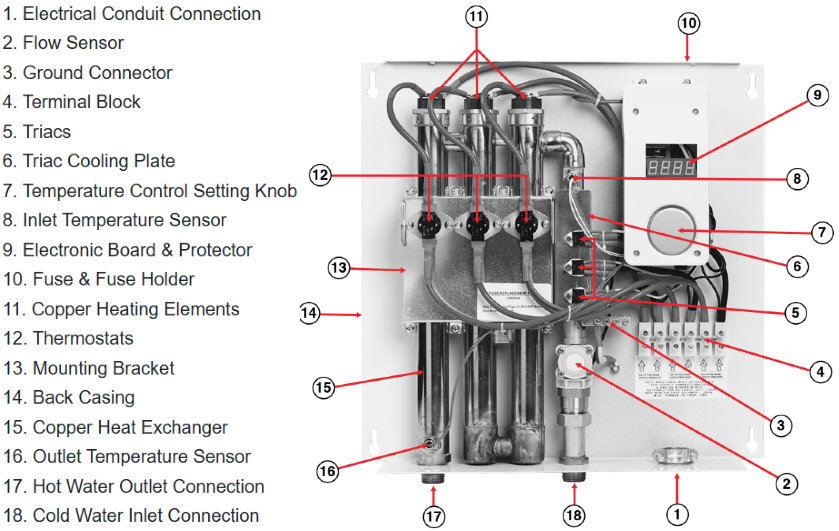
Credit: www.neslihandolar.com
Credit: master-sport.sk
Frequently Asked Questions
What Are Common Richmond Gas Water Heater Problems?
Common issues include no hot water, strange noises, leaks, and pilot light failure.
How Do I Reset My Richmond Gas Water Heater?
Locate the reset button on the thermostat and press it firmly for a few seconds.
Why Is My Richmond Water Heater Pilot Light Not Staying Lit?
The thermocouple may be dirty or faulty, blocking gas flow to the pilot light.
How Can I Fix Low Water Temperature On Richmond Heaters?
Adjust the thermostat to a higher temperature or check for sediment buildup inside the tank.
What Causes Strange Noises In Richmond Gas Water Heaters?
Sediment buildup at the tank bottom often causes popping or rumbling sounds during heating.
How Do I Stop Leaks From My Richmond Gas Water Heater?
Check and tighten plumbing connections; if leaks persist, the tank might need professional inspection.
Why Does My Richmond Water Heater Smell Like Gas?
A gas smell indicates a possible leak; shut off gas supply and call a professional immediately.
How Often Should I Flush My Richmond Gas Water Heater?
Flush the tank once a year to remove sediment and improve heating efficiency.
What Is The Lifespan Of A Richmond Gas Water Heater?
Typically, Richmond water heaters last 8 to 12 years with proper maintenance.
Can I Replace The Thermostat On My Richmond Water Heater Myself?
Yes, but only if you have basic electrical skills; otherwise, hire a professional for safety.
Conclusion
Troubleshooting your Richmond gas water heater can save time and money. Simple steps often fix common problems quickly. Always check the pilot light, thermostat, and gas supply first. Regular care helps keep the heater working well. When problems persist, contact a professional for safety.
Understanding basic issues makes your home more comfortable. Stay calm and follow easy checks before calling for help. Your water heater can run smoothly with a little attention. Keep these tips handy for future reference and peace of mind.